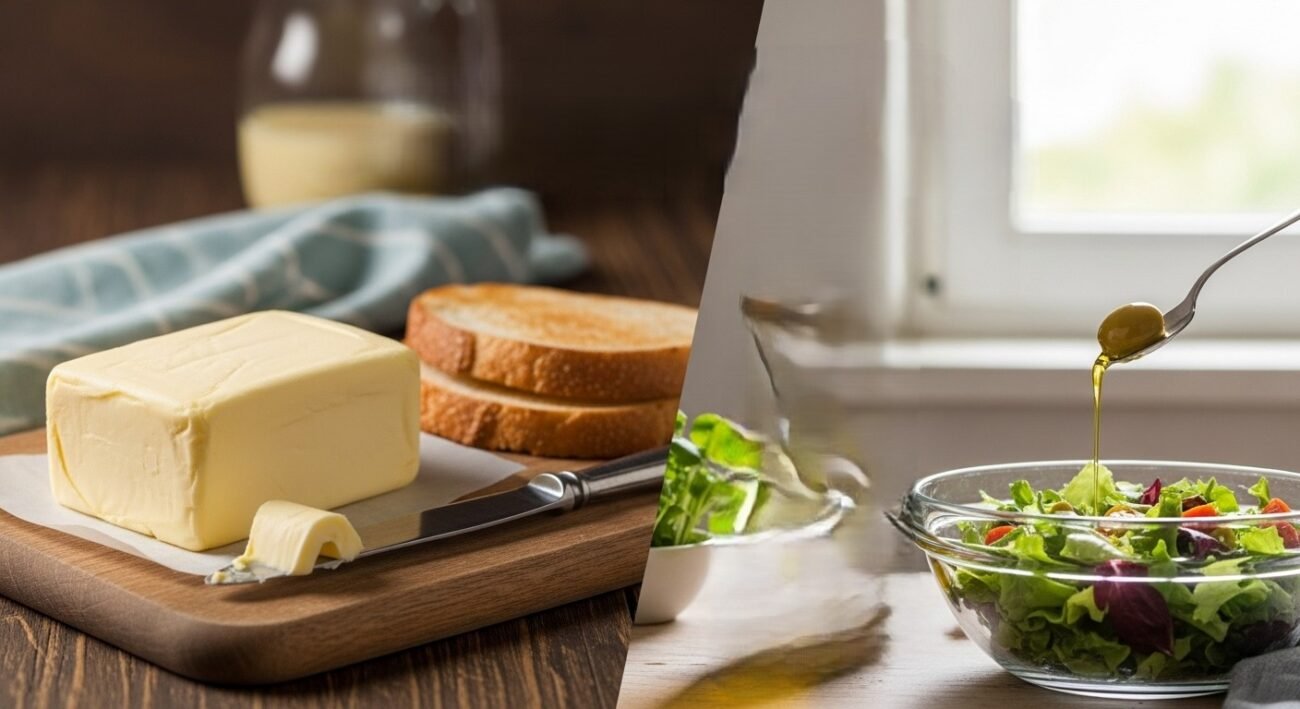
Picking between butter or oil is a bit of a toss up when you are just trying to get dinner on the table. Both have been around forever and they give your food different flavors and vitamins too. If you learn how they work it helps you pick what is best for your cooking style and your family. It is just about balance.
The Basics Of Butter
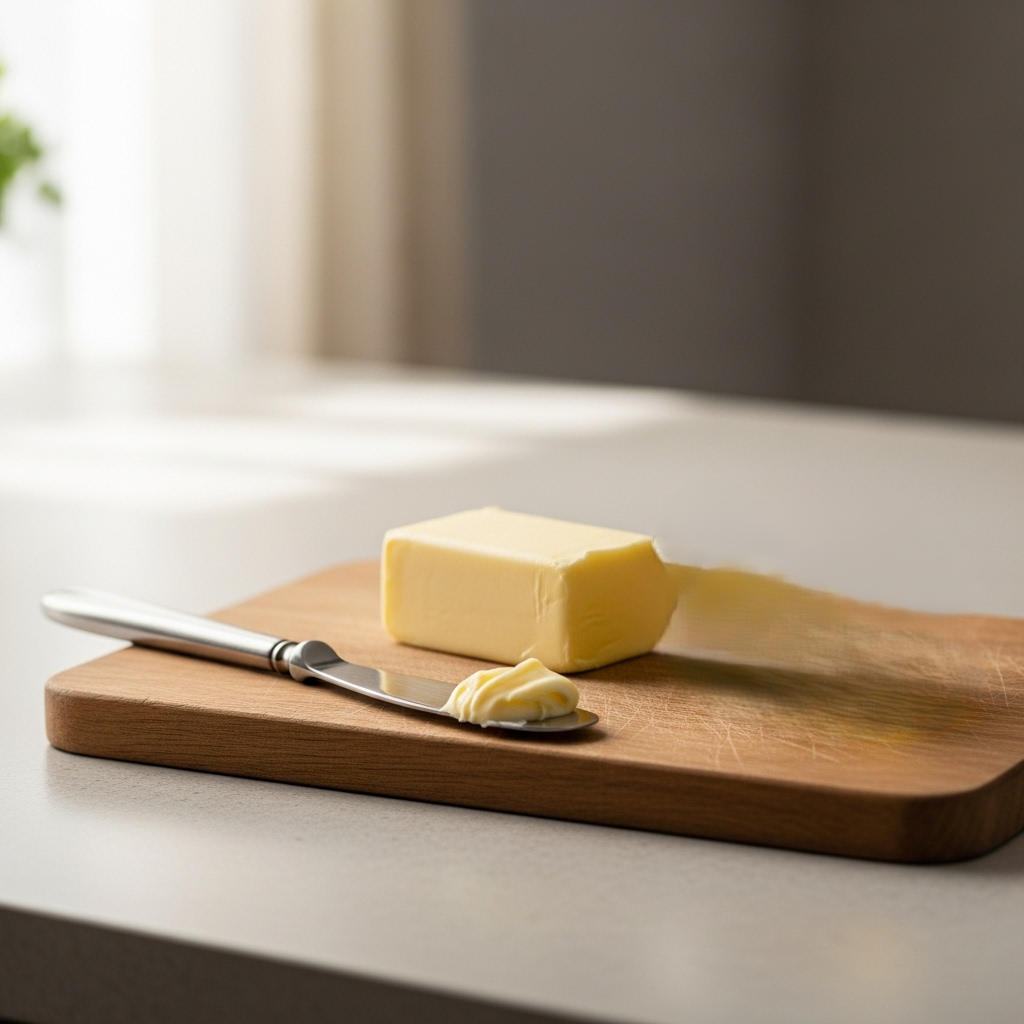
Butter is made from animal fat and it stays solid on your counter. It has a high amount of specific fats that keep it firm. Families have used it for years and years. It makes your meals taste much richer and very smooth when you cook.
Understanding Cooking Oils
Oils from plants or seeds are liquid fats that usually have unsaturated fats in them. Because they are liquid they work for many different types of cooking. You can use them to fry food or mix into a salad. They are a common choice for many.
Smoke Points Matter
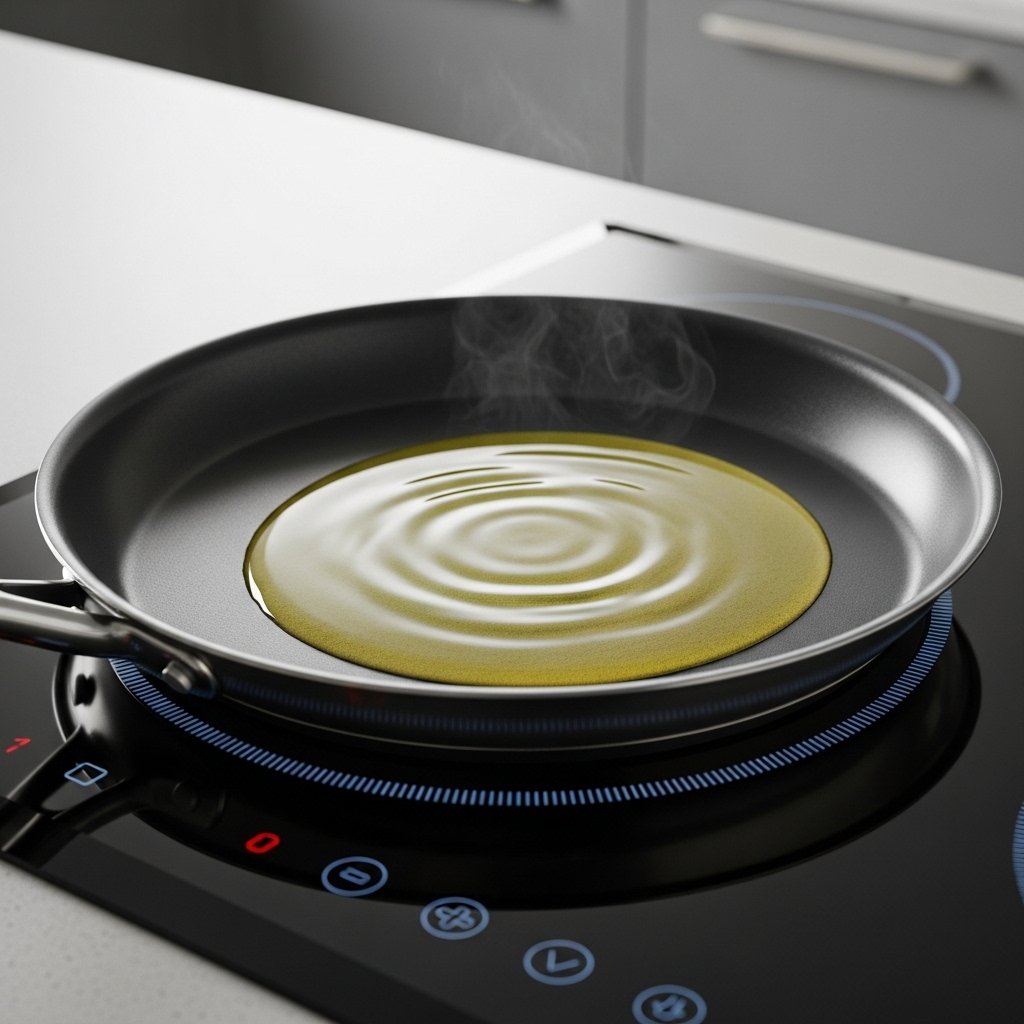
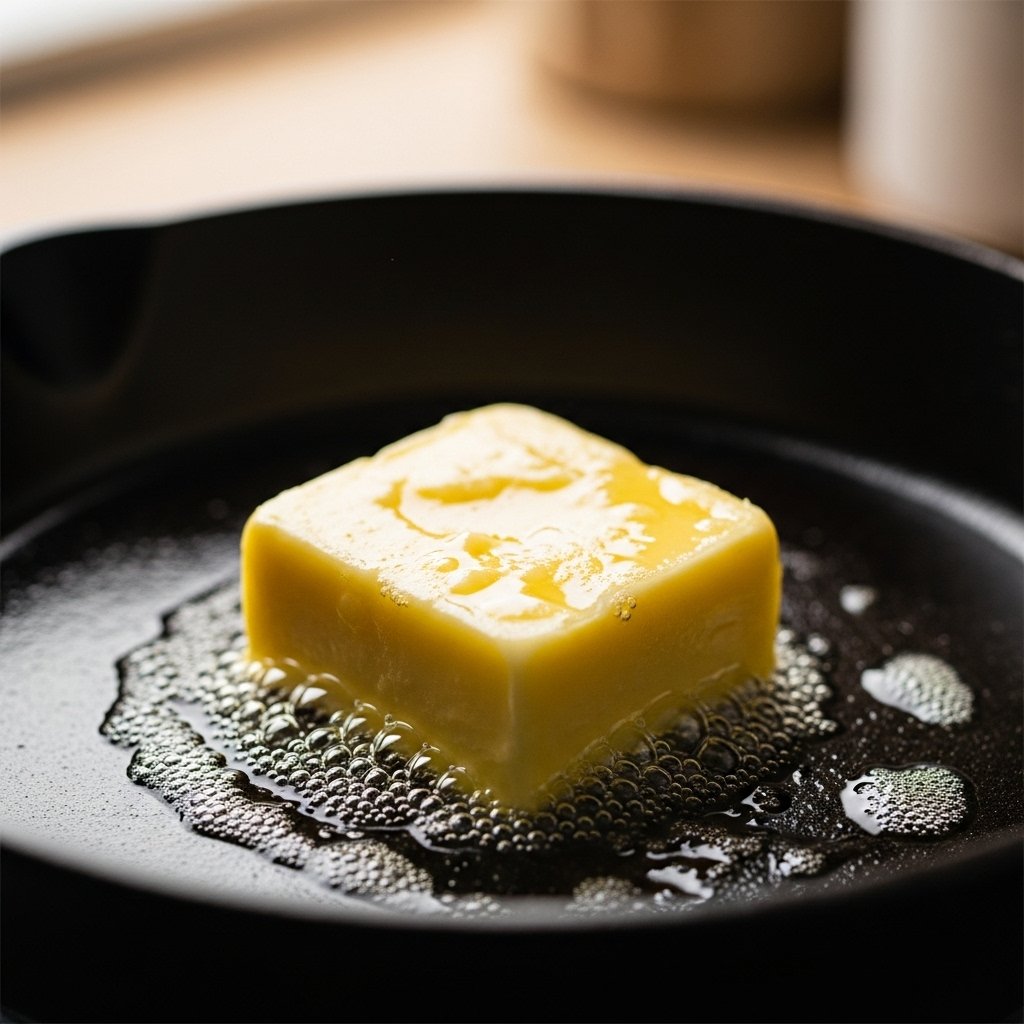
Every fat has a temperature where it starts to smoke and break down which can change the taste of your food. Butter burns pretty quickly at high heat while some oils like avocado oil can handle much hotter pans without any trouble.
Saturated Versus Unsaturated
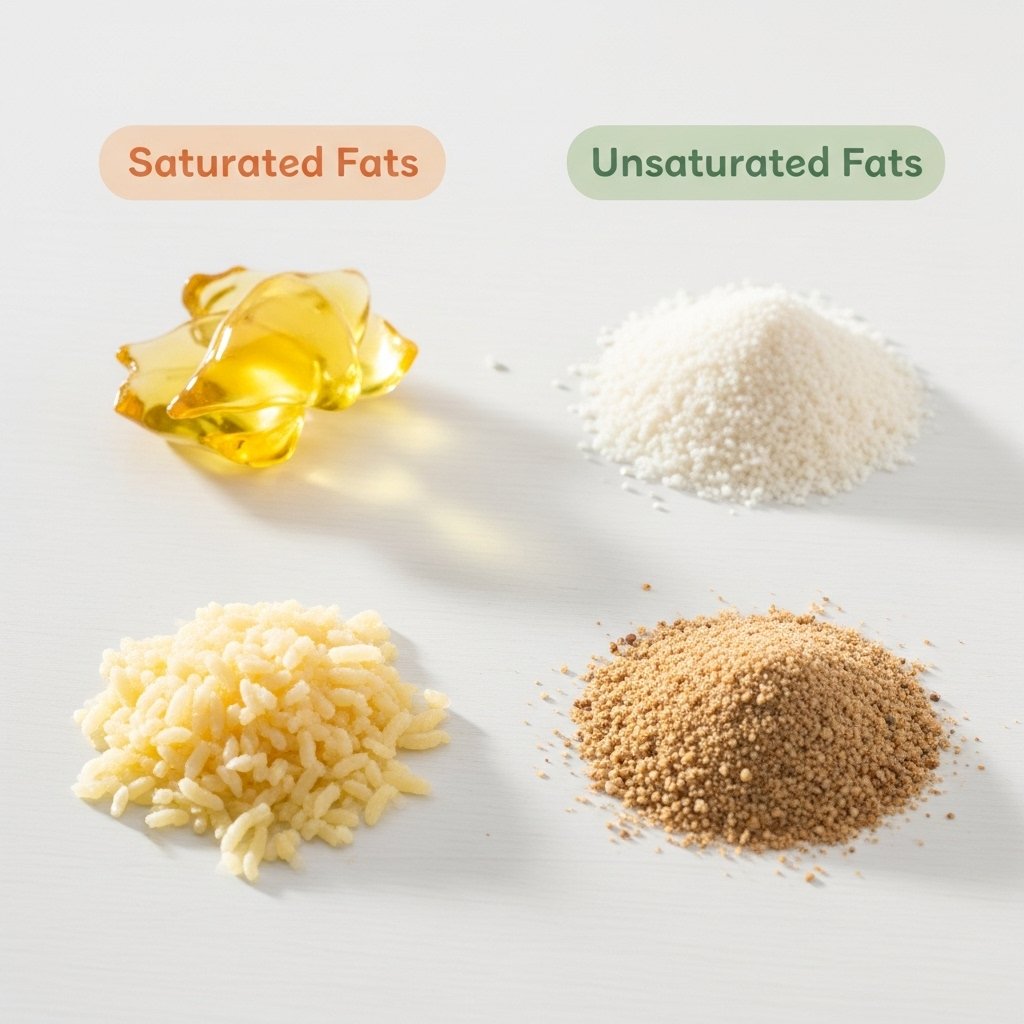
The main difference between these two is the type of fat they carry into your body during a meal. Saturated fats in butter are often discussed by doctors while the unsaturated fats in oils are generally seen as a different kind of energy source. [Image showing a comparison chart of fat types in butter and olive oil]
Flavor Profiles Compared
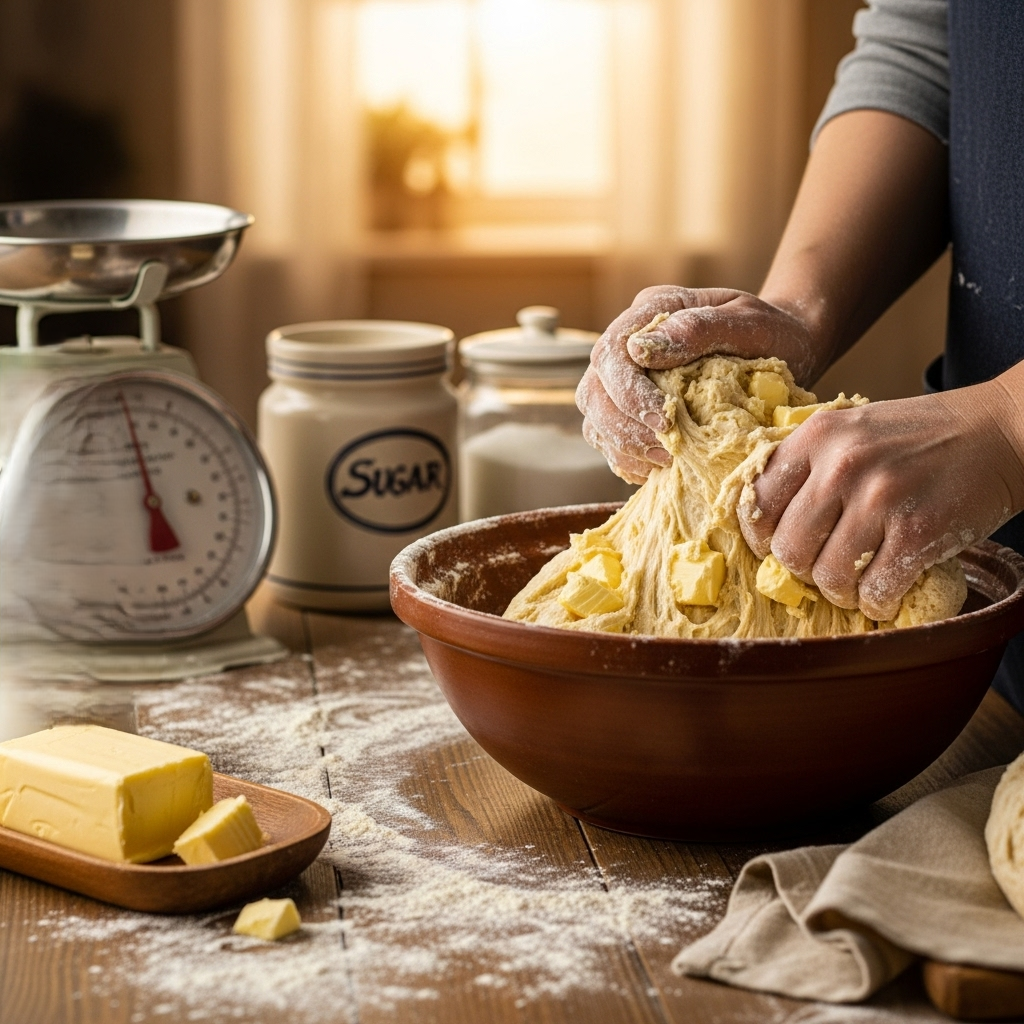
Butter brings a rich creamy taste that makes cookies and steak feel special. It adds a deep savory touch to your favorite comfort foods. This fat is often a top pick for baking treats because of its unique and heavy profile.
Heart Health Perspectives
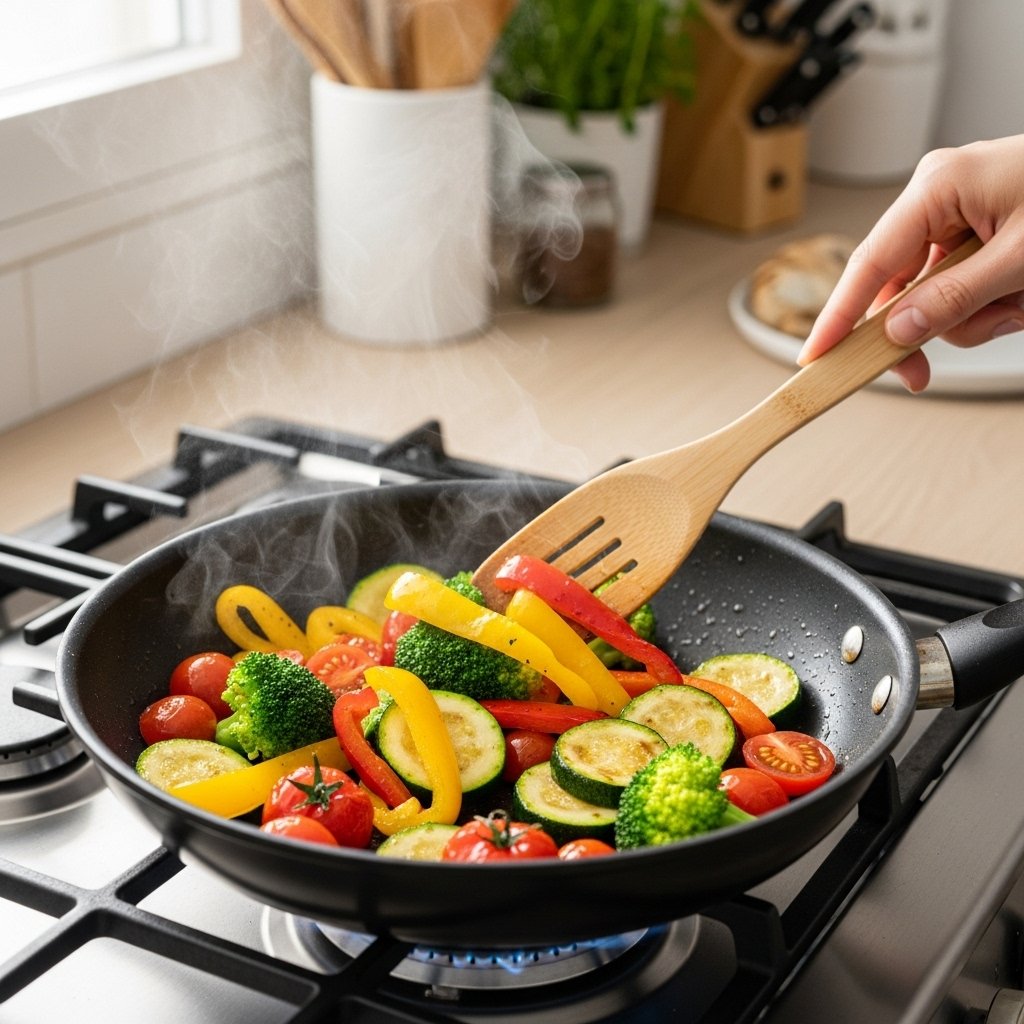
Choosing the right fat can feel a bit confusing sometimes. Experts often say that plant oils are a gentle choice for your heart. You could swap out butter for liquid oil when you can. This may help keep your body feeling good and working well.
Processing And Purity
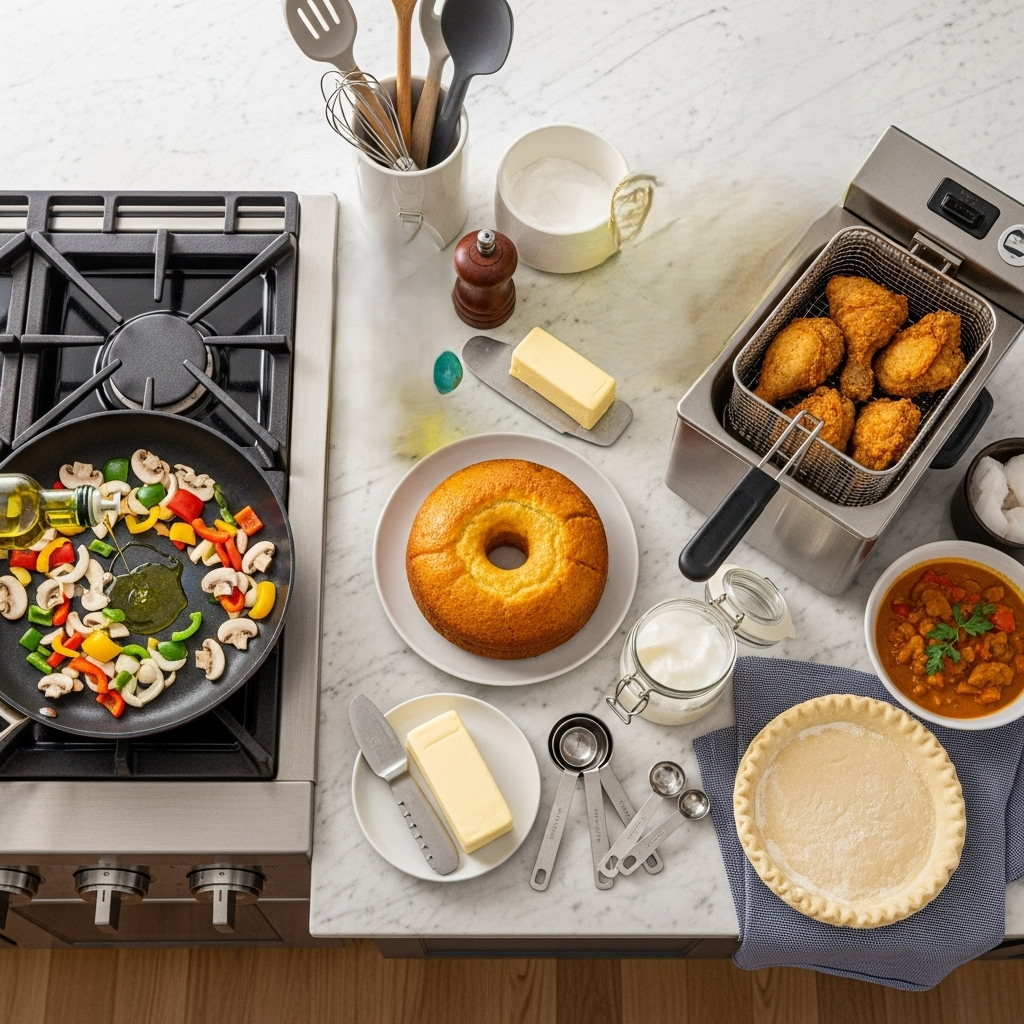
Butter is pretty basic because it usually just has cream and salt inside. Some oils are made in big factories with more steps to keep them clear. You should probably look at the label to see what is in the bottle before you buy it.
Vitamin Content Differences
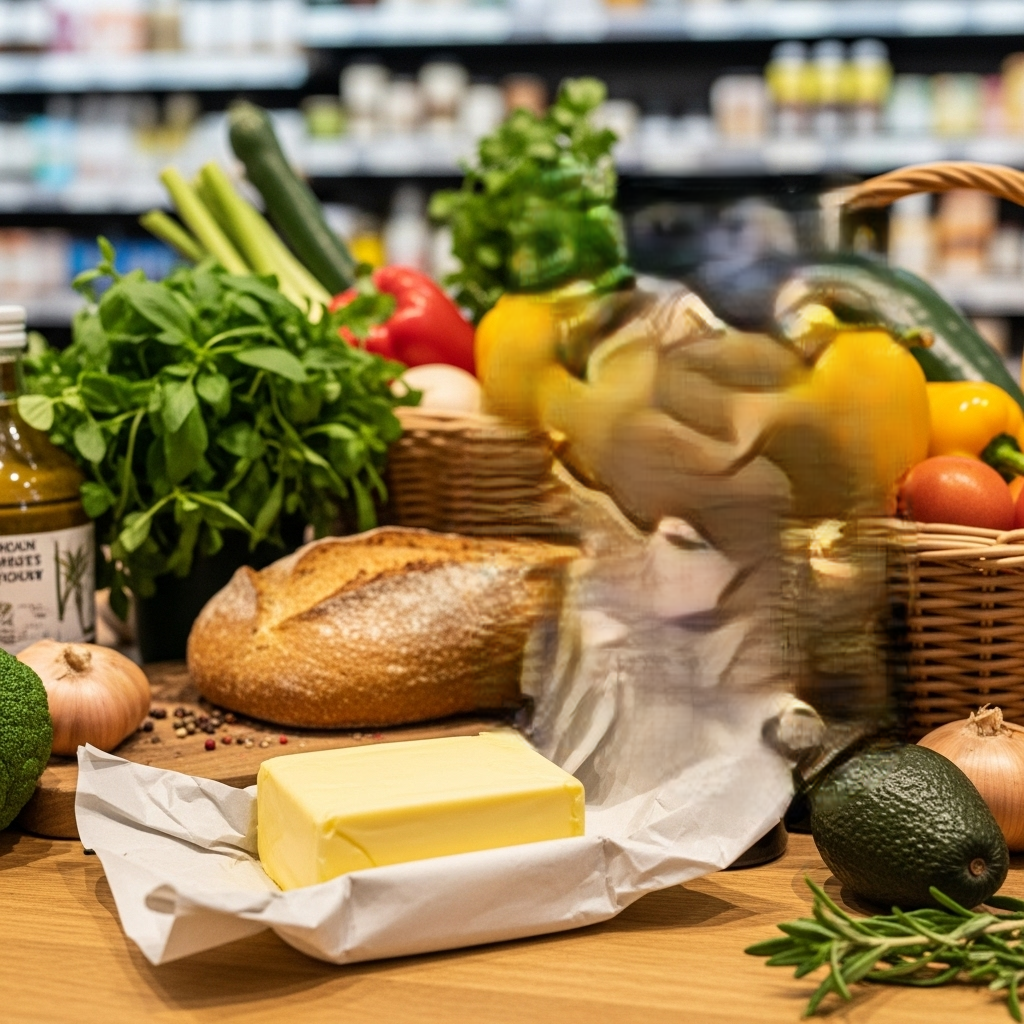
Oils from plants often carry high amounts of Vitamin E and antioxidants. These components might help your body as the years go by. They are light and work well for many types of meals. Many find them very easy to digest.
Cooking For Others

Cooking for a group means you should check if anyone has trouble with milk products. Since butter can cause some people pain it might be better to skip it. Using oil often works well so that every person at the table can eat the same thing safely.
Balance In The Kitchen
There is no need to choose only one for your kitchen. Both might have a place in your daily meals. Using small amounts depending on the dish is a smart move. You can enjoy your favorite flavors while looking after your personal health.
