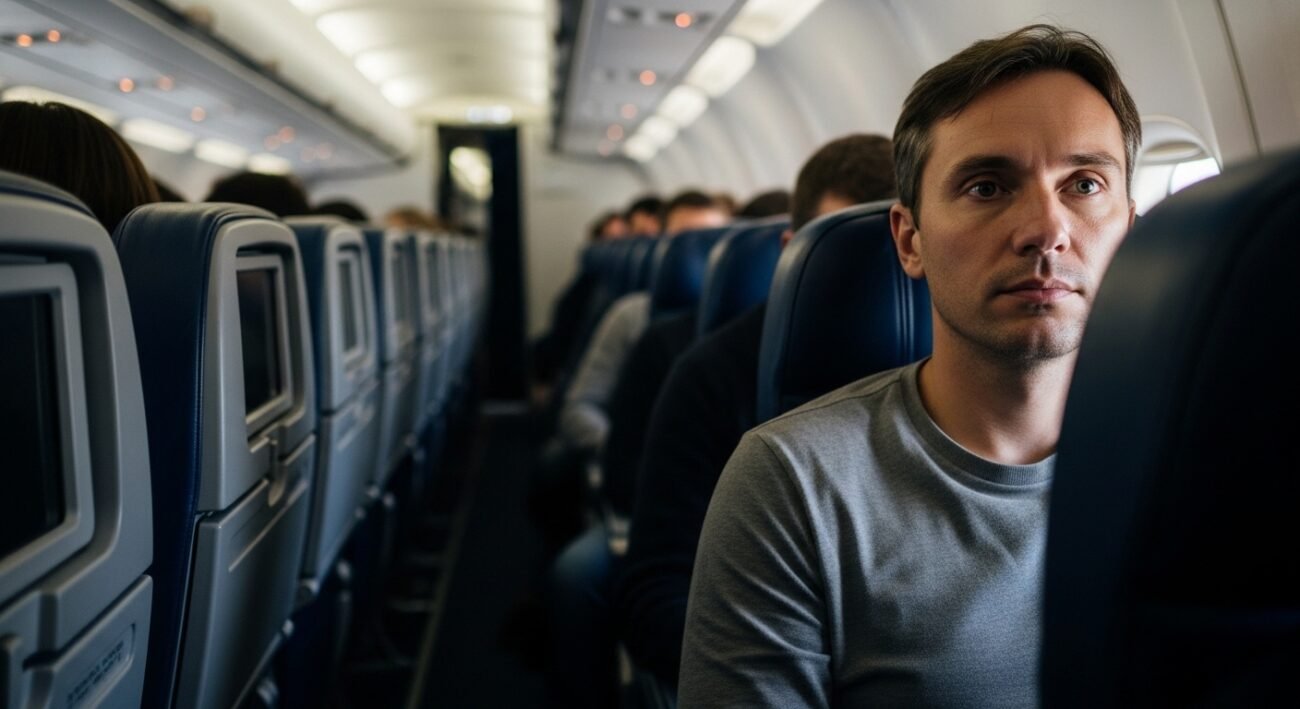
Air travel security also has levels that most passengers will not be aware of and one of them is the federal air marshals. Such plainclothes officers are trained to deal with serious threats on-board, and their presence is low profile. The films cause them to appear readily recognizable, but in actuality they merge with ordinary commuters. Not all flights carry one on board, and when one is carried, airlines never inform anybody. Though passengers occasionally guess who is an air marshal, their identity is maintained in secret due to security reasons. Learning the mechanics of the program can contribute to busting myths, reducing curiosity, and understanding why their position is largely unknown.
They dress like ordinary passengers
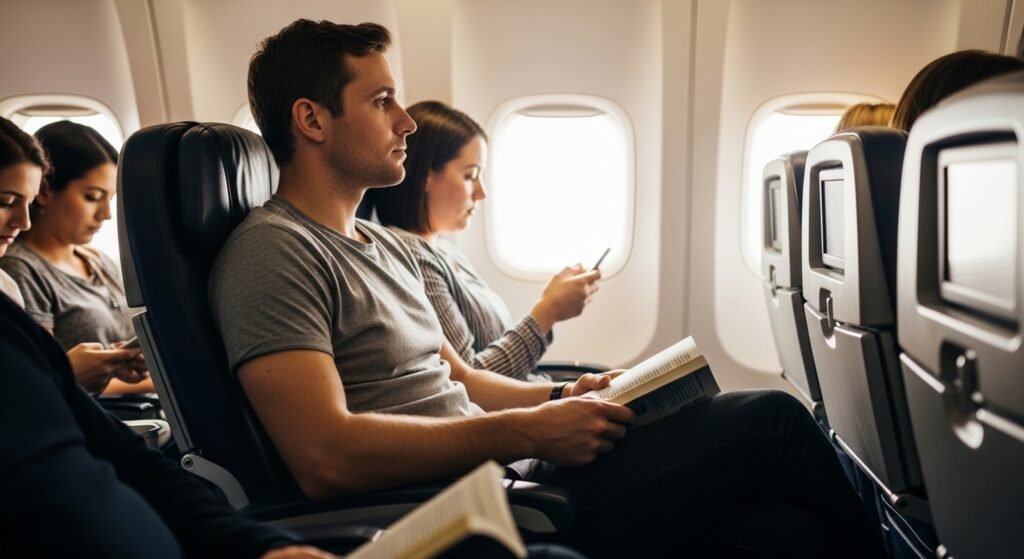
Air marshals do not have uniforms and conspicuous equipment. They dress like ordinary travelers on that route, be it business casual or relaxed wear. It is to fit in rather than to shine. What people wear varies according to the type of flight and the location and therefore how they look is not a sure way of determining them.
They Do not want to attract attention
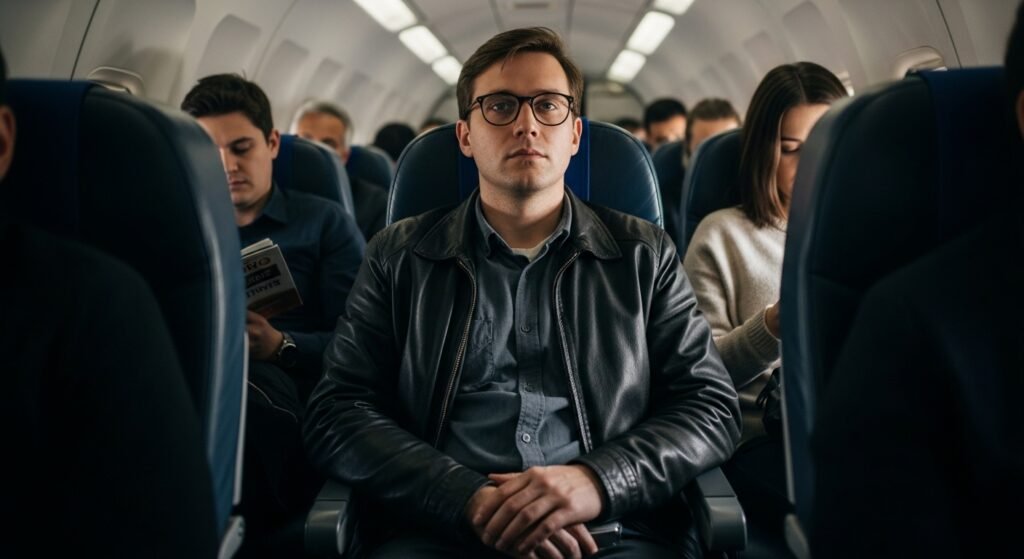
Discretion is key. Air marshals normally act as normal passengers which means they do not talk loudly or act in an obvious manner. They retain movements as natural and low key. The training they get is based on observation without being indicative of authority.
They May Not Sit Together
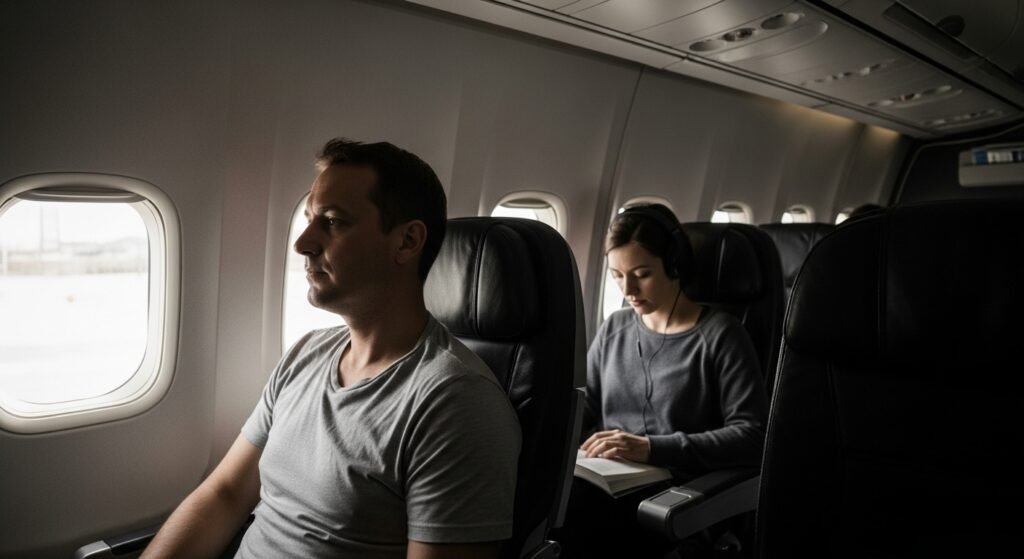
In case there are several marshals onboard, they tend to sit separately. This enables covering the cabin well and it does not pair. The placement of the seats may depend on security arrangements.
They Board Strategically
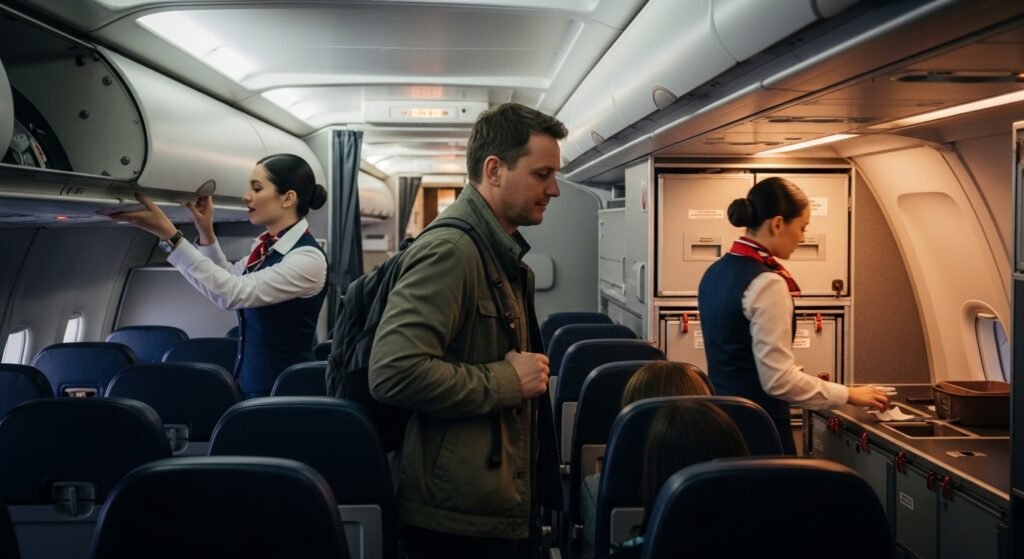
Other passengers may not have the same boarding timing. There are those that board early and there are those that board later based on the coordination requirements. Nonetheless, there are numerous tourists who board at other times as well and thus this does not prove anything.
They Harbor Specialized Training
Air marshals undergo a lot of law enforcement and aviation security training. Their training is aimed at responding to threats in aircraft compartments. They are also experienced in observation, de-escalation and emergency response. Appearance is not as important as training.
They Travel on Selected Flights
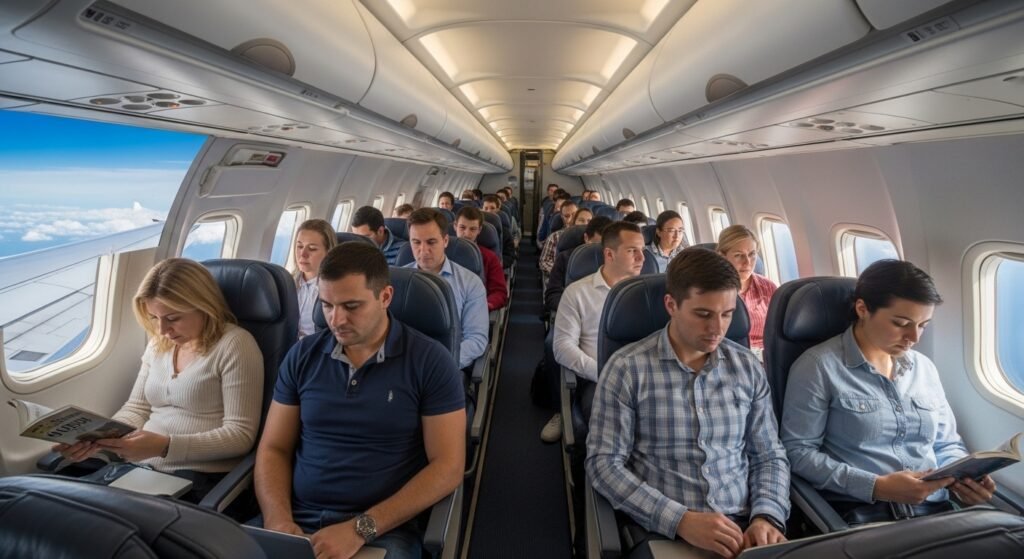
All flights do not contain air marshals. Intelligence, routes and risk assessment are all vital to deployments. Coverage varies daily. The program targets areas where there is need.
They do not lose their temper when stressed
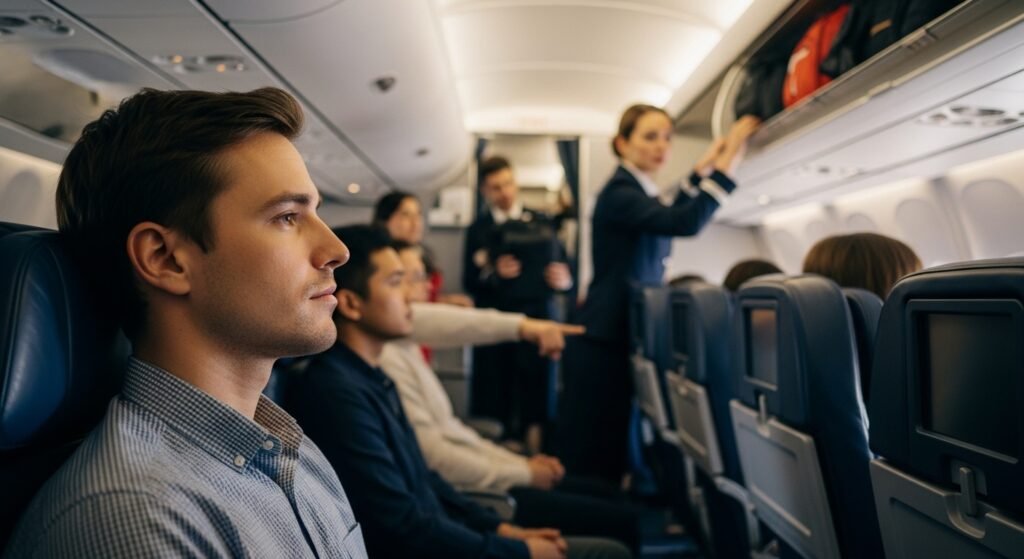
It is the job to be calm in stressful circumstances. Being calm allows one to control an incident without panics. Professionalism facilitates safety.
They Coordinate Quietly
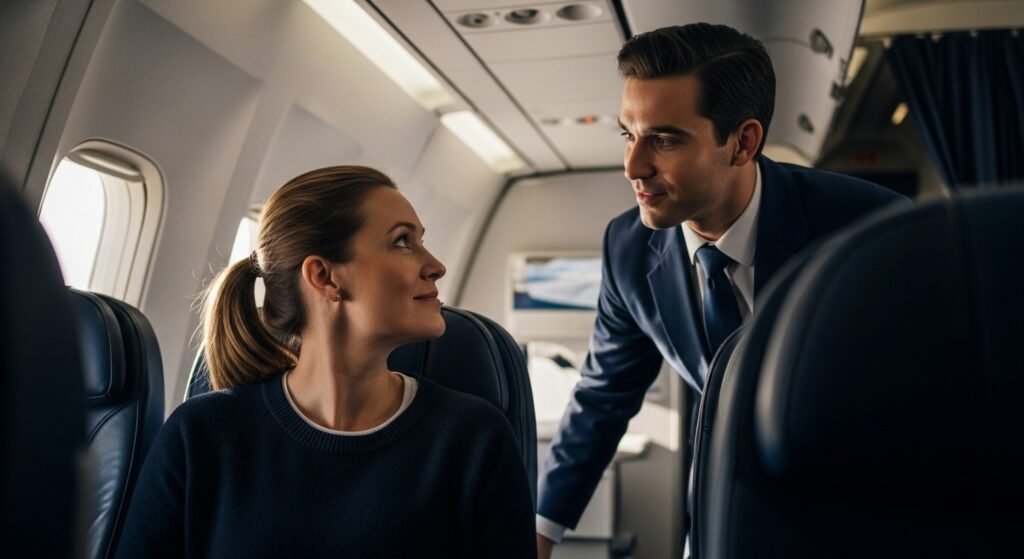
Air marshals in their communication are discreet with the crew. The coordination occurs without any notice. Cabin crew can also be aware, but passengers are normally not.
They Pay Attention to Action and not Appearance
Detection of threats is based on behaviour patterns and not stereotypes. Training is action and circumstantially conscious. This makes it less biased and more effective.
They do not make themselves easily known
There is low disclosure of identity and this is mainly in cases of emergency. Being anonymous guarantees their safety as well as other passengers. Secretiveness is helpful towards a general mission success.
Their company is repulsive
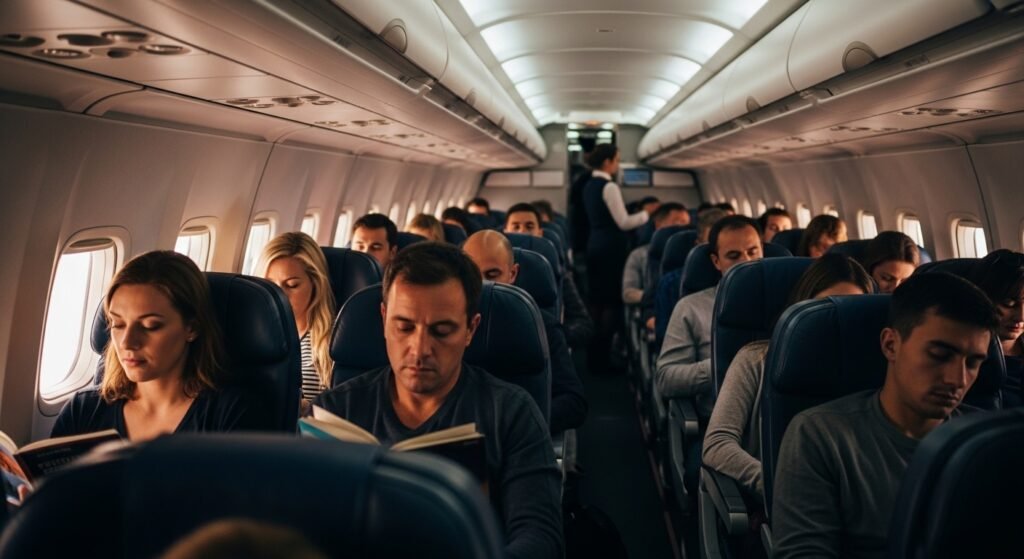
The prospect of air marshals is an extra security even though invisible. The threat is discouraged by the uncertainty itself. They are more preventative rather than reactive.
