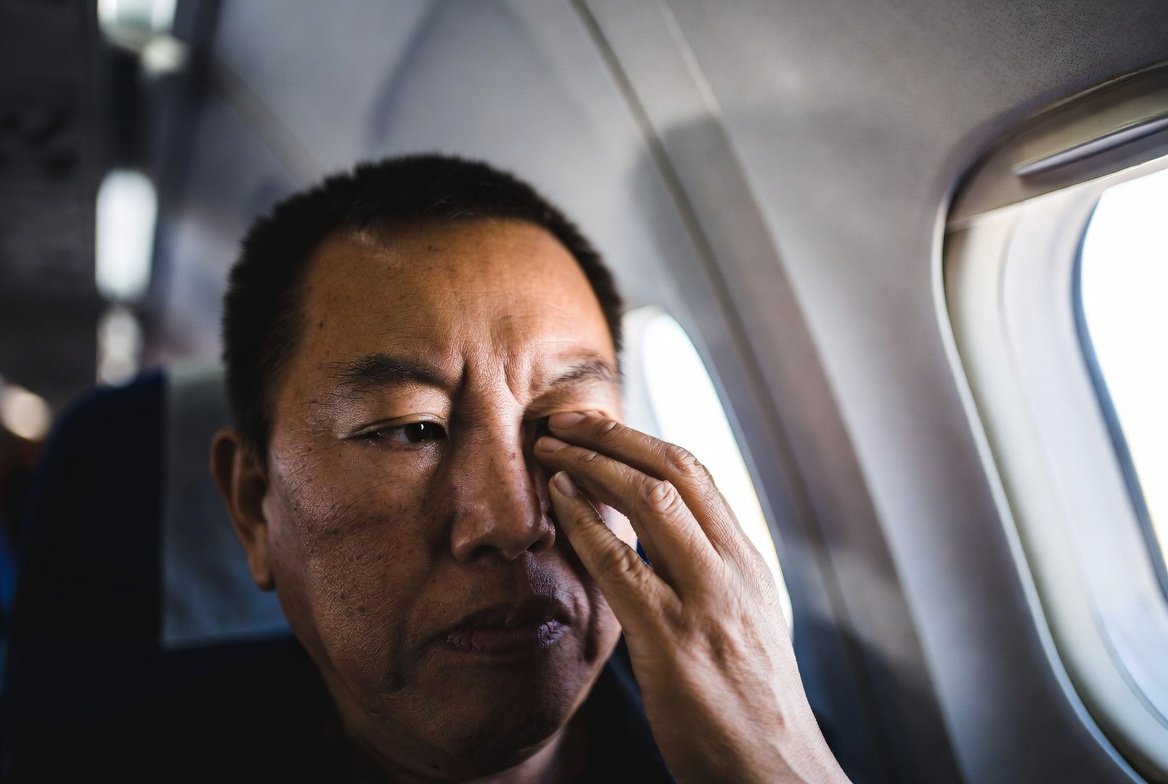
Air travel fails to leave people feeling refreshed, and once they have arrived at their destination, they see themselves awkward in some small aspects especially with the eye dryness. All of these factors can result in your eyes losing the natural balance of moisture that they are used to due to conditions in the cabin air, time you spend at the screen, and fatigue related to traveling. The majority of the passengers mistake the dirtiness, hotness, or exhaustion by feeling as the normal exhaustion and are in fact dealing with an aircraft problem in the plane. Eyes are sensitive to changes in humidity and airflow, so, even the slight changes in the humidity and airflow can be noticed.
Cabin Air Is Extremely Dry
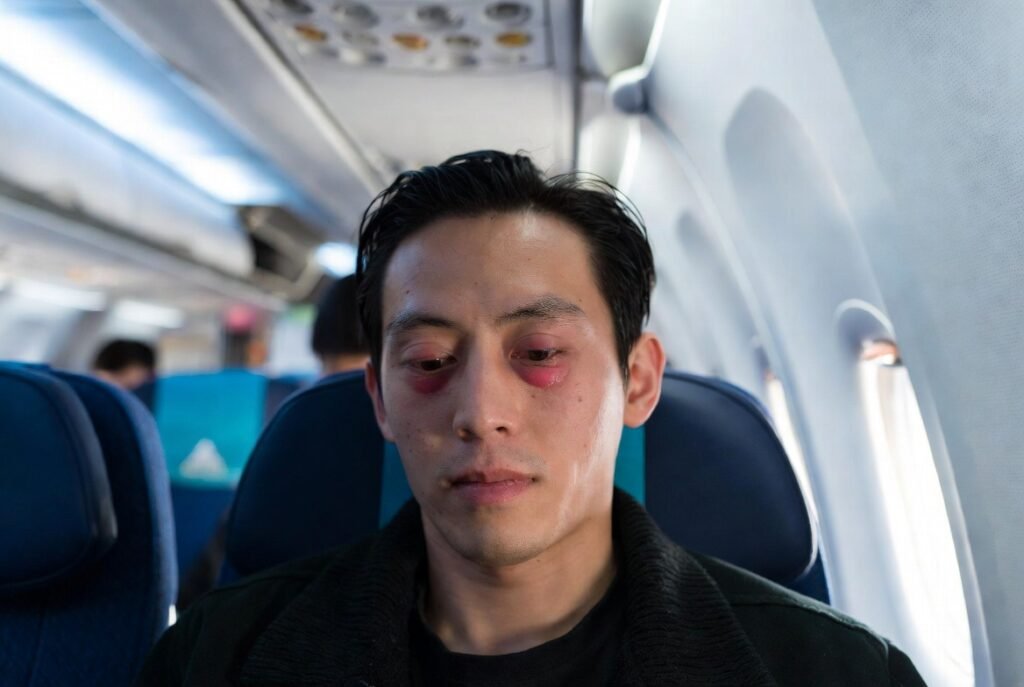
The humidity level in the cabin of aircrafts is very low and may be way lower than the level in indoor conditions. The outcome of this moisture-free air is that moisture is removed off the surface of the eyes resulting in the evaporation of tears without the possibility of being replaced.
Less Blinking on Travel
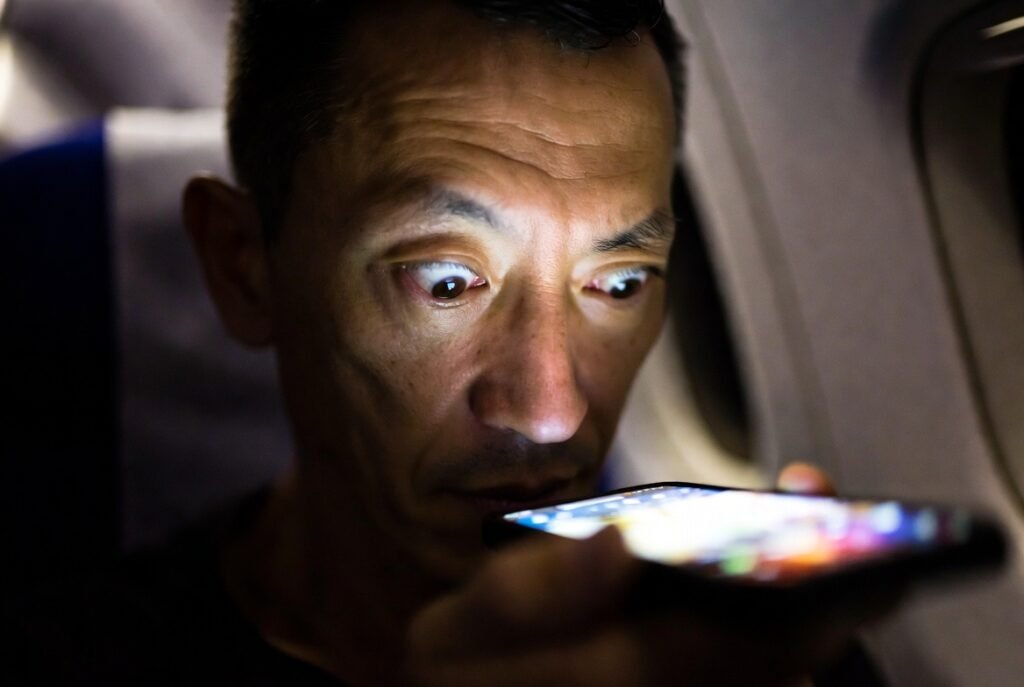
When air traveling people usually waste a lot of time watching movies, reading books or reading phones. Blinking is reduced by visual tasks that are concentrated in nature. Blinking uniformly pours the eyes and also keeps the eyes moist.
Air Vents contribute to Evaporation
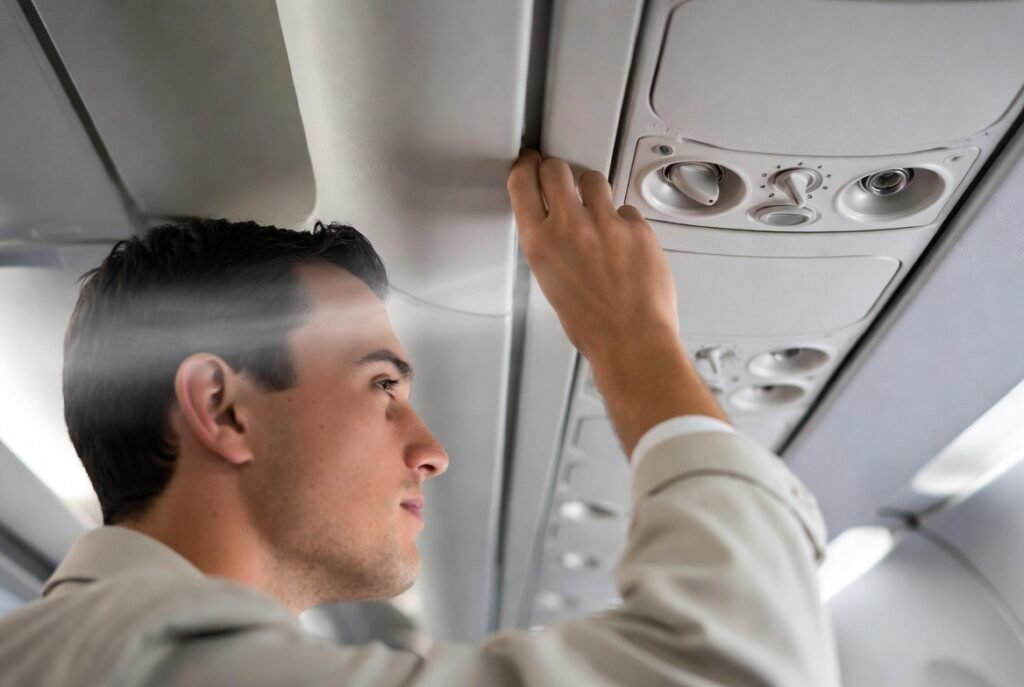
This air that moves when it flows to your face accelerates the rate at which tears evaporate. The direction of the vent is unfamiliar to most of the passengers until they begin feeling out of place.
Contact Lenses Infect disease
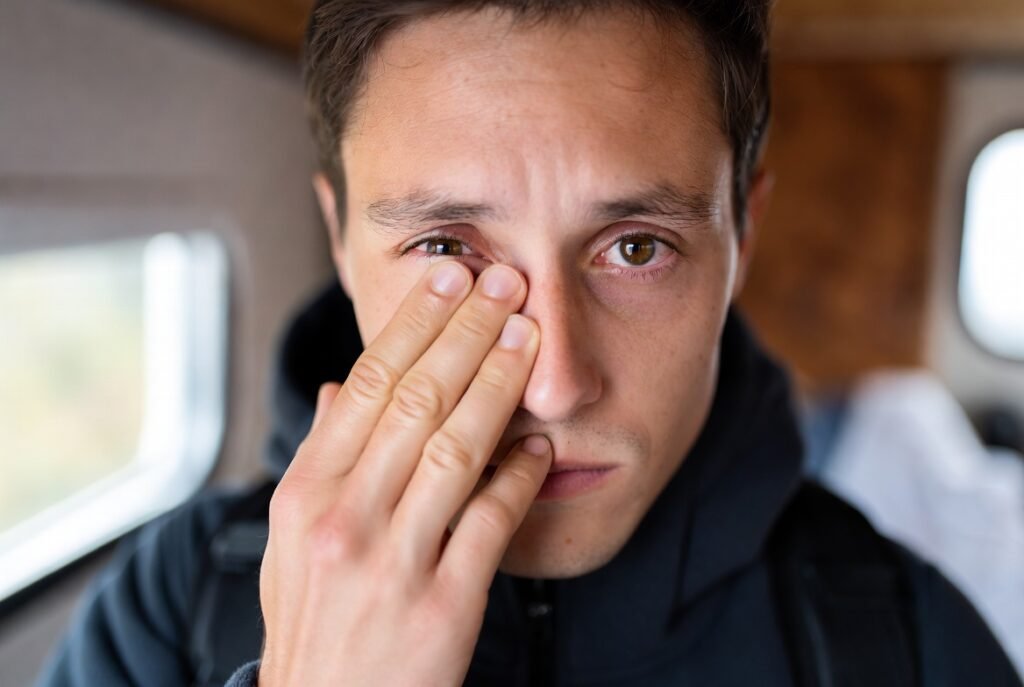
The contact lenses are fitted on the top of the eye and may get trapped or absorb water. Glasses that are worn in dry cabin air are sticky, uncomfortable or harder to put up with. The fewer tears the less flexible the lenses are.
Long Flights Strain Eyes

The eye muscles can be fatigued because they have been in a prolonged concentration without having a visual rest. Soon tired eyes can not restrain the constant stream of tears. Discomfort may also be caused by artificial cabin light.
Dehydration Plays a Role

Air travel is normally accompanied by slight dehydration in the form of dry air and consumption of minimal fluid. Dehydration of the body decreases the amount of tear. The body feels drier and this reflects on the absence of lubrication in the eyes.
Cabin Pressure Changes
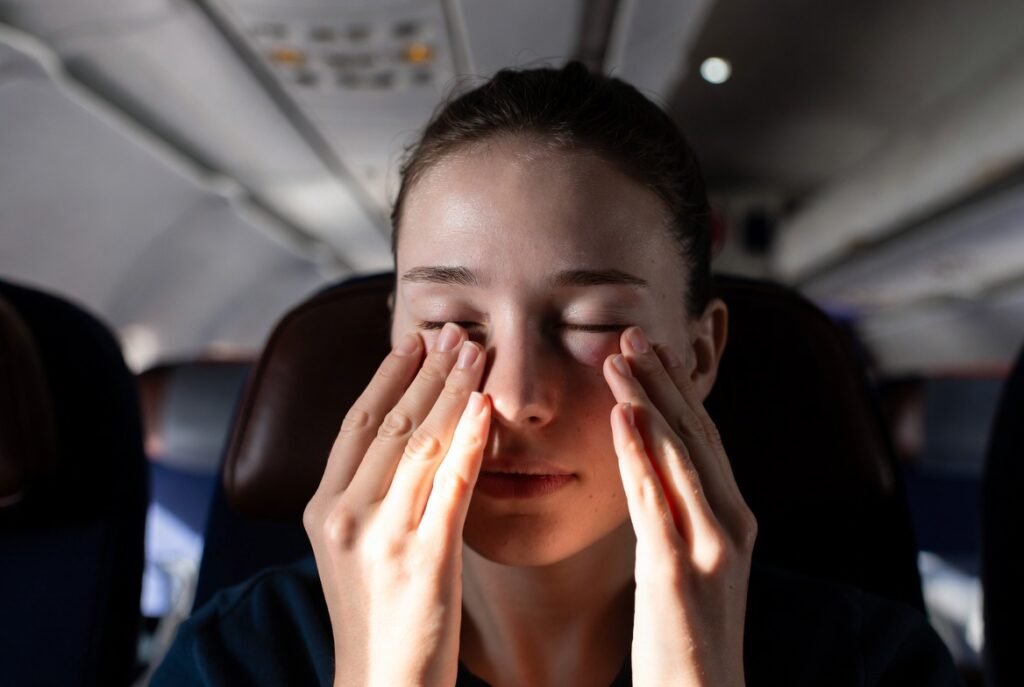
Fluid distribution may impact the body since the air pressure is low in airplanes. There are some minor effects of swelling or dryness in other passengers. They are not absolute, but may render one sensitive.
Sleep Deprivation as a Quality of Tears
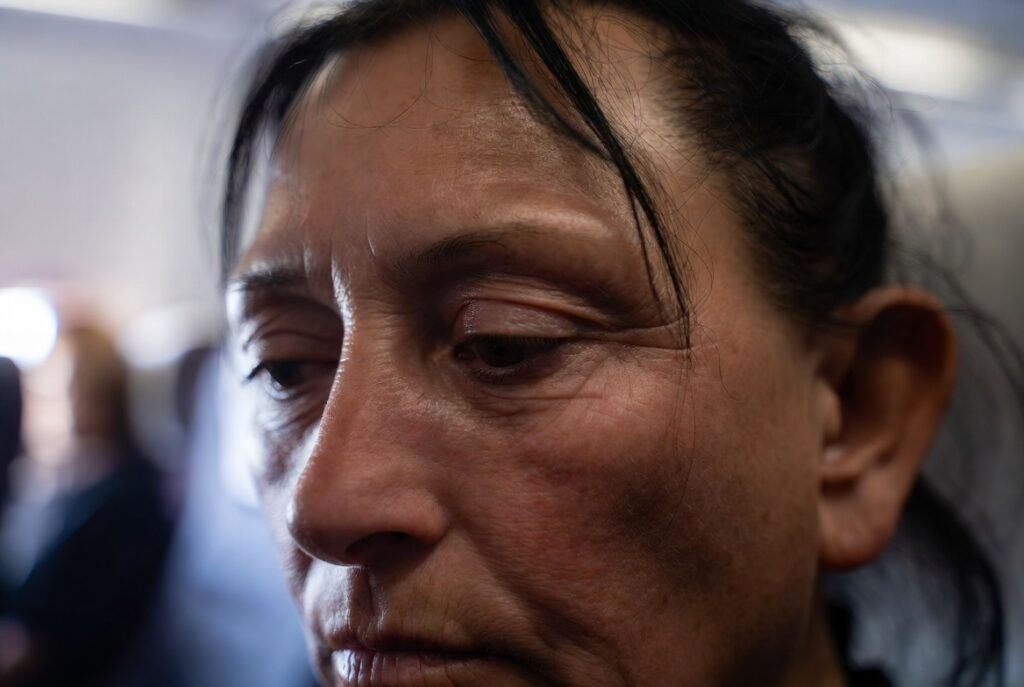
Travelling may disrupt the normal sleeping patterns. Fatigue reduces tear and eye restorative qualities. Sleep deprivation makes eyes very sensitive to dryness. Darkening and heaviness is often associated with irritation.
Makeup and Skin Products

Certain cosmetics can irritate the eyes especially during a non-humid weather. The particles may be flaked or swept into the eye part. This helps in the drought and dryness.
What Helps Reduce Dry Eyes

Eye drops may also be lubricated to help restore the moistness and save the irritation. Water is also helpful, as well as controlling screen breaks and vents. Strain is left by the use of glasses rather than contacts.
