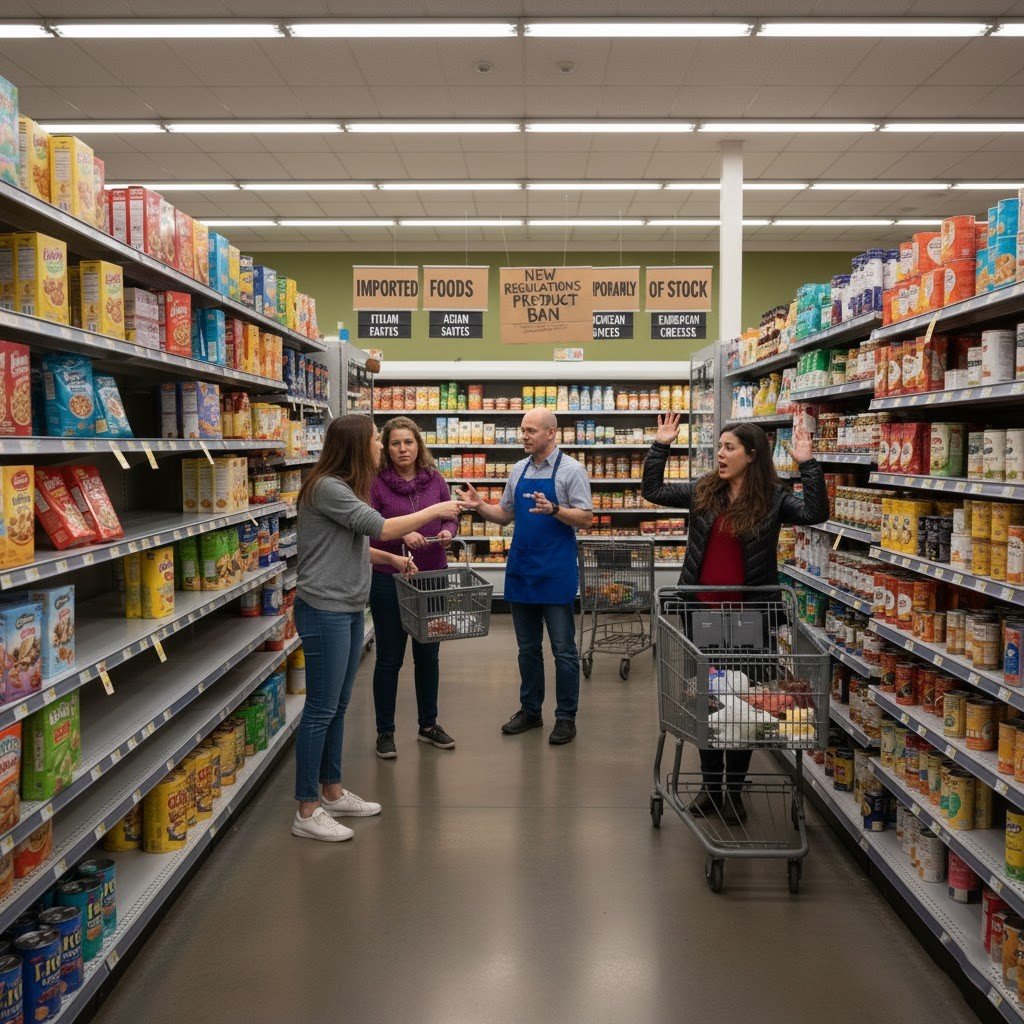
Grocery shopping has changed a lot this year, and not everyone is happy with the change. In different countries and areas, certain grocery products have been banned, limited, or just vanished from the shelves without giving much of an explanation because of new regulations, health issues, or changes in the policy. Even if these choices are meant to give advantages to the people in terms of health or safety, a great number of people are annoyed that they lose the freedom of making a choice or having convenience. This article is a simple way of understanding grocery store products that were banned this year and why many people got angry about it.
Energy drinks
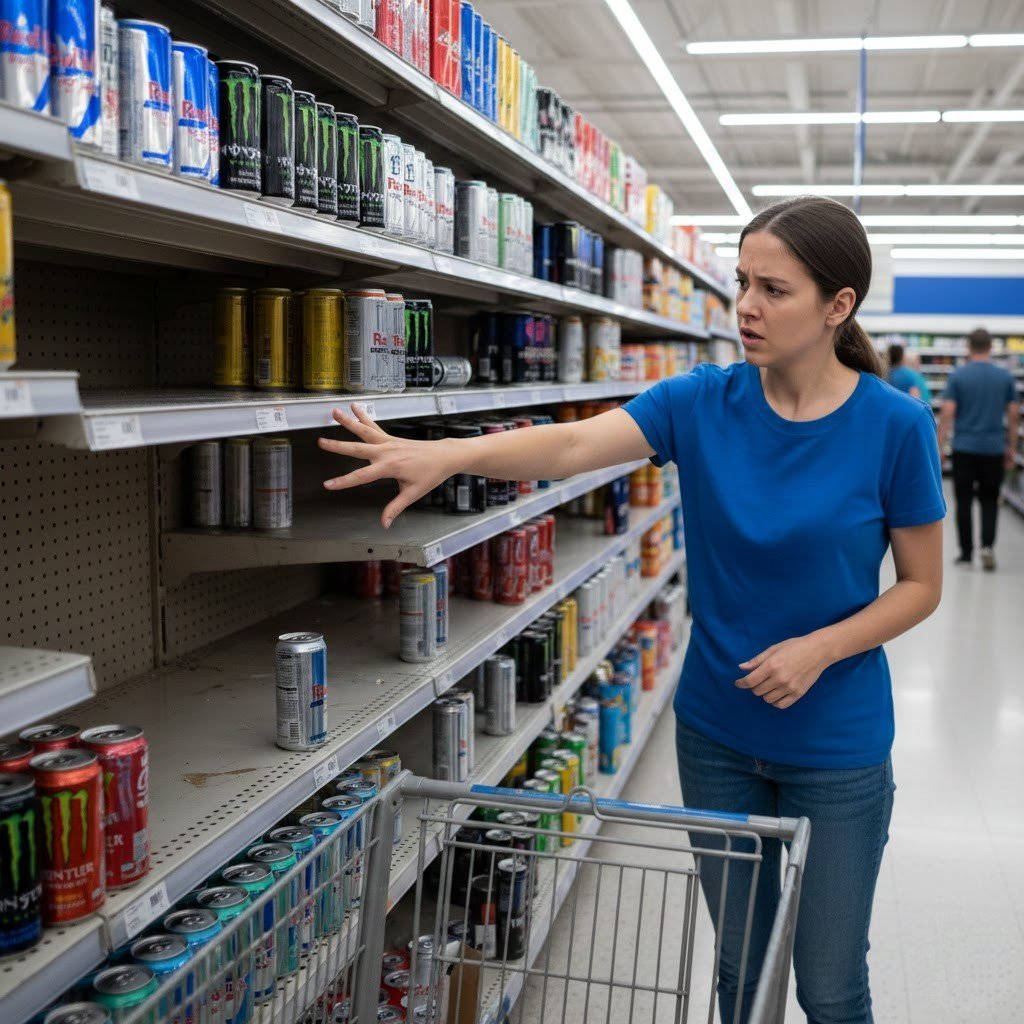
High caffeine and sugar levels restricted the use of energy drinks. According to the opinion of shoppers, adults must be left alone to make their own decisions regarding what they drink.
Processed desserts
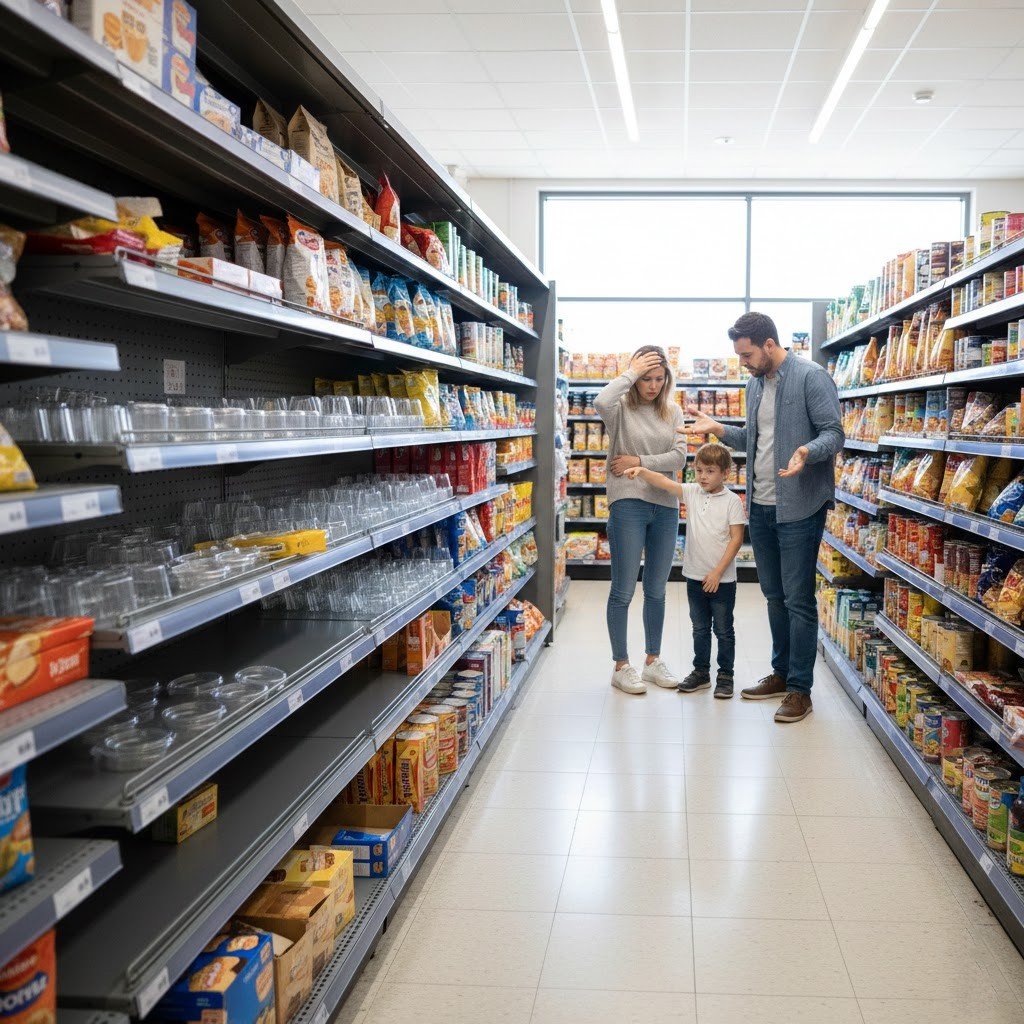
Approved grocery lists were taken off some of the prepared desserts. These regulations are perceived as excessive by the customers in terms of food preferences.
Tobacco products in grocery stores
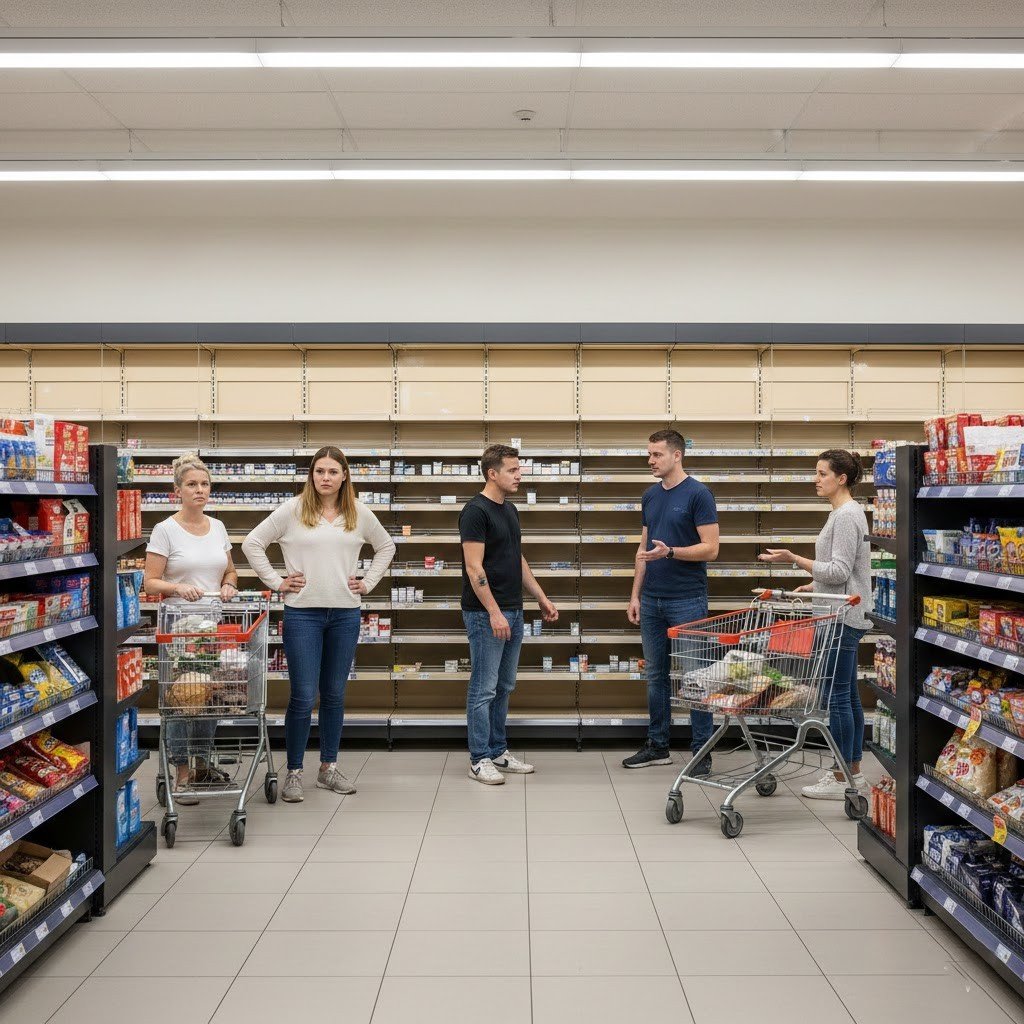
Some of the countries prohibited selling tobacco products in grocery outlets. Individuals are frustrated by the fact that it eliminates convenience, causing them to move to the specialty stores.
Fresh meat in small grocery stores
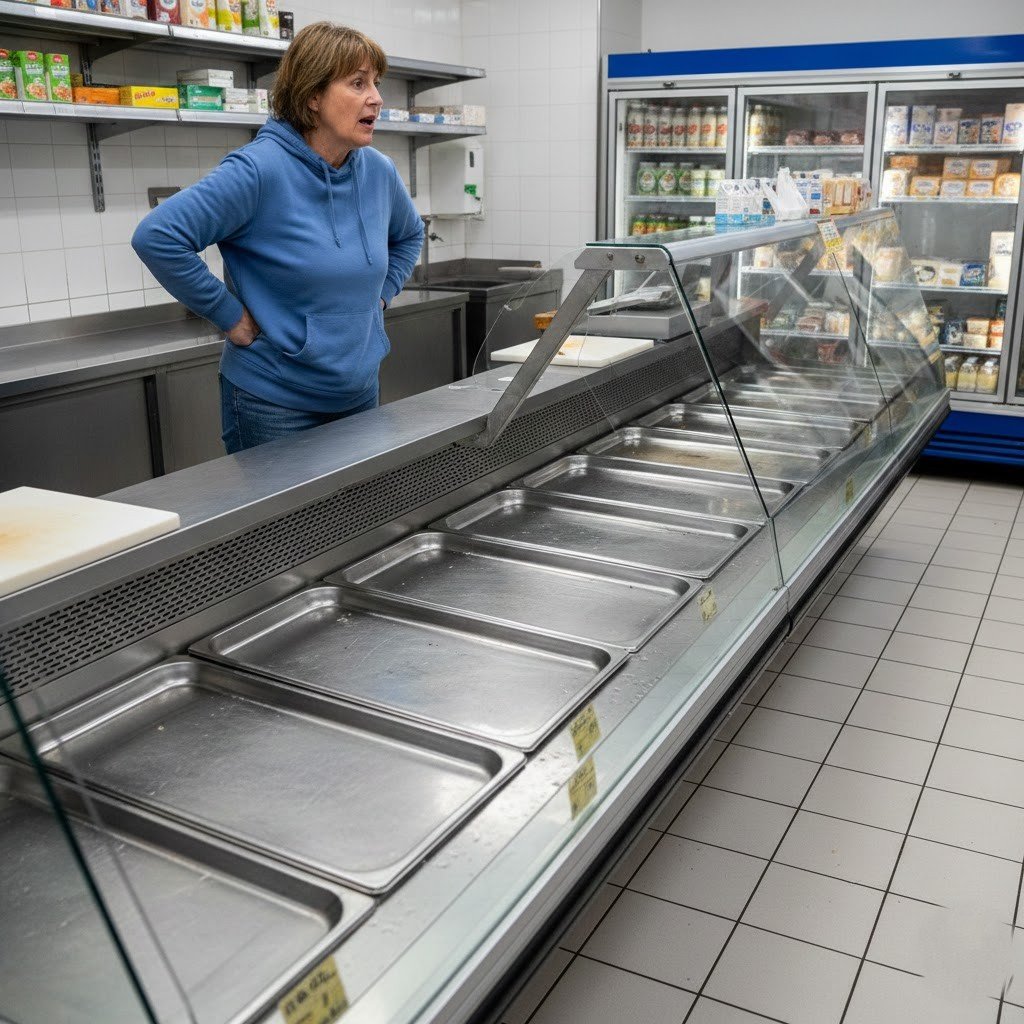
In certain locations, they have new regulations that only allow the sale of meat to larger supermarkets. This has angered the shoppers who were used to small neighborhood shops.
Dates and traditional foods

Even food with cultural significance, such as dates, was limited in certain small shops. This was a backlash since these are the things of everyday life.
Junk food restrictions
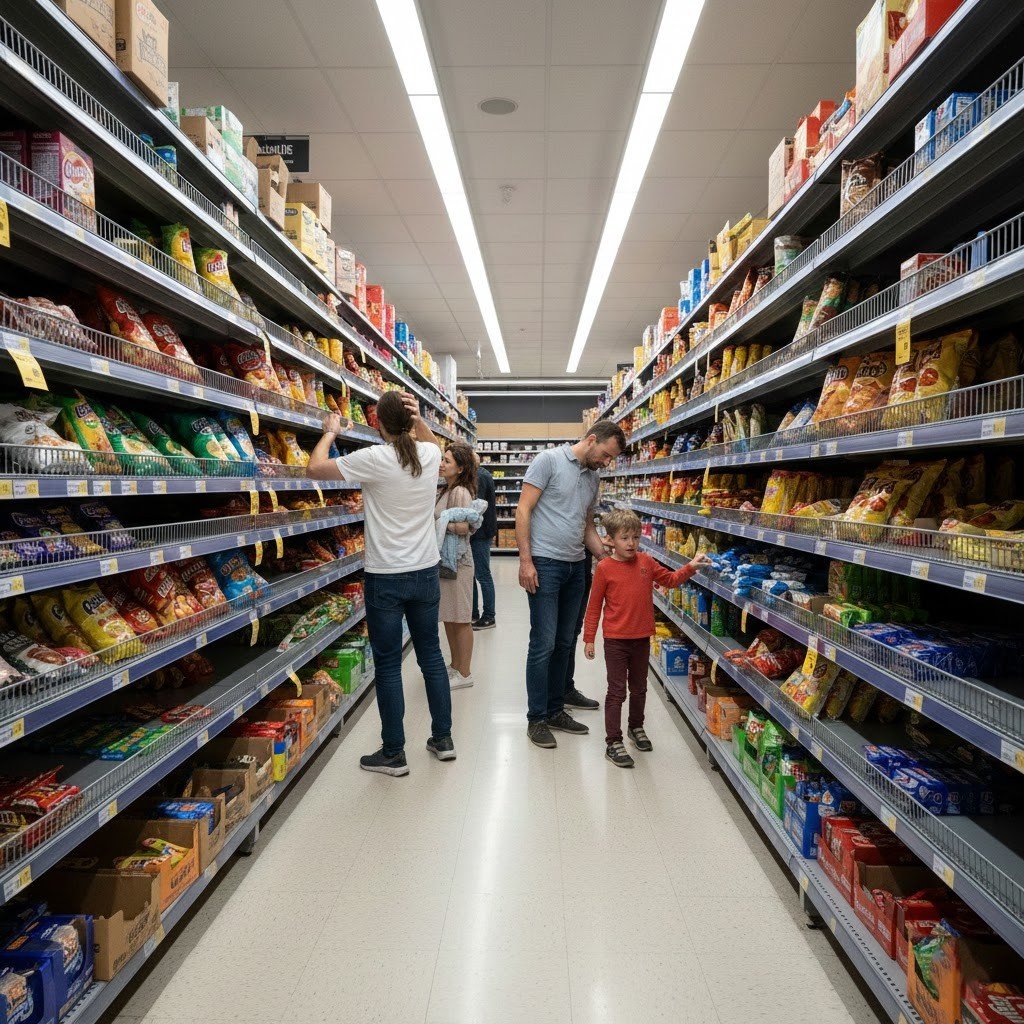
General prohibitions on snacks rich in sugar or fats were introduced. Critics state that the word is too imprecise and ambiguous.
Foam food containers
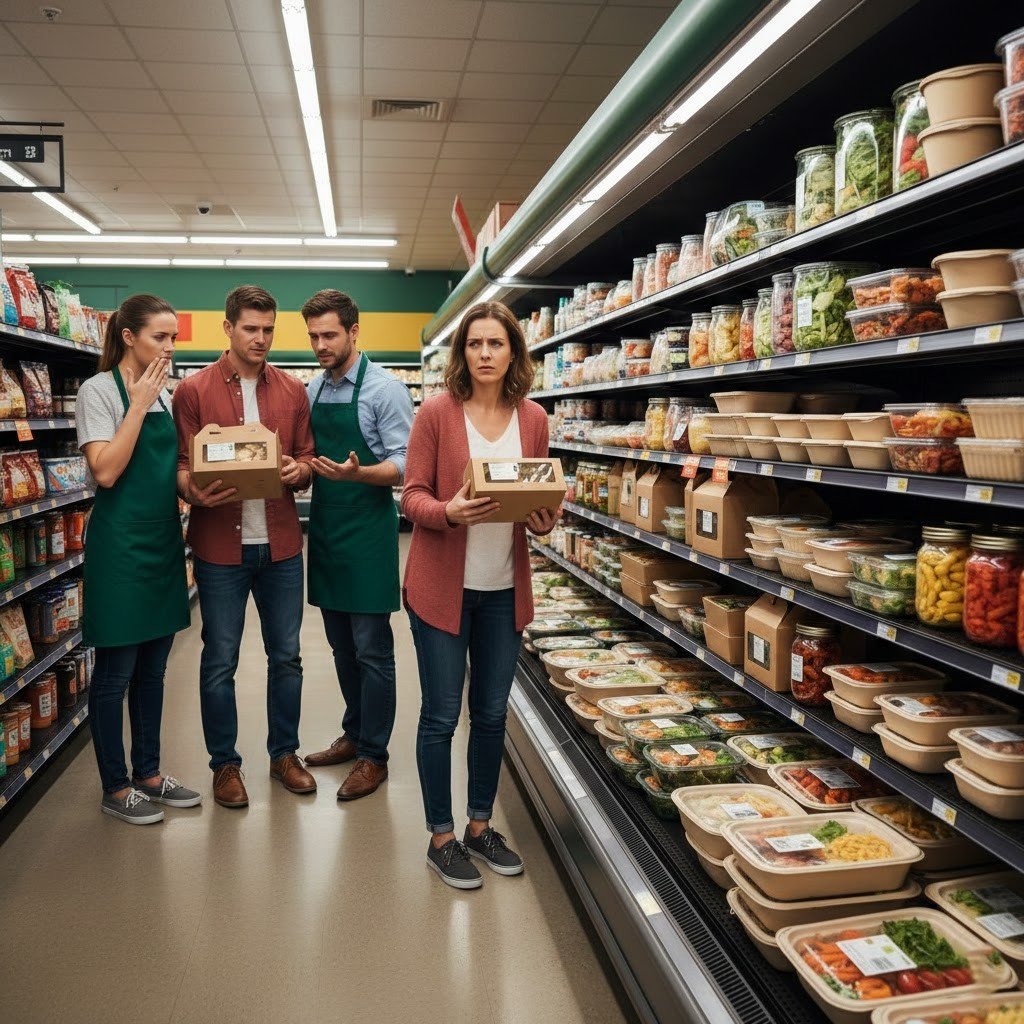
The usage of polystyrene foam boxes to store hot grocery foods was prohibited in most regions. Customers accuse them of having less convenient alternatives.
Artificial food additives
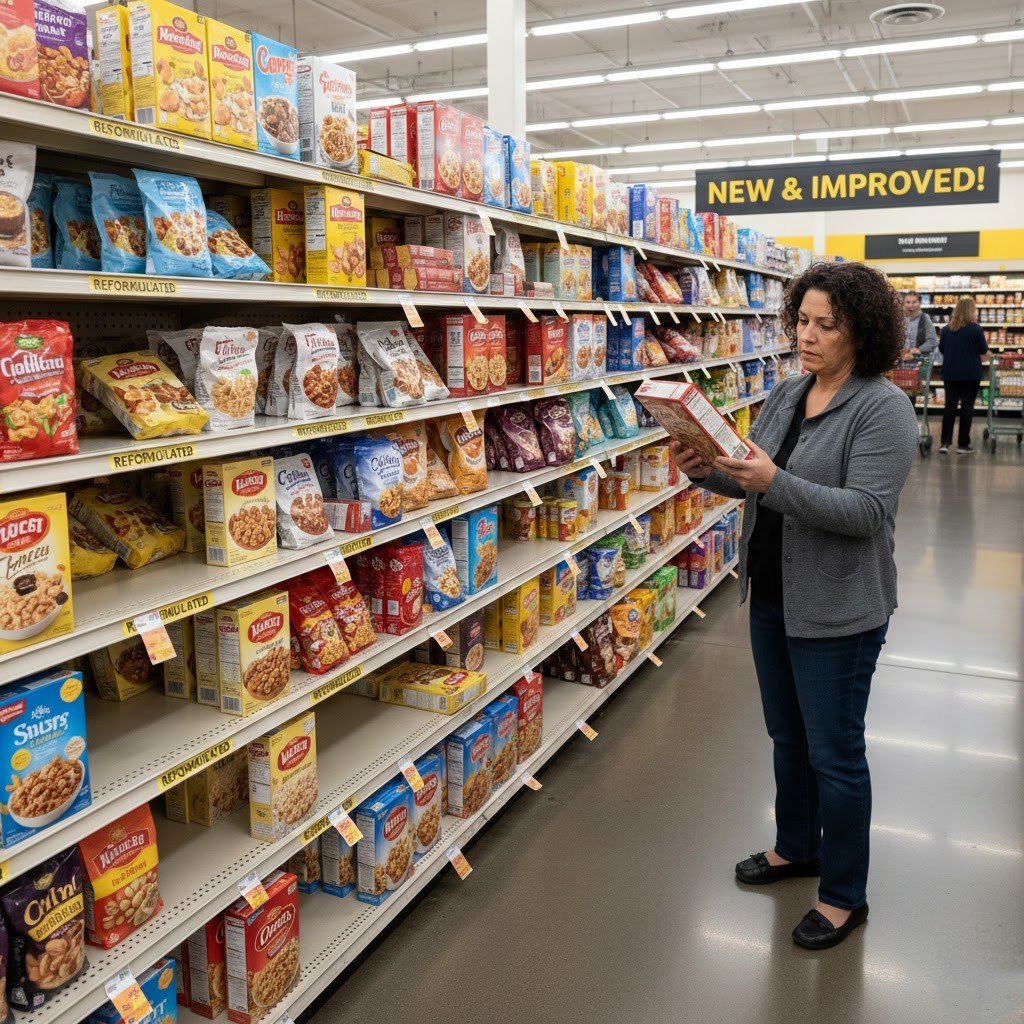
There was even some recall or reformulation of store-brand foods to eliminate artificial colors or additives. According to the customers, the taste has changed.
Large sugary snack packs
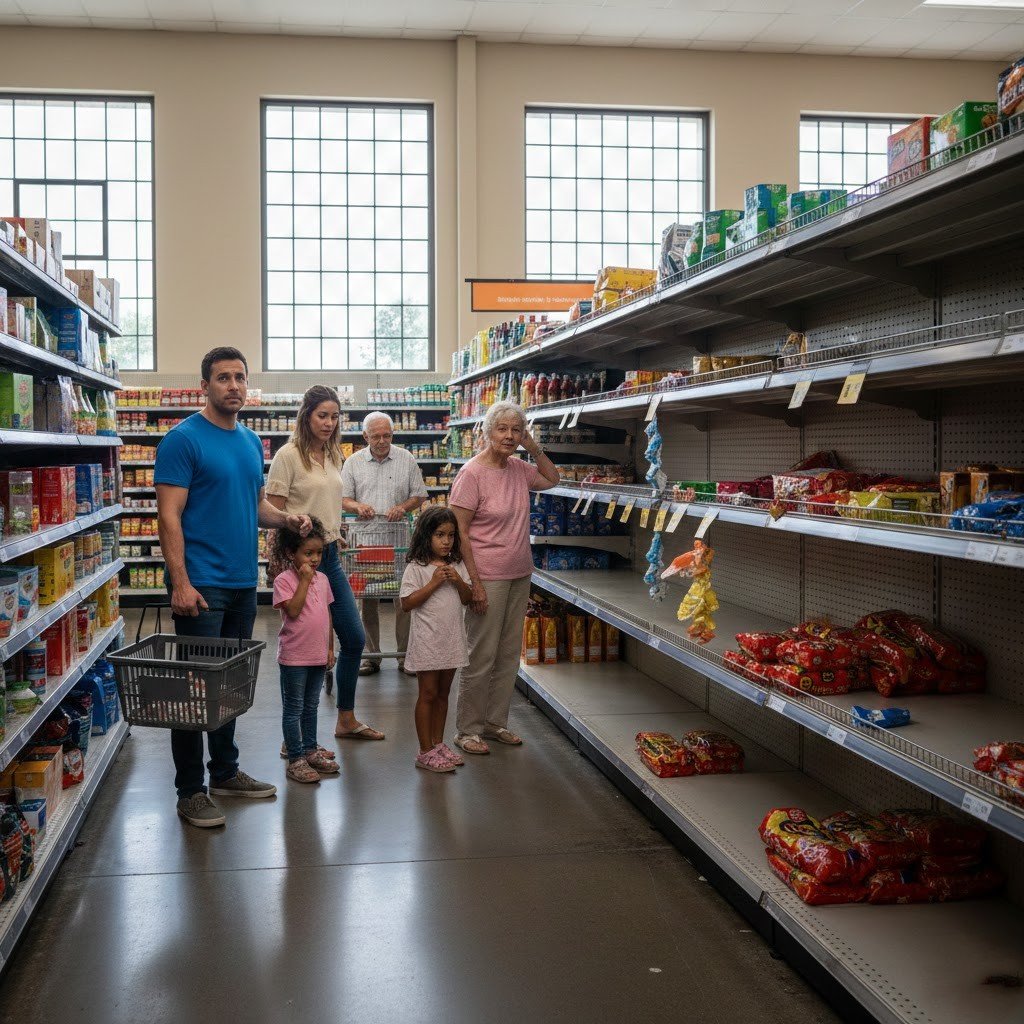
Candy and snack packs that were oversized were restricted in some areas. The citizens feel that it is aimed at fun and not at learning.
Certain imported food items
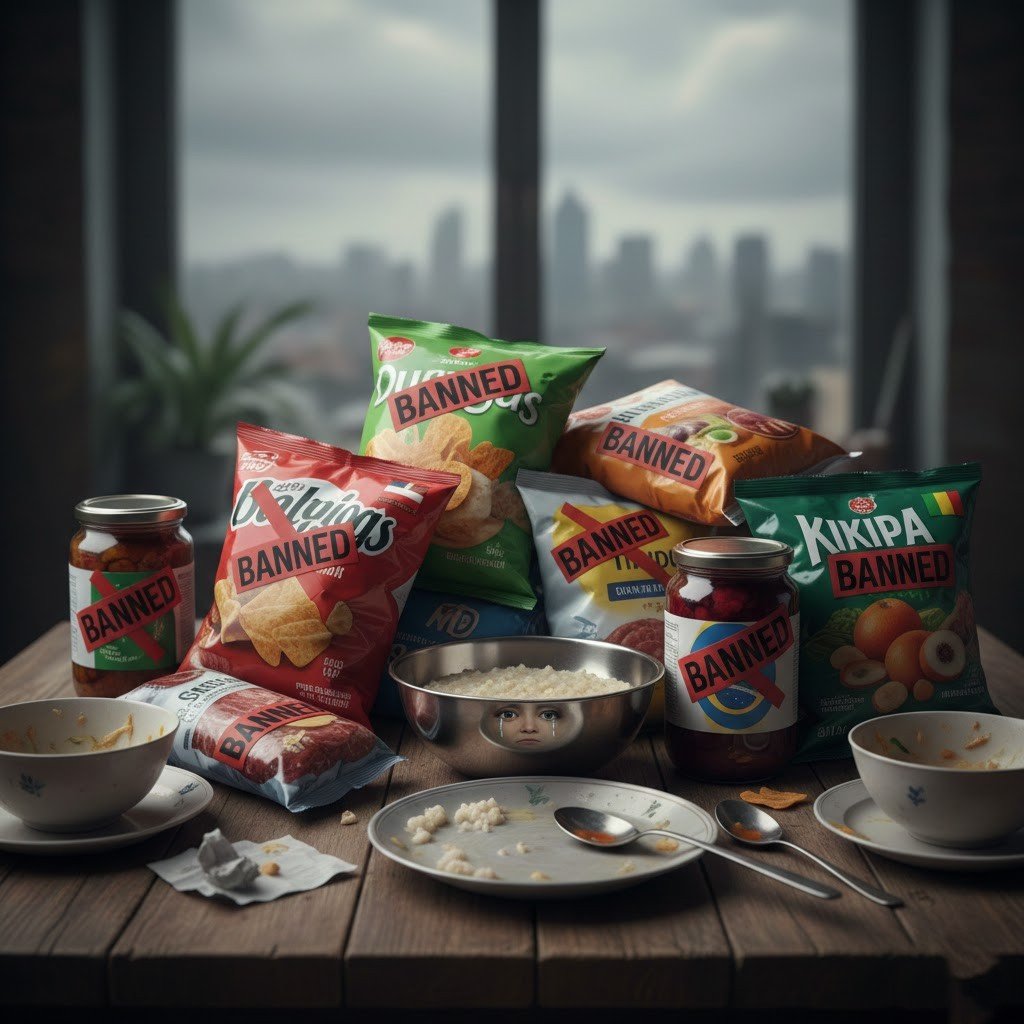
There were labeling or safety regulations banning some imported food products. International food lovers are especially disillusioned.
