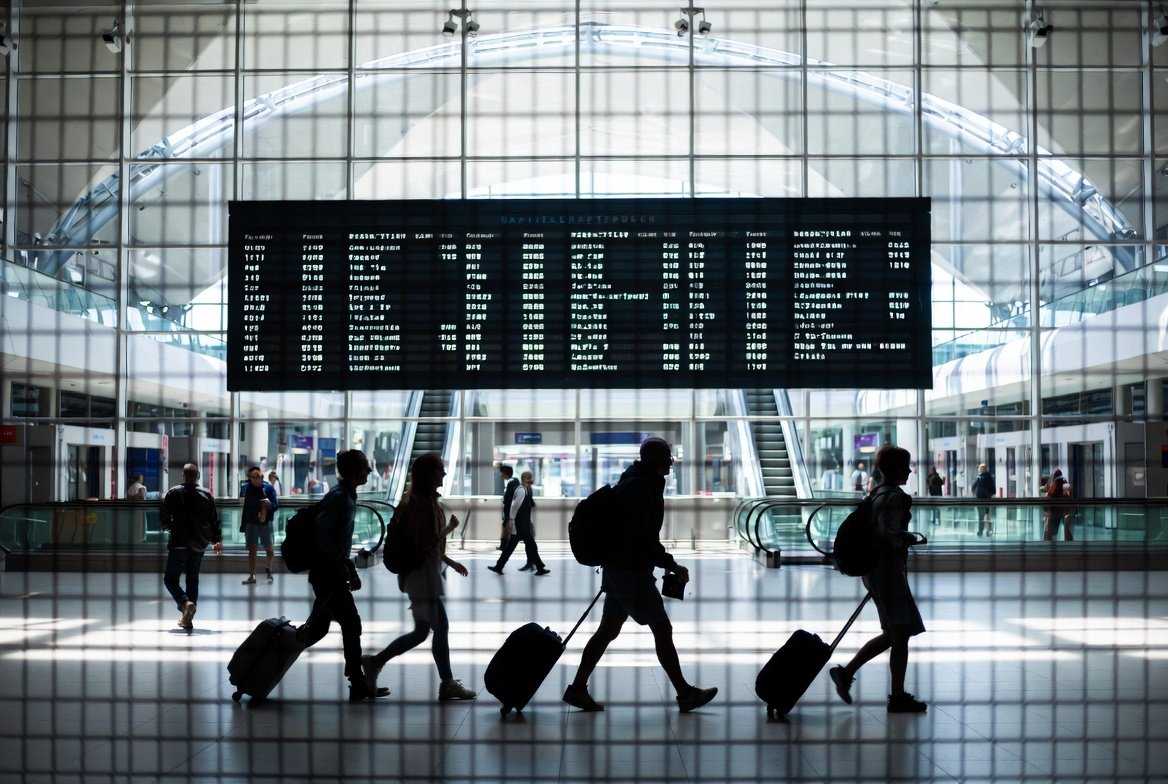
Air travel appears to be an easy process; however, airlines are dependent on complicated systems that most passengers are not aware of. The logistics and profit policies are the ones that are constructed on such aspects as pricing, seating, boarding, and baggage, not traveler comfort only. Learning the way these systems actually operate can make you pay less, lessen the stress and have a smoother ride. Regulations exist, and airlines hardly ever focus on the information that is of use to passengers. Being aware of some insider facts can enhance seat selection, timing and experience at large.
Seat Maps Do Not Reveal It All
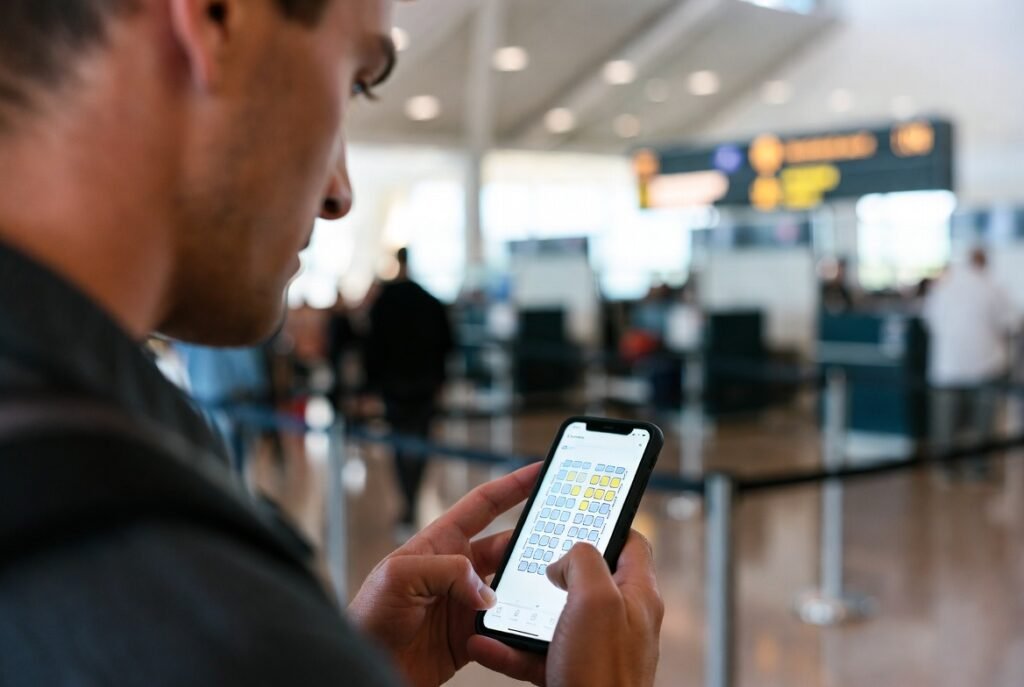
All the available seats are hardly reflected in the seat map at the time of booking. The airlines reserve back to airport assignment, elite, or operational requirements such as balance, and crew positioning.
Pricing of the Tickets are often changed
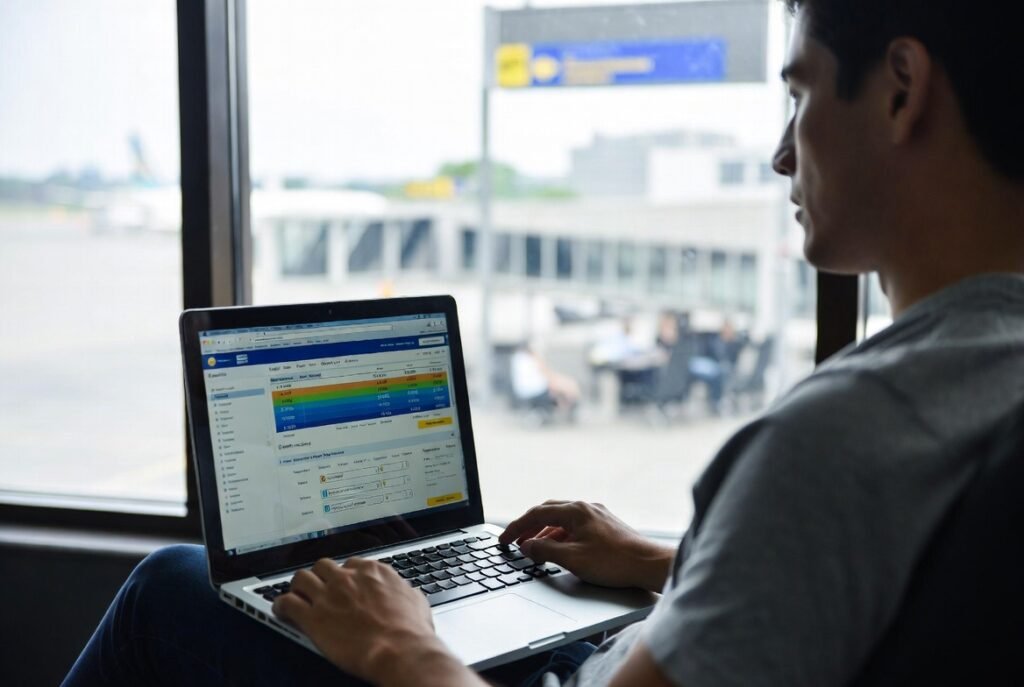
Airline prices are fluid because of demand, competition, time and computer price. A fare is subject to change several times a day. Travel dates help to save more money since flexible travel dates allow one to wait before receiving a perfect drop.
Nevertheless, Boarding Order Isn’t About Speed

Boarding groups put more emphasis on logistics and paid perks as opposed to pure efficiency. Early boarding is usually associated with status, seat selection charges or branded credit cards.
Airlines Overbook Flights

Airlines sell the seats in anticipation of few no-shows. The majority of flights are made through normal departure, however, there are cases when volunteers are required. Flexible passengers can get compensation, hotel accommodation or re-booking incentives.
Change Fees do not always cost the same

The prices of fares differ across the airlines, routes and ticket classes. Certain ones can change tickets free of charge, and others just provide credit. Flexibility might arise due to weather delays or time change which were not initially factored.
Not Every Seat Reclines Equally

The range of recline and legroom vary even in the same cabin. There are usually specific limits in exit rows, bulkheads and final rows. Swaps of aircrafts can also modify the seat comfort.
Airline Food Is Strategically Planned

Tastes are used that are ingredients that maintain taste at elevation. Onboard food taste is enhanced by hydration. Another reason airlines plan meals is based on reheating restrictions and storage security which influences texture and variety.
Your Bag May Journey in a Different Place

Even making it to the boarding of the flight, short routes or close transfers can cause your bags to miss the flight. They are diverted by the airlines on subsequent planes. You should have necessities such as medicine, chargers, and clothes in your carry-on.
There is Fine Print in Frequent Flyer Miles

The miles can expire, award seats are smaller and peak dates need more points. There are tax and carrier fees. Value is maximized by understanding of redemption charts.
Flight Times Buffer Added Often

Airlines build buffers so as to enhance on time rates and to tolerate minor delays. This is the reason why flights land early sometimes. Nevertheless, disruptions are still caused by air traffic, weather and congestion.
Complaints Can Lead to Perks

Customer feedback is closely followed by airlines. Complaints are sometimes given away in miles, travel credits and vouchers especially when made calm and detailed. Rude behavior rarely helps.
