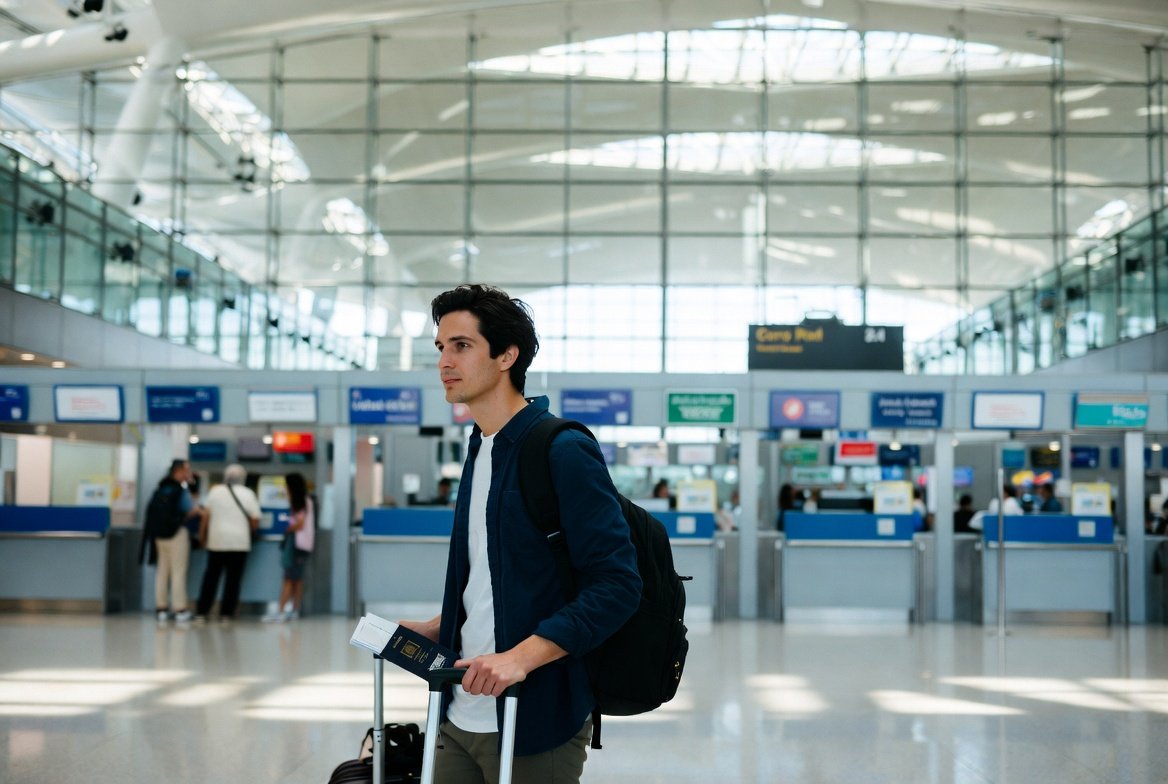
Visiting a foreign country is interesting, and spending money in new locations is very easy to get stressful. Exchanging money is among the initial activities most travelers are engaged in, and airports can be the way out. Nevertheless, ease of use may not be free. The airports have exchange counters which often have poor rates and will charge you extra amounts, so you end up having less local currency as you give your money. Some advance planning prior to travelling will enable you to save unwarranted wastage. Knowledge of how exchange rates, fees and timing operate makes a noticeable change.
Get Only a Little Exchange at the Airport

The exchange booths in the airports do offer a poor exchange rate as opposed to that of a bank or a city exchange office. In case you need to change money in case you arrive, only take little money which you will use to meet your immediate expenses such as transportation. This restricts the losses and you have time to seek alternatives in the future.
Use Your Bank’s ATM Instead
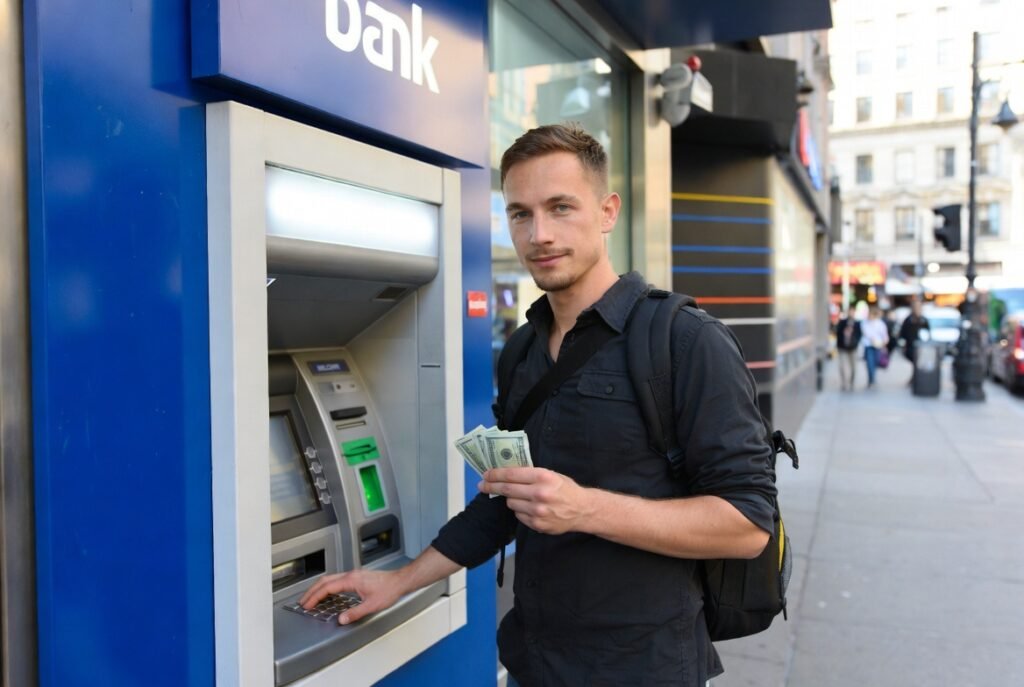
Debiting cash on a bank related ATM tends to give a better exchange rate as compared to the airport counters. The bank you bank with will exchange the currency at more competitive rates, but the exchange will incur small fees. You should call your bank before traveling to know how much they charge and to avoid experiencing the unexpected.
Shun Dynamic Currency Conversion
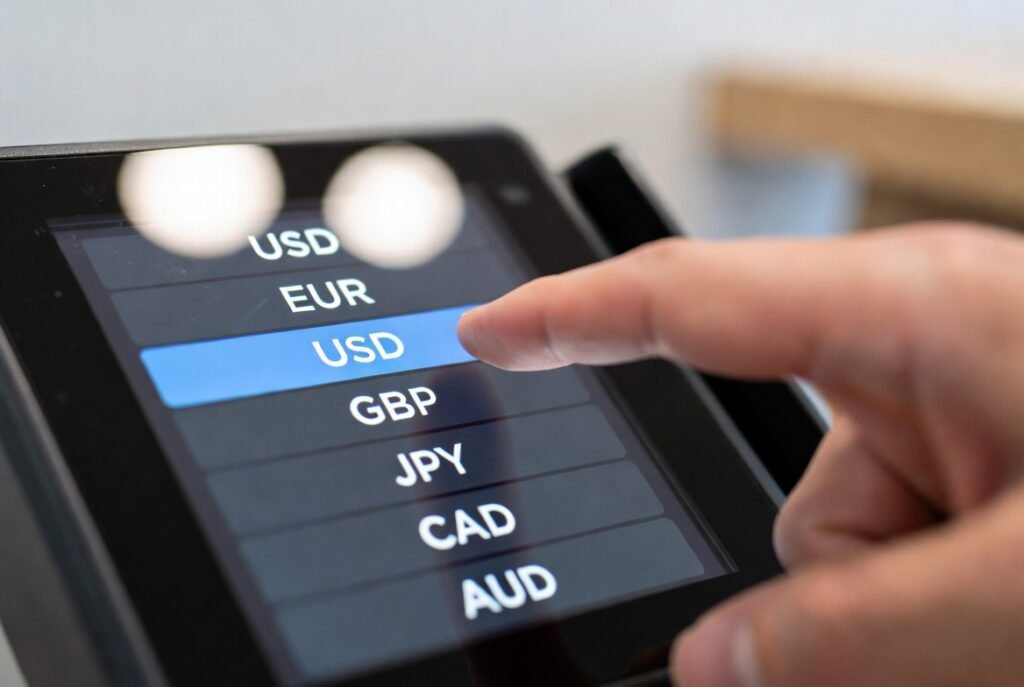
When making payments using a card in a foreign country, they might request you to decide whether to pay in your own currency. The decision to use local currency will mostly lead to a favorable rate. Transacting in your currency may bear additional markups that will add to the cost without your paying attention at that moment.
Be aware of the Present Exchange Rate
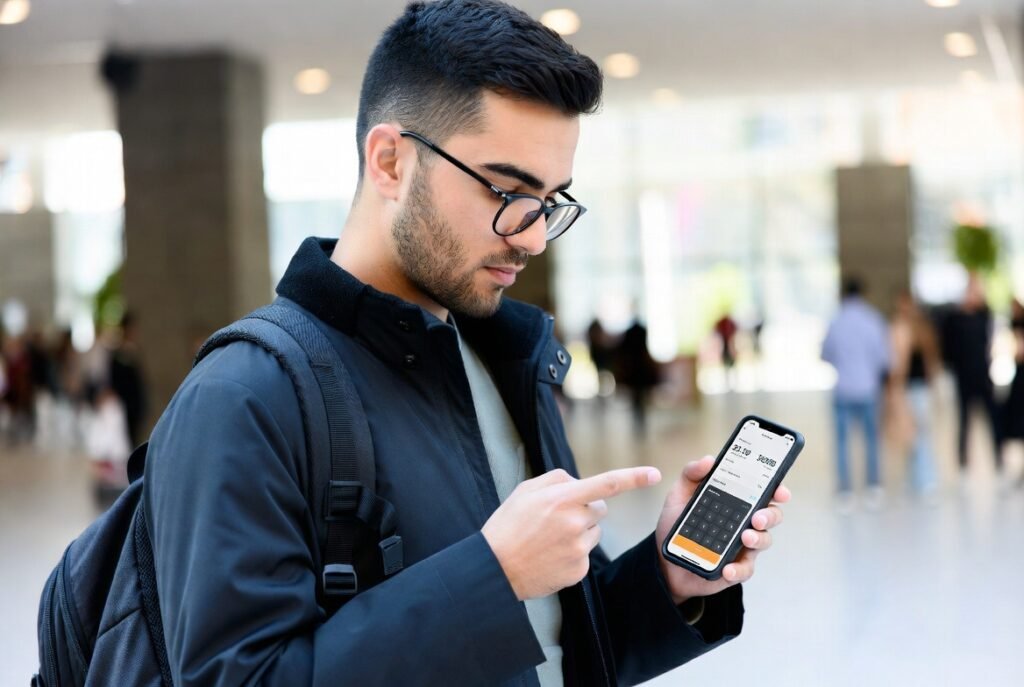
It is beneficial to have a general understanding of the exchange rate to be able to know when you are being ripped off. You do not need the exact numbers, you need to be aware of the approximate value. This has facilitated easier identification of when an airport booth is selling way below the expectations.
Watch for Hidden Fees

Other exchange services may give a promise of no commission but change charge to compensate the disparity. The final amount that you will get should always be asked before consenting. When comparing several options, it can be seen that one of the services is better.
Make Bigger purchases with the help of Credit Cards
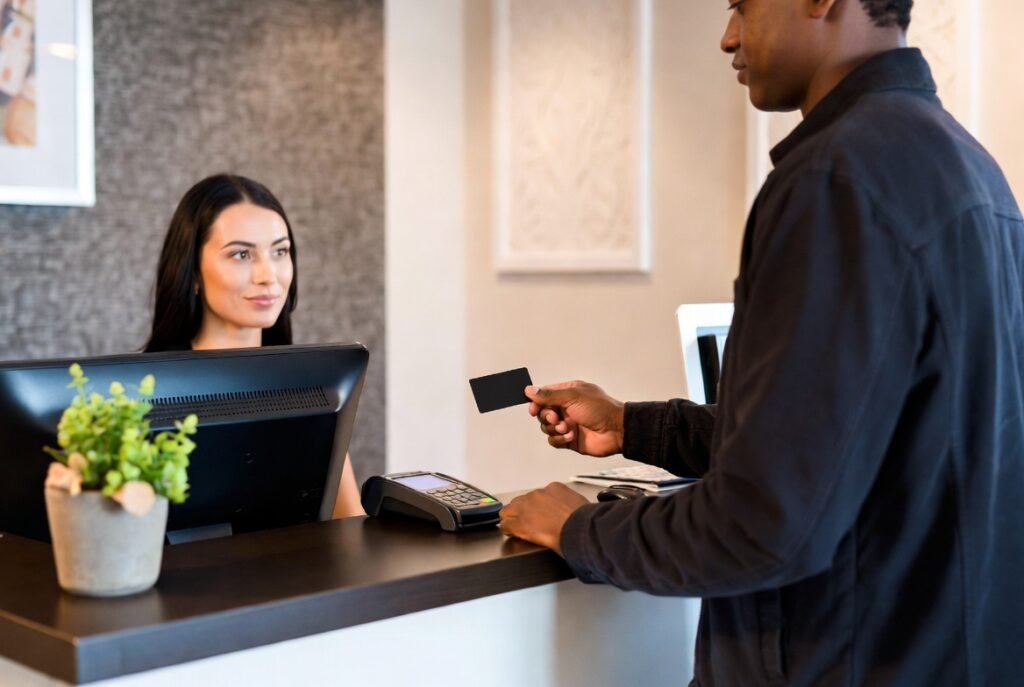
The credit cards usually offer good exchange rates for purchases in foreign countries. Hotels, restaurants and shopping with them helps you eliminate the cash you carry to exchange at dismal rates. Before travelling check on foreign transaction charges.
Plan Ahead Before Departure

It is possible to avoid visiting an airport exchange by ordering a small amount of foreign currency before you travel, which can be ordered by your local bank. The rates may be more favorable, and you will come with ready spending on things such as taxis or snacks.
Do not use Airport Kiosks After Security
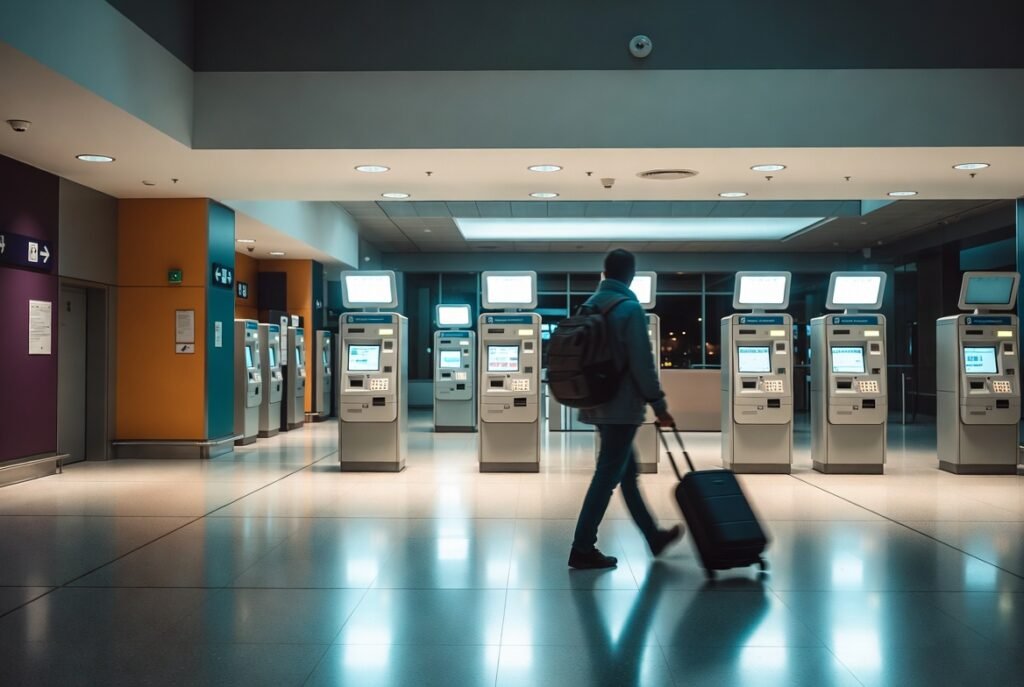
The booths at departure or arrival gates tend to be the most expensive since there are not many options available for travelling. Wherever possible, it is better to wait till you are in the city in order to exchange the larger sums where the competition is more favourable to the rates.
Keep Small Bills

The small denominations also avert the problem of over paying to vendors who do not have change. Splitting big bills in disadvantaged locations may cause losses, and carrying smaller bills will aid in controlling spending in a better manner.
Track Your Spending
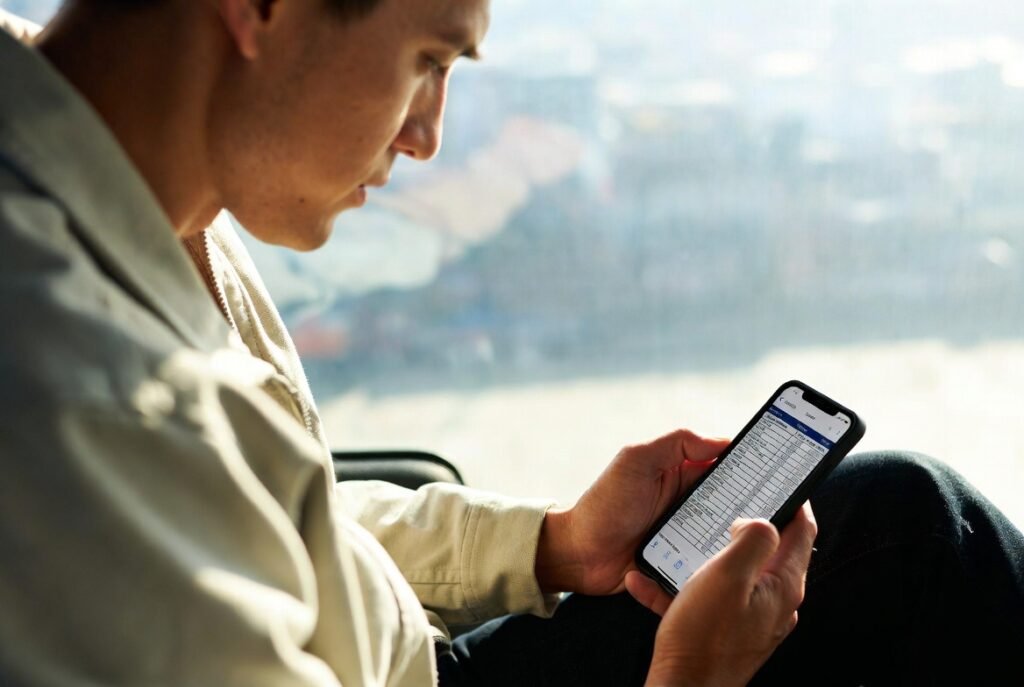
Monitoring the cash usage can avoid unwarranted transactions. This is because by managing what you already possess, you will have to incur fewer charges to visit high-charge airport facilities and you will be able to maintain more of your travel budget.
