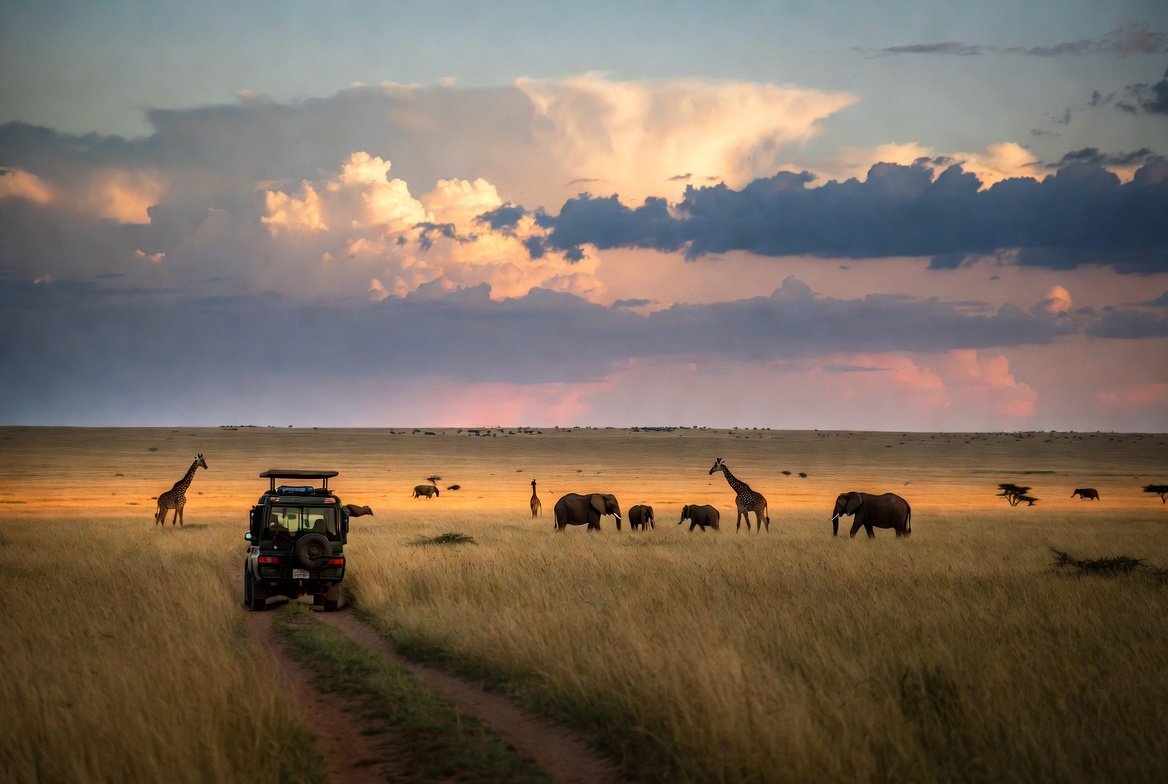
Safari in Kenya is one of the bucket-list destinations because it is a combination of wildlife, landscape, and culture in a way that cannot be forgotten. Kenya is a wonderful nation that boasts of scenic landscapes and wildlife; a visit to the vast savannas with lions and elephants, dams full of flamingos and beaches. It will be proper planning that will be the difference between a rushed tour and a hassle-free and pleasant one. You will be required to think in terms of timing, parks, budget, health and travel logistics. Safaris are not vacations but trips, which are predetermined by seasons, animal migrations and local experience.
Choose the most suitable time to visit
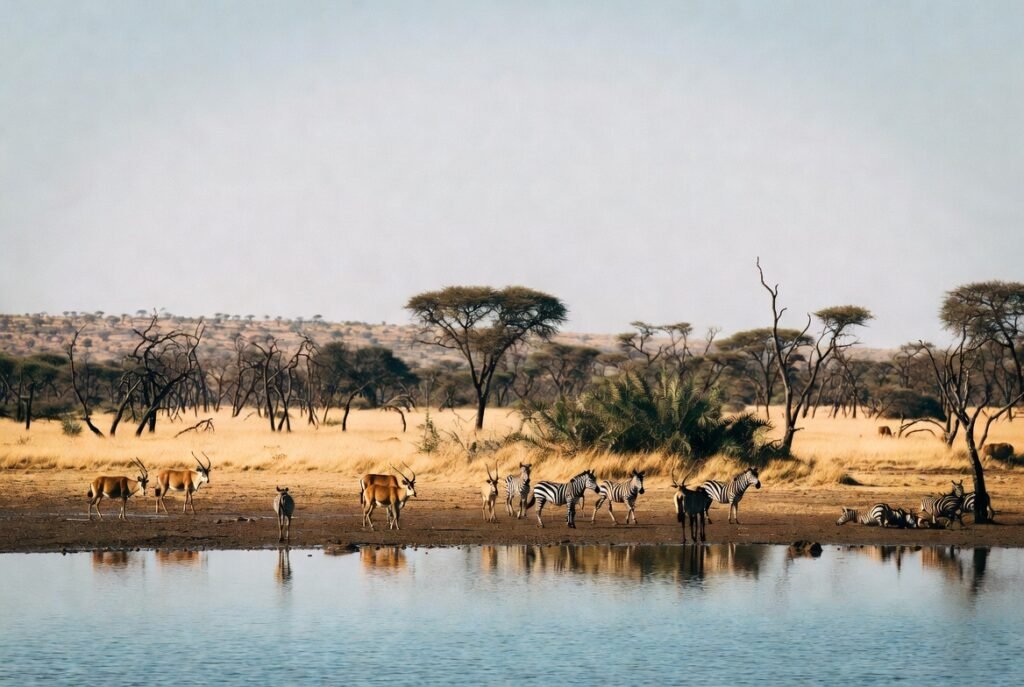
The most preferred months to visit wildlife are during the dry seasons where all the animals in the population are located together along water bodies and the vegetation cover is minimal. The Masai mara has the great migration in July- October.
Pick Your Parks Carefully

Big cats and migration herds are known to exist in Masai Mara. Amboseli is a traditional elephant and mount kilimanjaro sight. Tsavo is quite spacious and is appropriate in rugged landscape.
Select Luxury or Budget
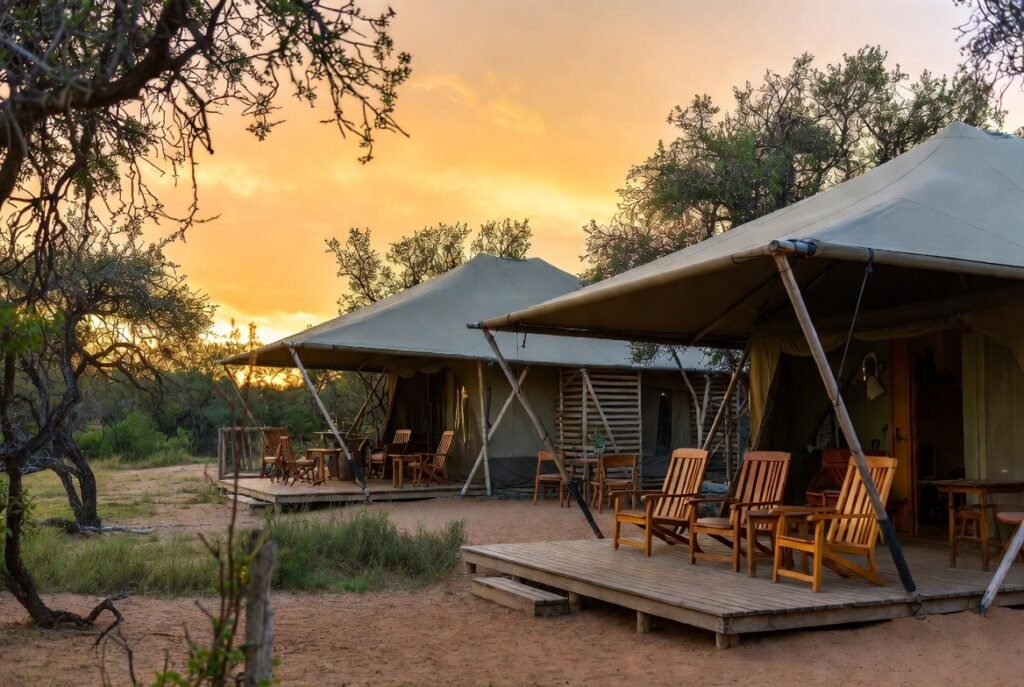
Kenya has basic camps and the posh lodges. Budget tours depend on group transport and their lodging is less elaborate as compared to luxurious lodges which have personal guides, finer tuning meals and best quality comfort.
Reserved By a Reputable Company
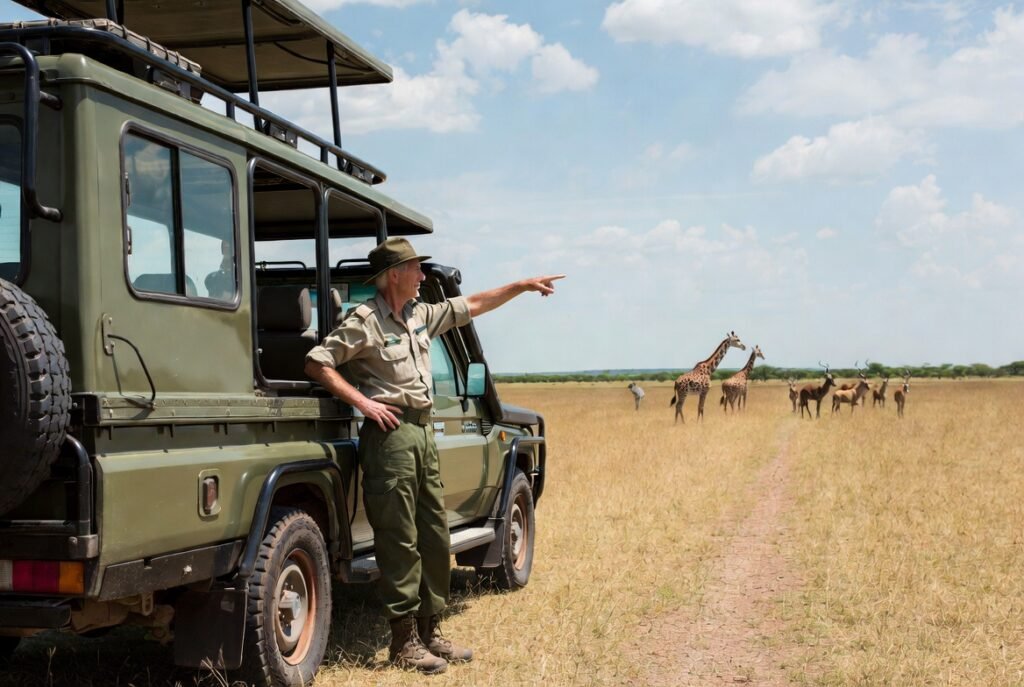
Older safari operators look after permits, guides, vehicles, and other accommodation in the park. A good guide improves significantly both sightseeing of wild life and safety. Checking, certifications and inclusions to be reviewed before booking.
Develop Travel Logistics
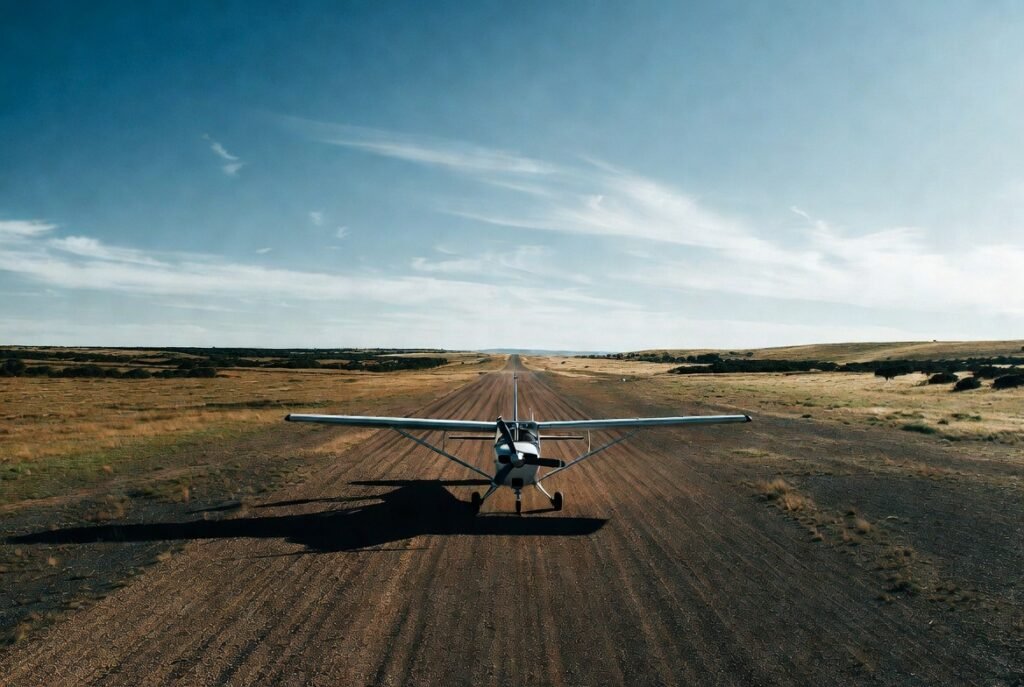
There are wide distances between parks. These are roads and others by small planes. Domestic flights are not as much in time as well as costly. Concur on baggage limits on bush planes that can be quite inflexible.
Pack Smart on the Environment

Pack neutral colored clothes, walking shoes, sun protection and cold mornings. There is a need to carry a hat, sun glasses, bug repulsive spray and a water bottle that can be used repeatedly.
Know Health and Safety Tips

Test the conditions of a check vaccination and do not forget about the prevention of malaria depending on your schedule. Insurance of medical evacuation is also highly recommended since the safari areas are not the most convenient locations and medical service can be in a long distance.
Learn Safari Etiquette

Do not speak when sightseeing, do not stand unless the guides give you permission and do not feed the animals. Wildness never does any evil to the wildlife; it preserves the behavior of these animals.
Organize Cultural Field trips
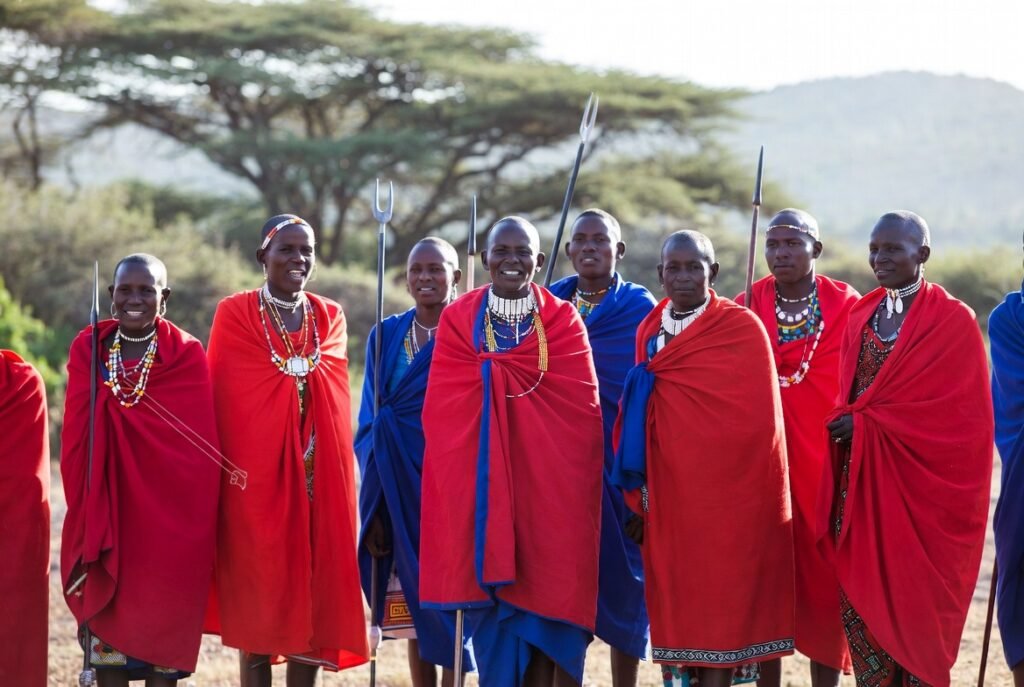
Cultural tourism On site visits to the local Maasai or Samburu communities will offer a source of cultural information alongside wildlife. Conscience tours facilitate the support of the local culture.
Allow Time to Relax
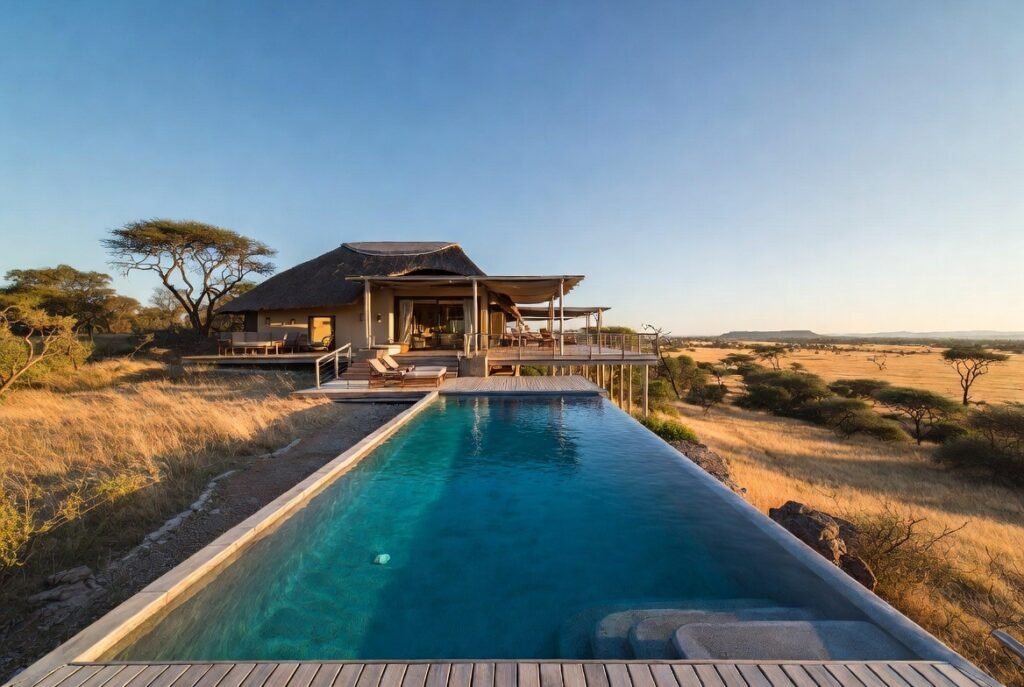
Safaris can be tiresome and premature. Vast majority of houses are scenic with pools or solitude. The game drives will require you to have a break in between and this will leave you refreshed and alert and ready to have all the wildlife adventure.
