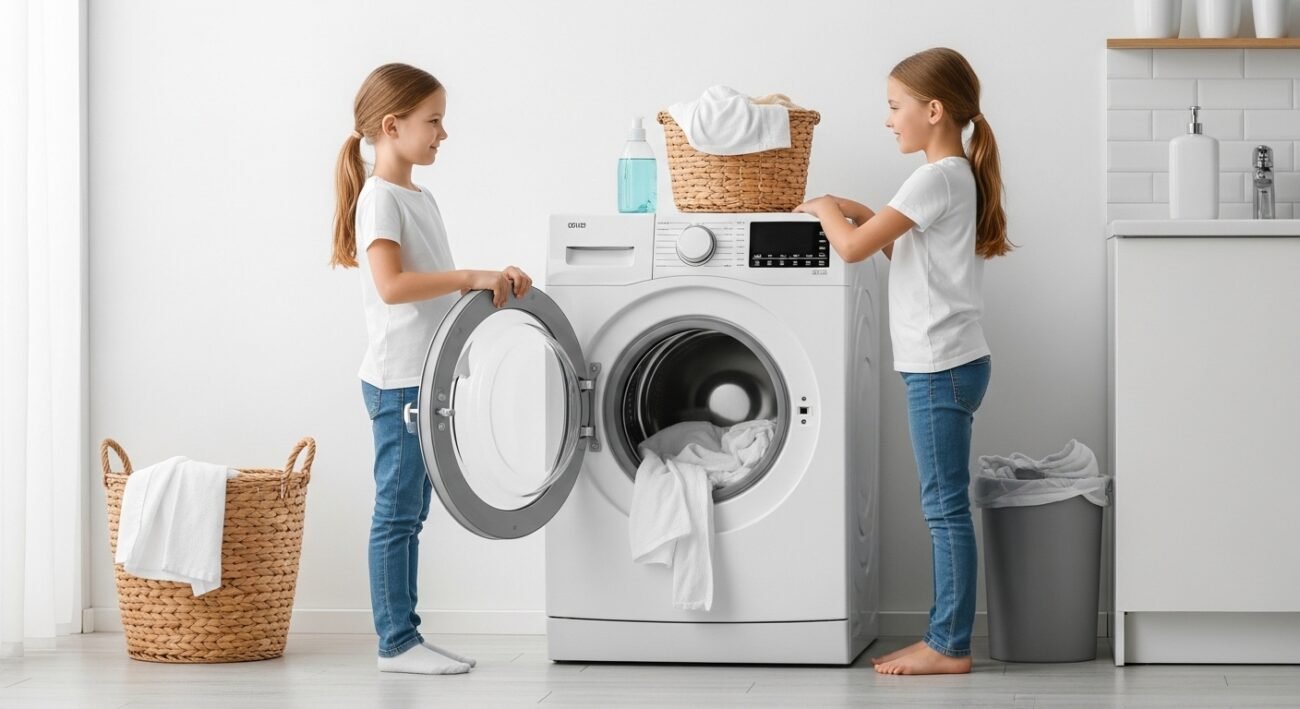
We all try to cut costs by washing with cold water though it might not get everything clean. People who know laundry well say that some fabrics and stained items really need heat to stay in good condition. Cold cycles sometimes leave dirt behind which can eventually damage your clothes. Using heat ensures that your laundry stays nice and lasts as long as possible.
The Bed Sheets And Pillowcases
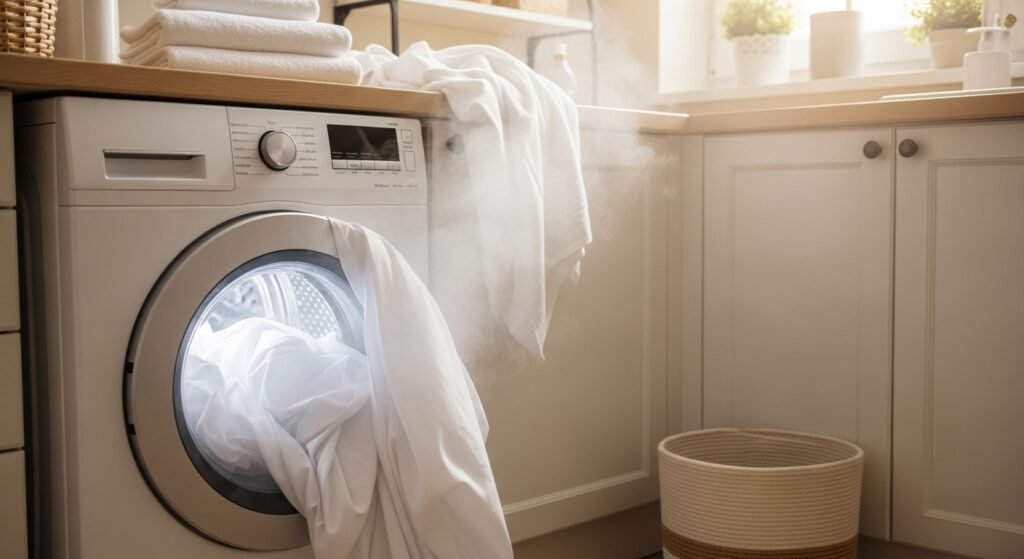
When you rest, bedding gathers sweat and body oils. Because of this, chilly water often fails to fully process these residues. Warm or boiling liquids work better – they help textiles remain odorless and soft next to your pores.
White Cotton Clothing
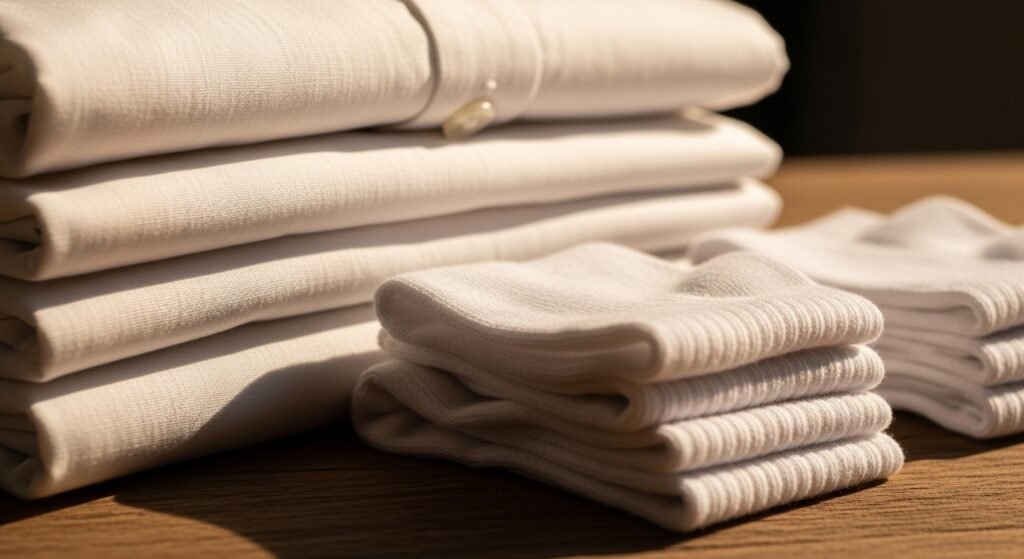
White socks and shirts get ugly and gray in cold water. You should use hot cycles instead. Heat helps your soap scrub away tough dirt and stains easily. This simple trick keeps all your white clothes looking bright and brand new for many years.
Bath And Kitchen Towels
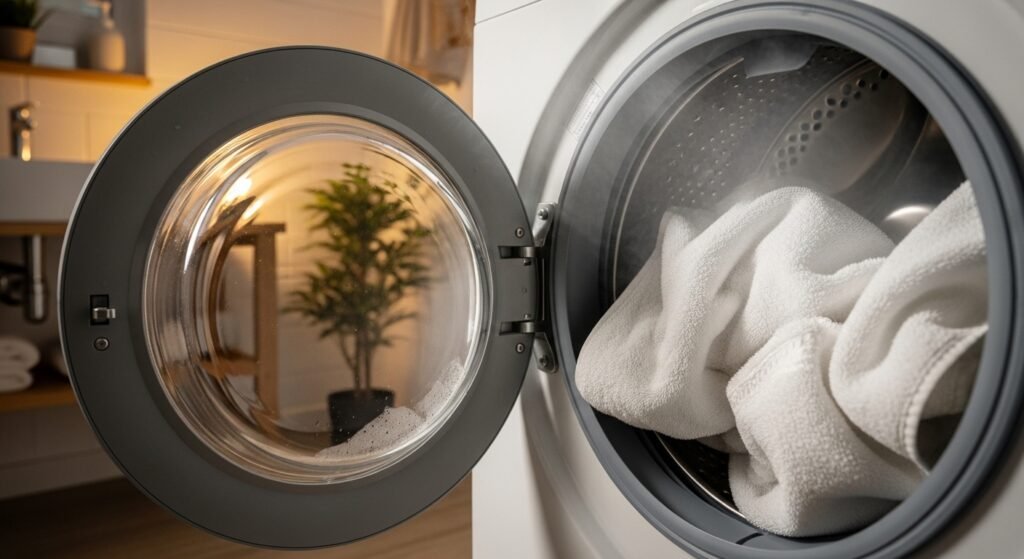
A towel keeps water trapped, often developing musty notes unless washed hard enough. Raising the temperature breaks down soap residue and unwanted microbes cold water fails to remove.
Heavily Soiled Work Clothes
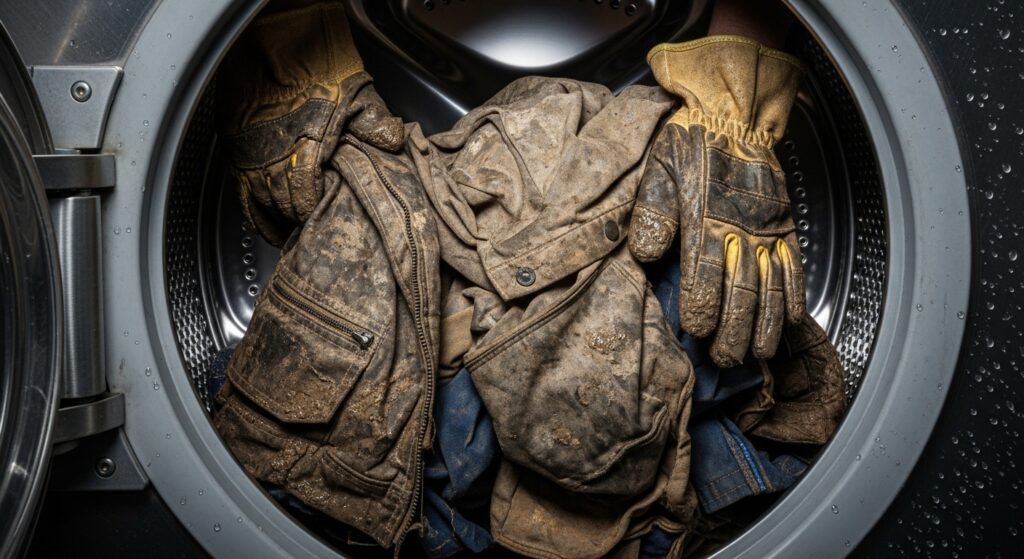
When clothes get stuck with grimy oil from outdoor jobs, pouring in cold water often spreads the grime instead of removing it. Heat becomes essential – it loosens tough grime so cleaning liquid reaches down to cloth threads.
Cloth Diapers Or Baby Items
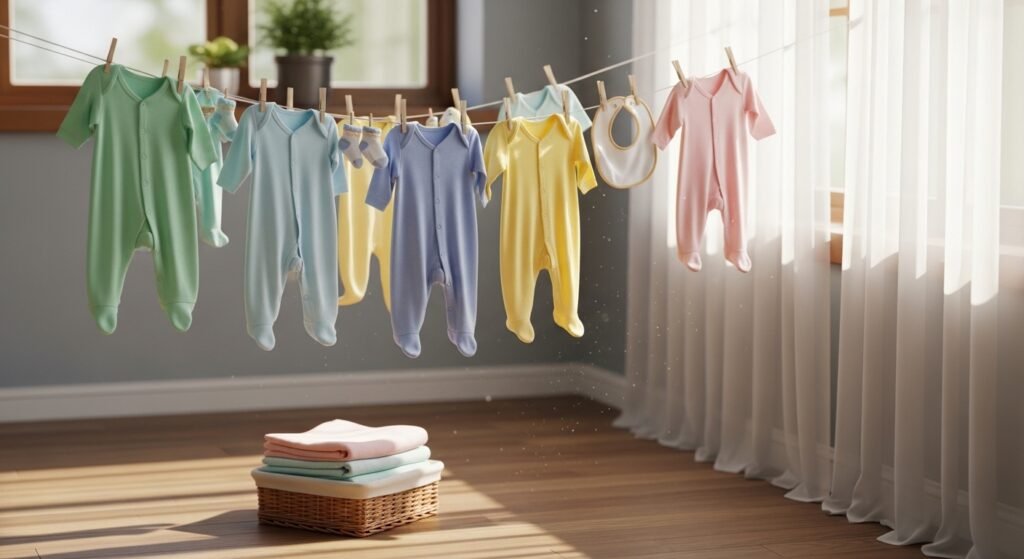
When it comes to major cleanups, applying heat helps keep things clean and secure. Usually, specialists suggest scorching each piece thoroughly – so water runs clear and gear feels fresh for next time.
Knitted Wool Sweaters
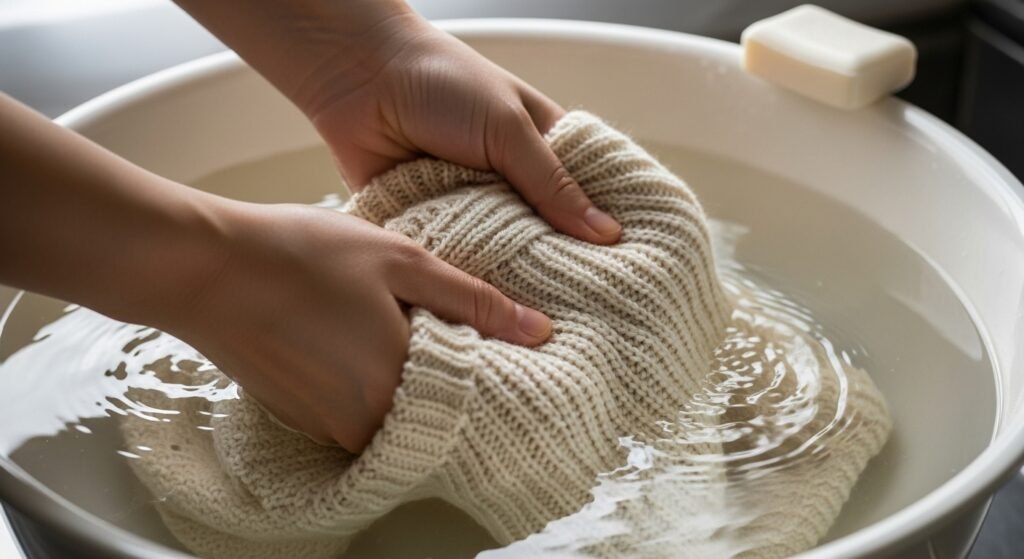
While you have to be careful not to shrink them many pros say lukewarm is better than freezing cold to get dirt out of the fibers. You just have to make sure the temperature is consistent so the wool doesn’t get shocked and lose its natural shape.
Synthetic Workout Gear
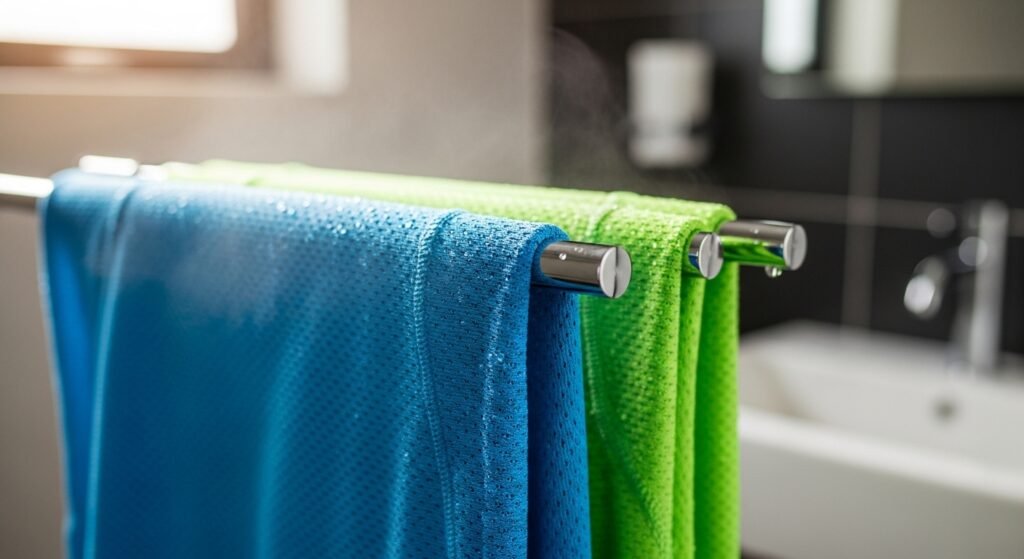
Wet spots on polyester-spandex mixtures pull sweat far from skin, yet grease from skin seeps inside just as much. When heat rises, it stretches tight chains made of synthetics, turning hidden gunk into something rinseable rather than stuck fast.
Sanitizing Hospital Scrubs
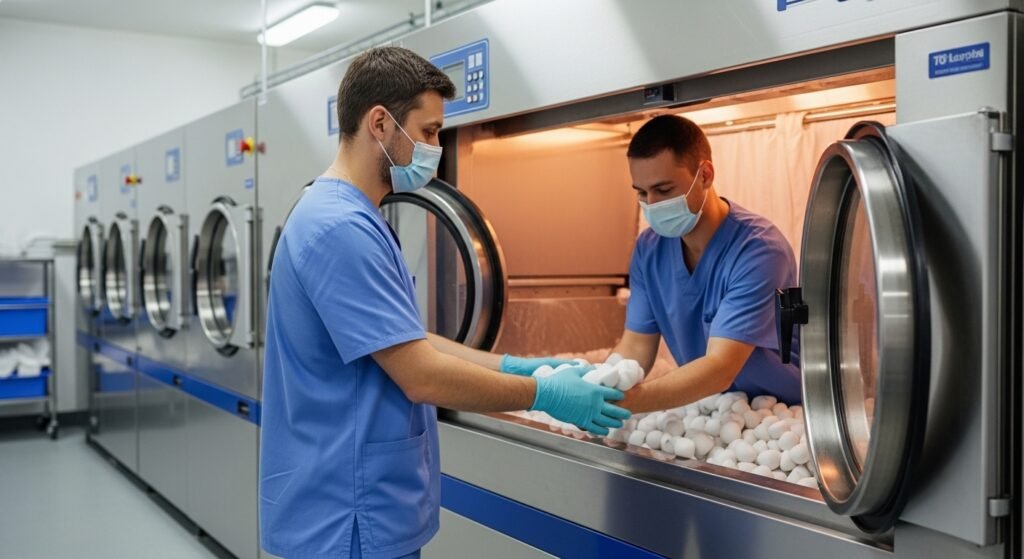
Working in a clinic or where germs spread? Cold washes might not cut it for your uniforms. Cleaning power comes mostly from warmth, not just water movement. Getting surfaces truly tidy relies heavily on heat.
Tablecloths With Food Stains
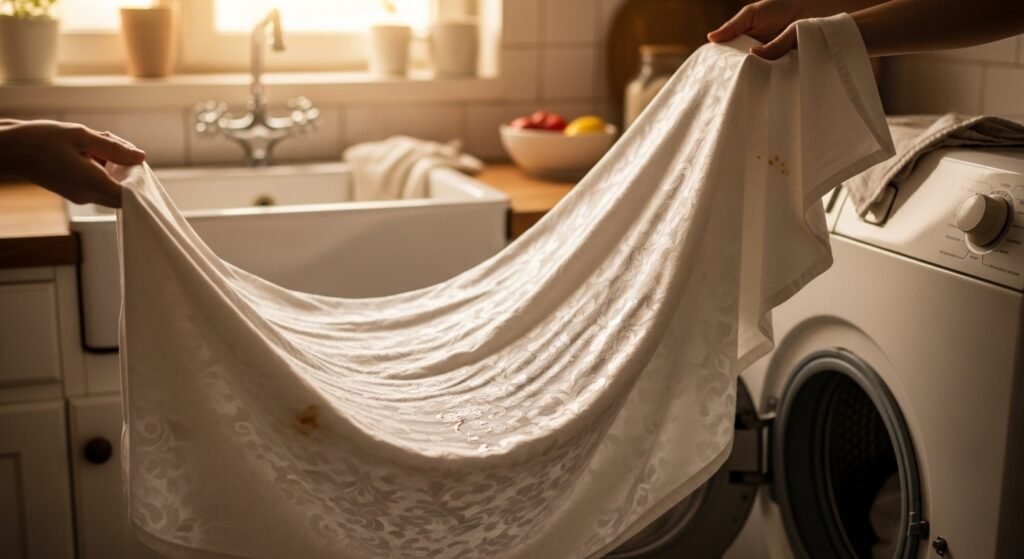
A fall evening might bring guests gathering around the table, where splashes of red wine often strike without warning. Heat steps in, softening sticky protein bits left behind by cooking, letting them vanish when clothes pass through warm water.
Bath Mats And Rugs
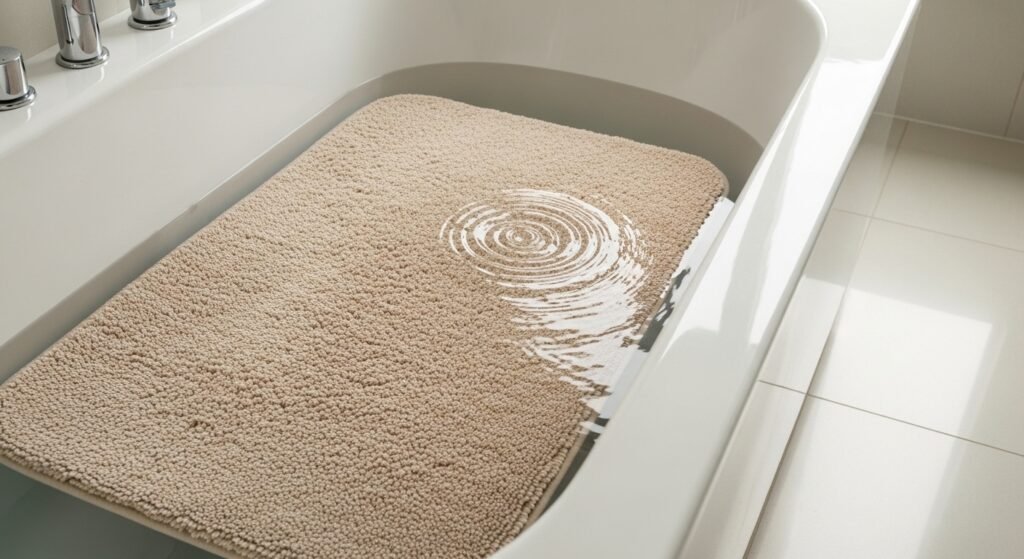
Beneath its soft pile and sticky rubber sole, a bath mat traps more than just footprints – it holds water and dirt too. Pull it aside and soak it gently in running warm liquid, working past surface layers where messes like to hide. That soak reaches what regular sweeping misses, leaving tiles beneath both fresher and drier.
