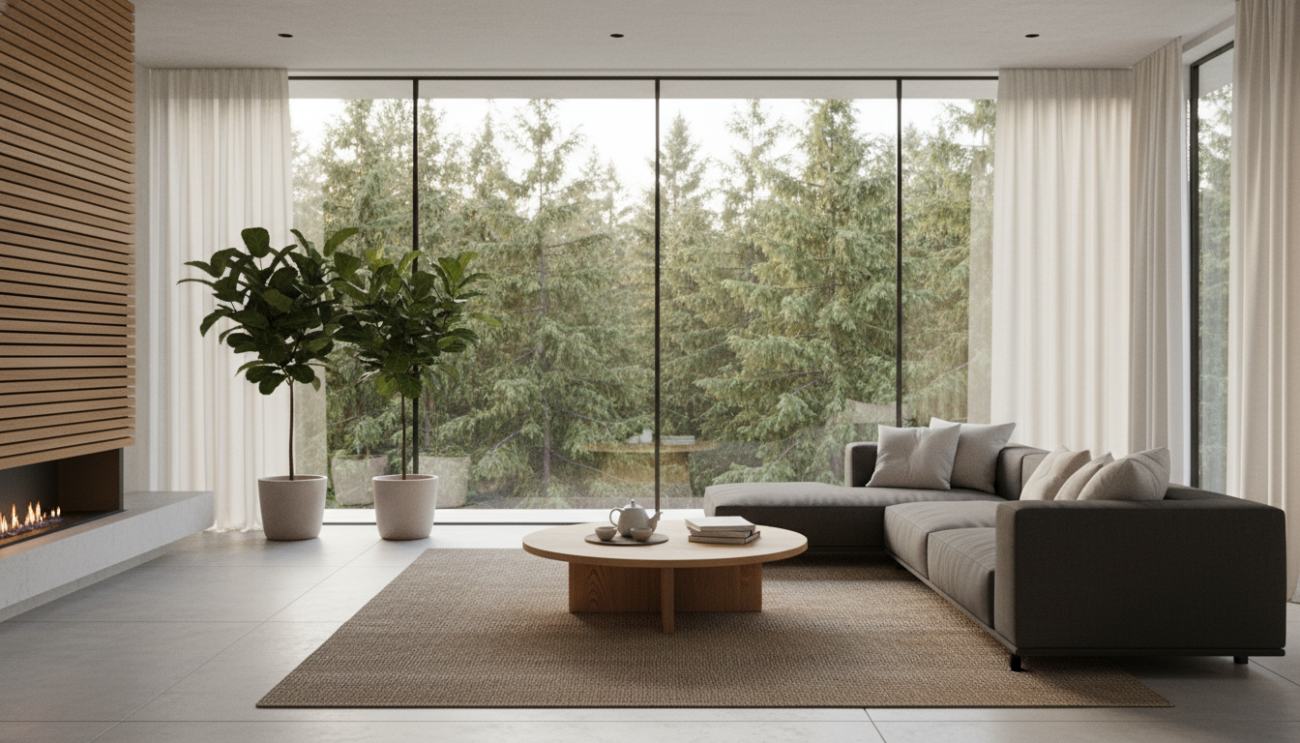
Life is usually busy, hectic, and influenced by unspoken expectations that build up gradually. Lifestyle design provides a softer approach to taking a step back and reexamining how everyday decisions could better fit their personal aspirations and comfort. It is not about seeking the ideal but rather seeing what makes sense, expectancy, and viability. The minor changes in habits, settings, and priorities can help build a more relaxed and purposeful life slowly but surely. Dream life is made to be different by each individual, and that is one of its beauties. Lifestyle design may be a more liberal way of living with more clarity, moderation, and silent contentment, without being under the stress of some rigid formula.
What does the dream life mean to you

A dream life may appear different to each person, and this would be based on the values, duties, and personal comfort. Giving oneself a moment to find out what brings satisfaction may contribute to a more unmistakable path without following the formula of success used by another person.
Generating space for what really counts
Life may be full of commitments that gradually become meaningless. Creating time, both mentally and in actual space, to do things that seem meaningful can help to de-inflate the sense of overwhelm and introduce the feeling of quiet intentionality.
Balancing ambition and rest
Growth is usually motivated by ambition, whereas sustainability is supported by rest. Having both of them simultaneously can aid in avoiding burnout and make progress seem more stable and consistent, not hurried or bombarded.
Deciding in favor of comfortable habits
When they are natural to the lifestyle, then habits are more likely to endure. Rather than enforcing radical transformations, more modest routines that are manageable may silently propel long-term health and stability.
Intentionally use your time
Time finds a way of escaping. Planning the hours spent in a more conscious way can remind the day-to-day efforts of the long-term desires, without having to be on any schedule and working around the clock.
Letting go of comparison

The comparison can be able to influence the decisions and expectations quietly. Taking a break may be a way of having a rethink about personal progress and enabling the growth to be more rewarding and less stressful.
Designing work life with personal values
Having work is a big aspect of everyday life. A more appropriate fit between work and personal values can assist in making work seem more balanced and not so disconnected from the priorities in general life.
Making room for simple joys
Even little trifles of happiness are not noticeable. Some elements that could help alleviate the daily dissatisfaction without needing significant changes in the lifestyle could be creating space where simple pleasures usually help, such as taking a break or enjoying the things one knows.
Reviewing achievements from time to time

As life changes, goals are subject to change. Periodic revisions can be used to make sure that they also represent the present needs and wants, not an earlier expectation that does not apply anymore.
Being patient with the process
The design of a lifestyle usually develops gradually. Patience in gradual changes can help to minimize the levels of frustration and enable the adjustments to become more natural, as opposed to being hurried or motivated by the force of an external factor.
Allow yourself to evolve naturally

Nothing is designed to be eternal. Leaving room to change and be unpredictable could make life seem more flexible, more realistic, and more in line with development as the situations and attitudes change over time in different circumstances.
