
Parenting toddlers means a lot of emotional upheaval, a lack of attention span, and incessant learning. Positive discipline is not about punishment, it is about teaching the children to know the boundaries and feel secure and encouraged. Such a practice fosters trust, cooperation and emotional growth at the most important early years. Parents set the behavior through patience, explicit expectations and routine as an alternative to becoming frustrated. These are the effective tips that can achieve the goal of minimizing power struggles and bonding stronger, as well as to learn a lifelong lesson in empathy, self-control, and problem solving in real-life circumstances.
Stay Calm First

Children that have not yet entered their second year of life replicate the emotions of adults within a short period. Addressing people with a low-pitched voice also helps to avoid instances of escalation.
Use Simple, Clear Language

Young children are best served by short and direct instructions. Using clear words also makes the expectations clear to the toddlers. The consistency in phrases makes learning stronger and creates less confusion in rules and limits.
Offer Limited Choices

A provision of two acceptable choices makes toddlers feel as free at the same time remaining within the limits. As an illustration, “Blue shirt or red shirt? This minimizes opposition and politics.
Set Predictable Routines
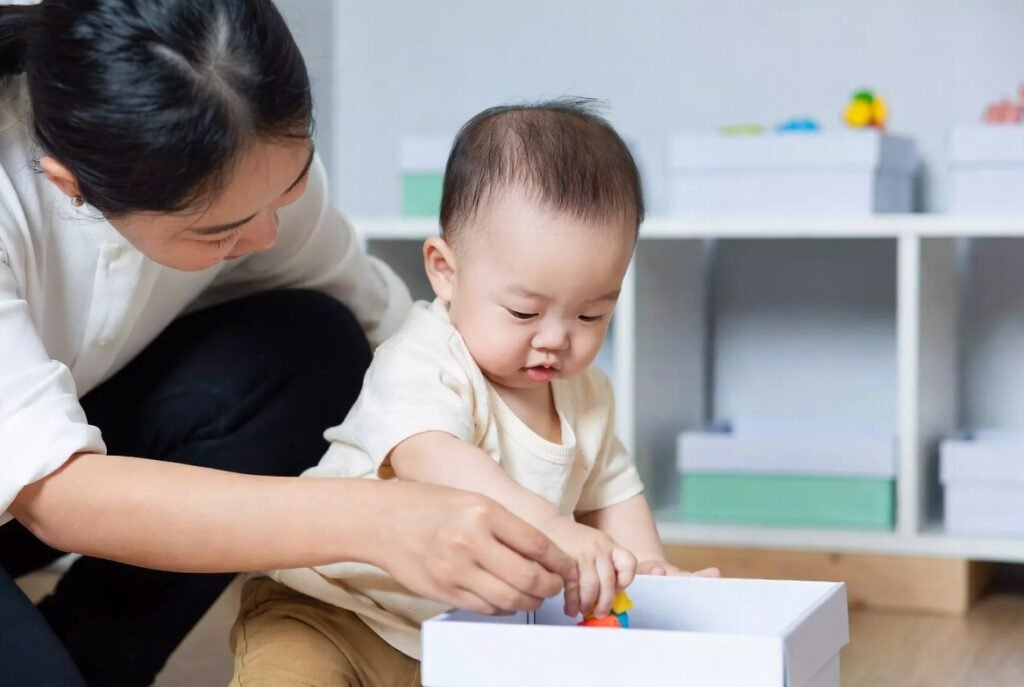
When toddlers are informed of what to expect, they will act better. Anxiety is lowered, and meltdowns because of some abrupt changes or transition are minimized.
Acknowledge Feelings

This does not imply giving up but it is empathy. Making children feel heard will help them to calm and learn to express emotions using words.
Redirection as an Alternative to Just Say No
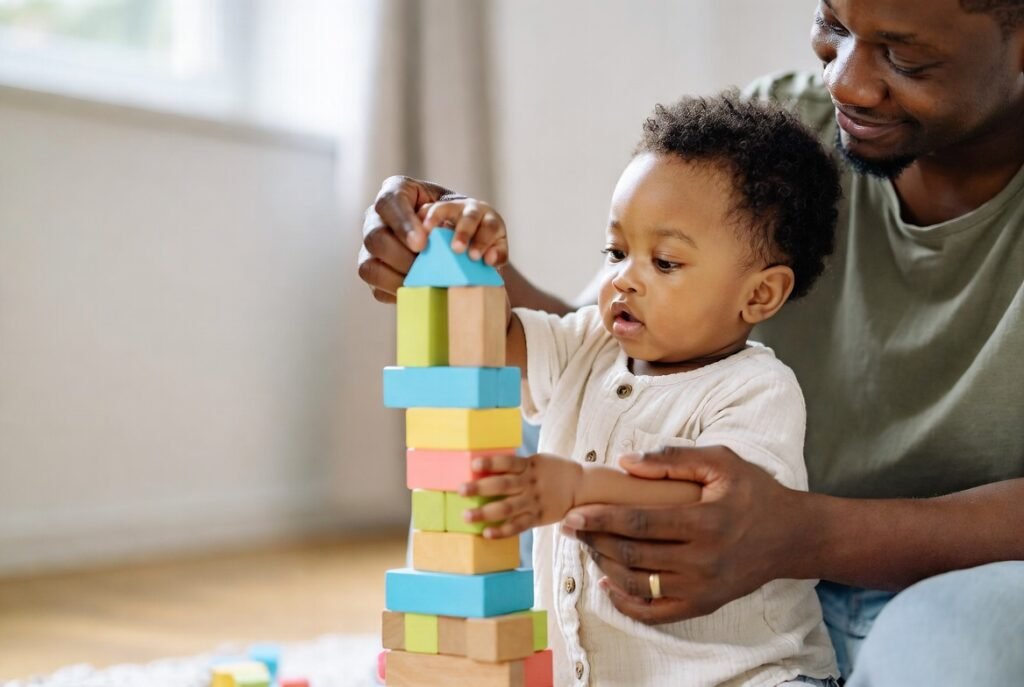
When they do not do the right thing, direct them to a superior one. In case they are tossing toys, propose to roll a ball. Redirection is instructive on the behavior to do besides the one not to do only, which promotes good behavior.
Appreciate Hard Work, Not Only Reasonable accomplishments

Good behavior is supported by specific praise such as “You put your toys away” that is reinforced. Positive attention promotes such actions being repeated by children more frequently.
Use Natural Consequences

When one of the toys is thrown away, then it is stored temporarily. This assists toddlers in relating actions and outcomes without family brutality.
Get Down to Their Level

Bending down to look at them enables the children to pay attention and feel important. Making close contact with each other and touching gently creates trust. Guidance should not be alien to the toddlers.
Be Consistent

Pushing limits each time helps to get insight. Confusion and testing limits are more frequently caused by mixed messages among toddlers. Consistency assists the children to learn more quickly and be safe.
