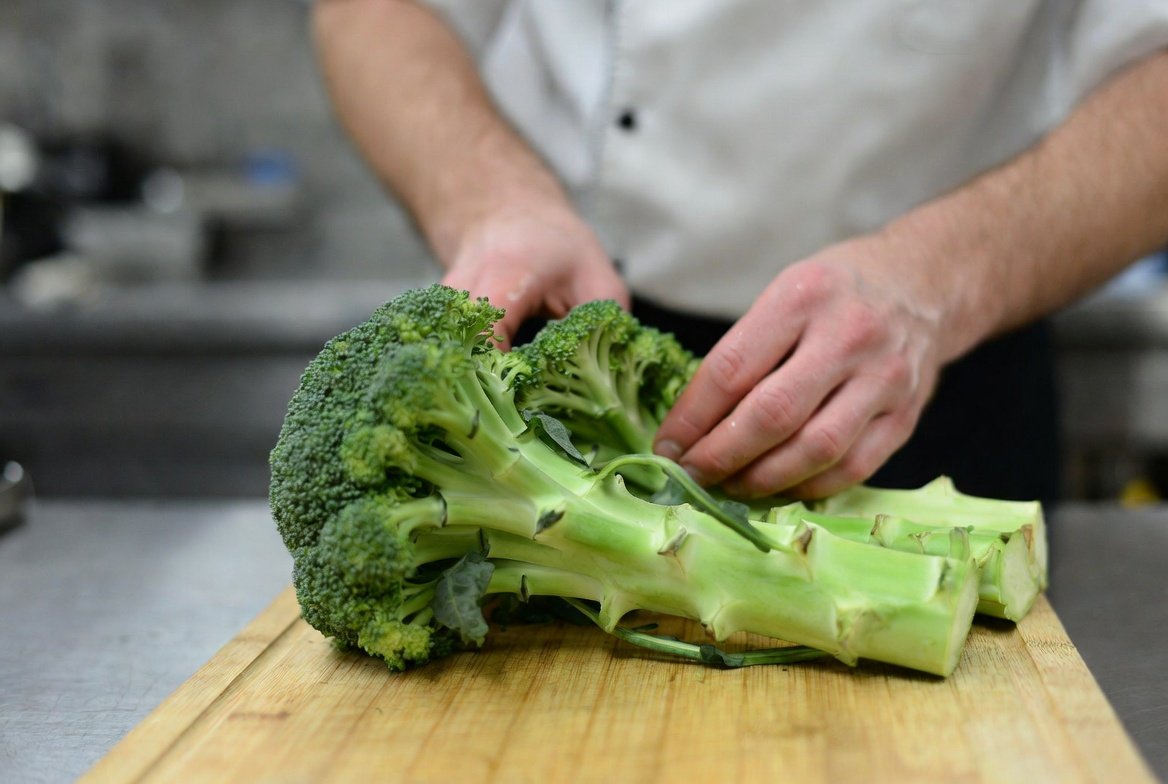
Some people seem to be split in opinion about broccoli, but on the other hand, professional kitchens seem to put a silent mark of respect. Being curious about how it is prepared by the chefs in their homes, I posed a similar question to the three experienced chefs: What is best way to cook broccoli? Their responses were incredibly close to each other. No very complex methods, no deep sauces, no fashionable short-cuts. On the contrary, they only concentrated on a single procedure that preserves flavour, texture and natural colour. The tips were realistic, repeatable and applicable in daily cooking. What it offers next is a deconstruction of that common knowledge into identifiable, applicable components that transform broccoli into a reliable, fulfilling ingredient of any dish.
Start With Fresh Broccoli
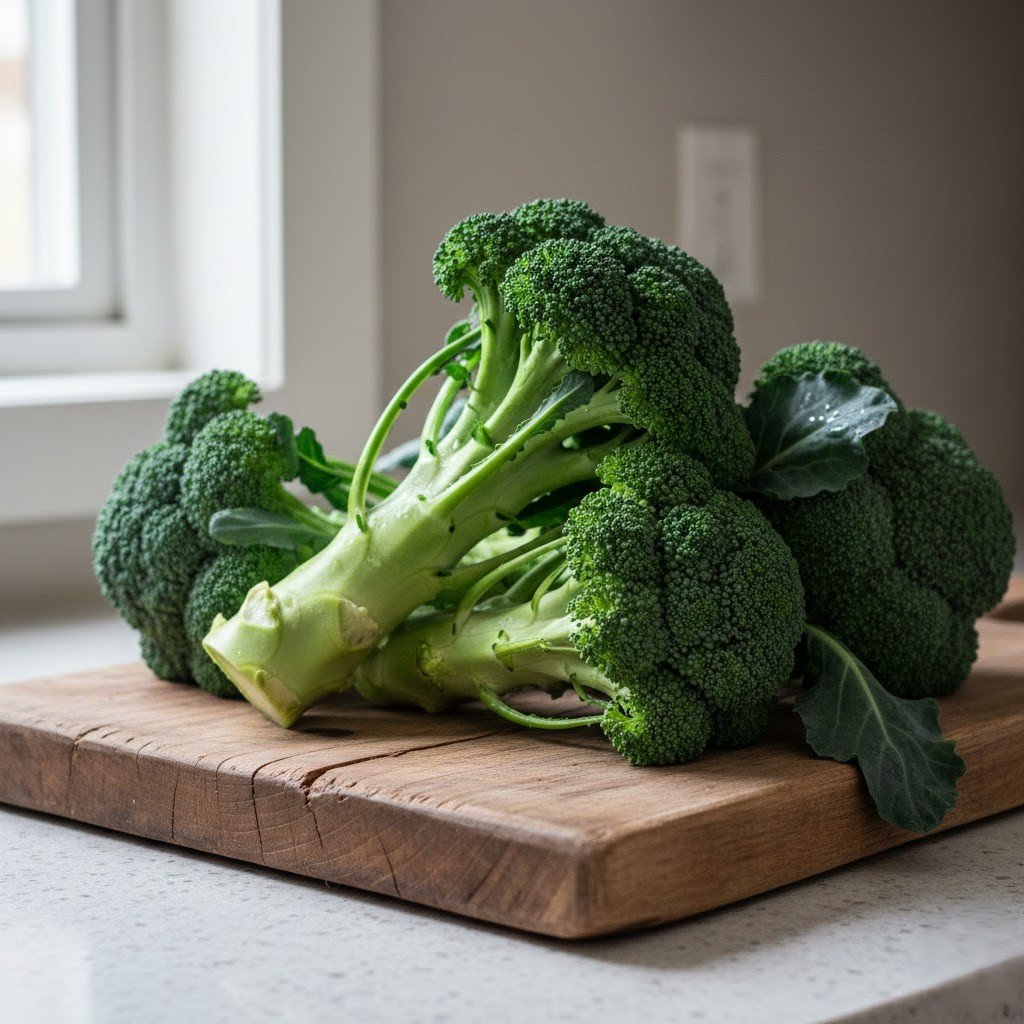
Fresh broccoli must be tough with tight florets and dark green in colour. Chefs confirm that broccoli gets old and ends up being tasteless and watery. Little intervention and better heat and seasoning response are characteristics of good produce.
Cut Evenly
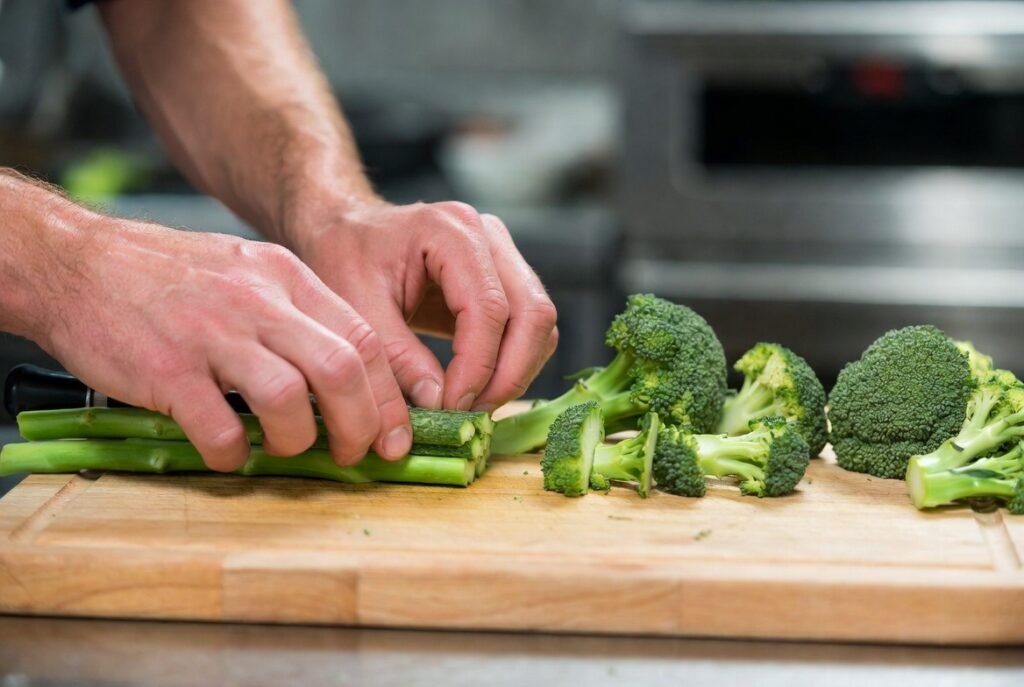
Identical portions are cooked equally. The big stems and the small florets combine to create unevenness. According to chefs, the best way to slice stems lengthwise is to maintain a similar size of florets so that they cook evenly.
Use High Heat

Broccoli thrives well in intense heat. It is cooked at high temperatures and does not get soggy as it retains colour. Fast cooking techniques that conserve flavour are preferred by chefs over slow cooking, which evaporates moisture.
Steam Briefly
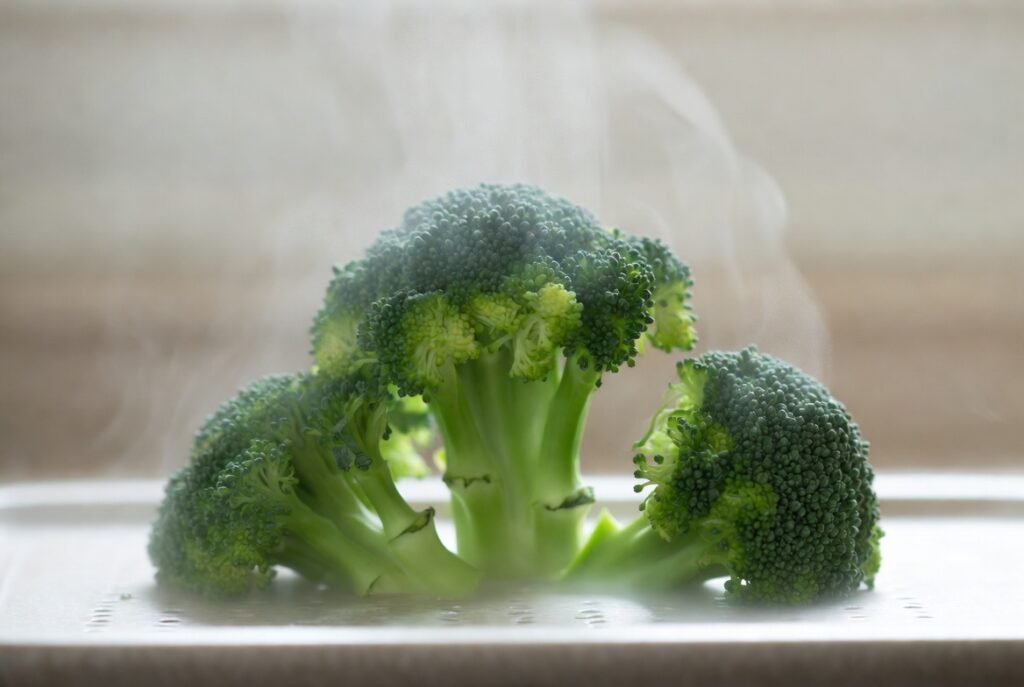
The common technique is light steaming. According to the chefs, broccoli can be steamed until it is slightly tender, and when it turns bright green. This is what makes it tender without going into softness.
Season After Cooking

The salt added prematurely may make the water dry. The chefs’ season is added right after cooking to ensure that the broccoli does not lose its structure as it takes in flavour. This makes the vegetable fresh and not limp.
Finish With Fat
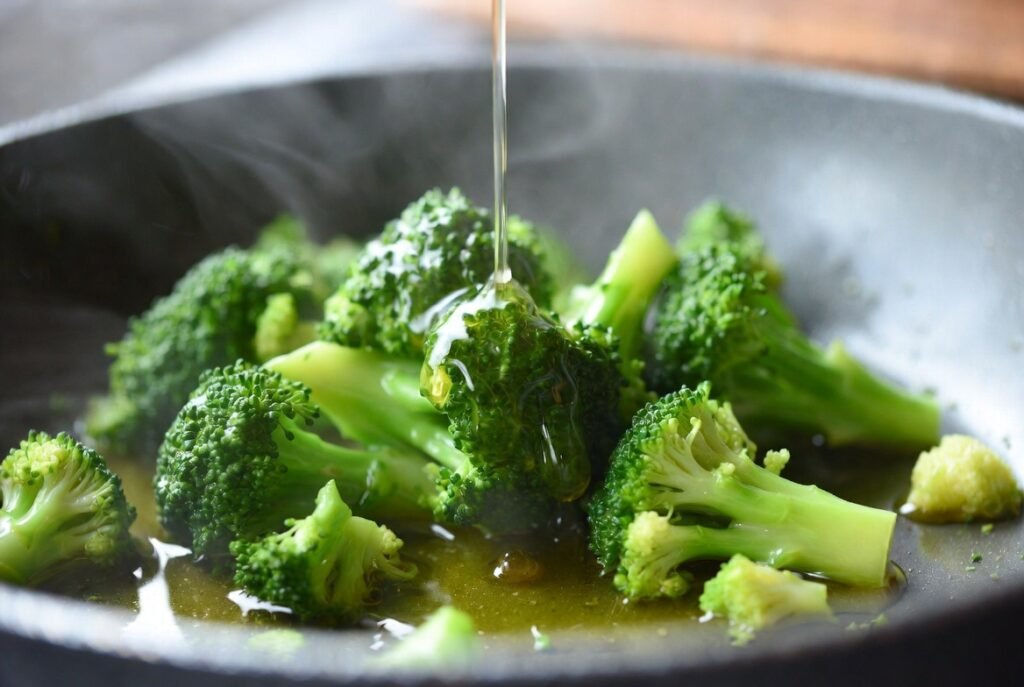
The taste is added with a little olive oil or butter towards the end. Chefs stress restraint here. The fat must be applied in a light way, giving support to the vegetable and not overwhelming it.
Respect the Stems
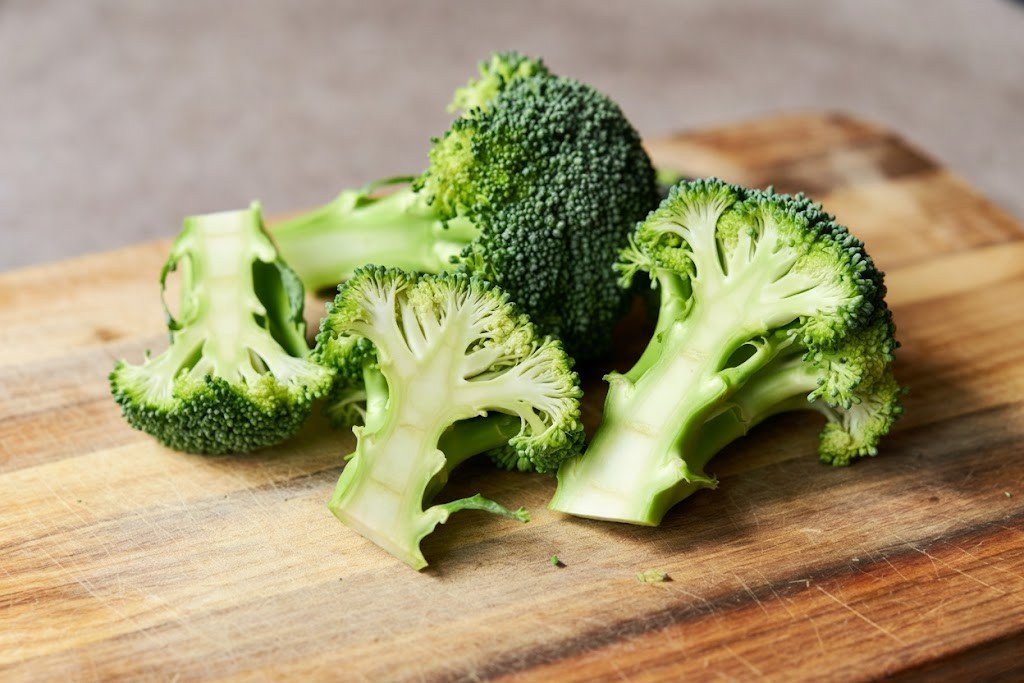
Stems are not scraps. On being peeled and cut, they are sweet and tender. They’re just as handy in chefs’ kitchens, offering texture and cutting waste during daily cooking.
Avoid Overcrowding
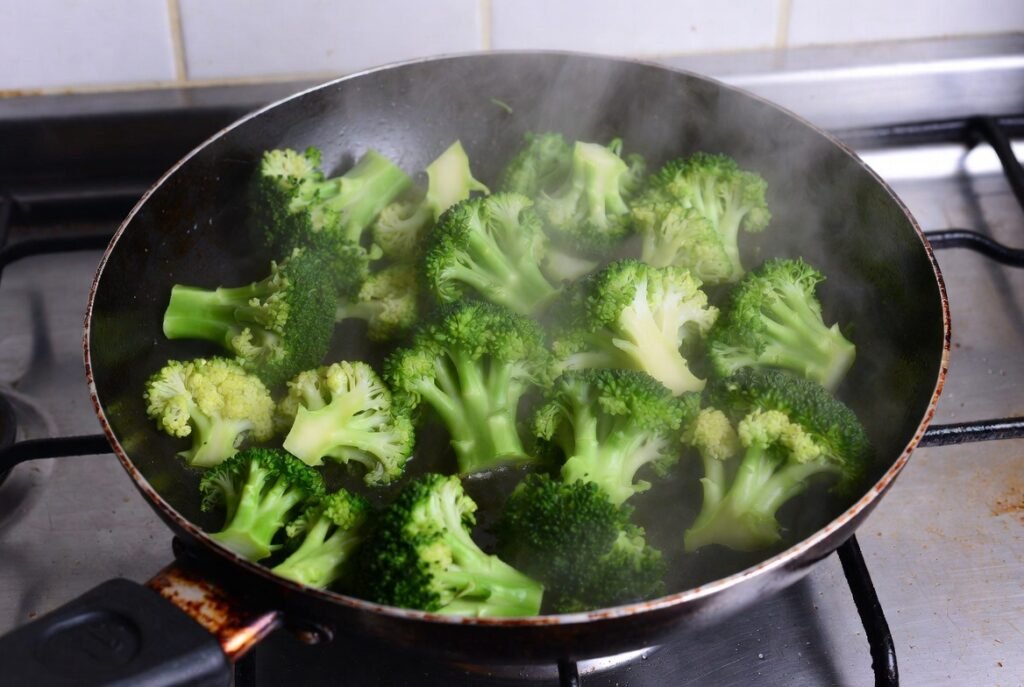
There’s no room for the steam to escape, and the pan gets overcrowded with inevitable, uneven cooking. One of the tips from chefs is to work in batches occasionally. Space enables the free flow of heat that keeps broccoli fresh and well-cooked.
Keep Timing Short
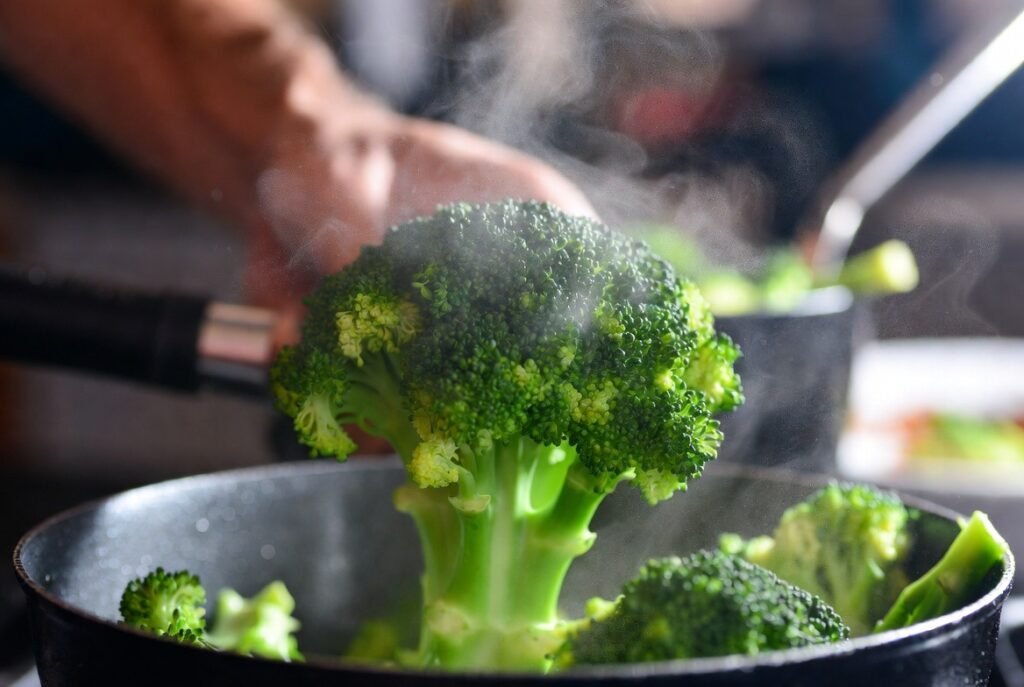
Most people would have expected broccoli to cook slowly. Chefs have a close eye on the clock and take it off once it turns tender. An extra minute is all that it takes to negate the attention paid.
Add Simple Acidity
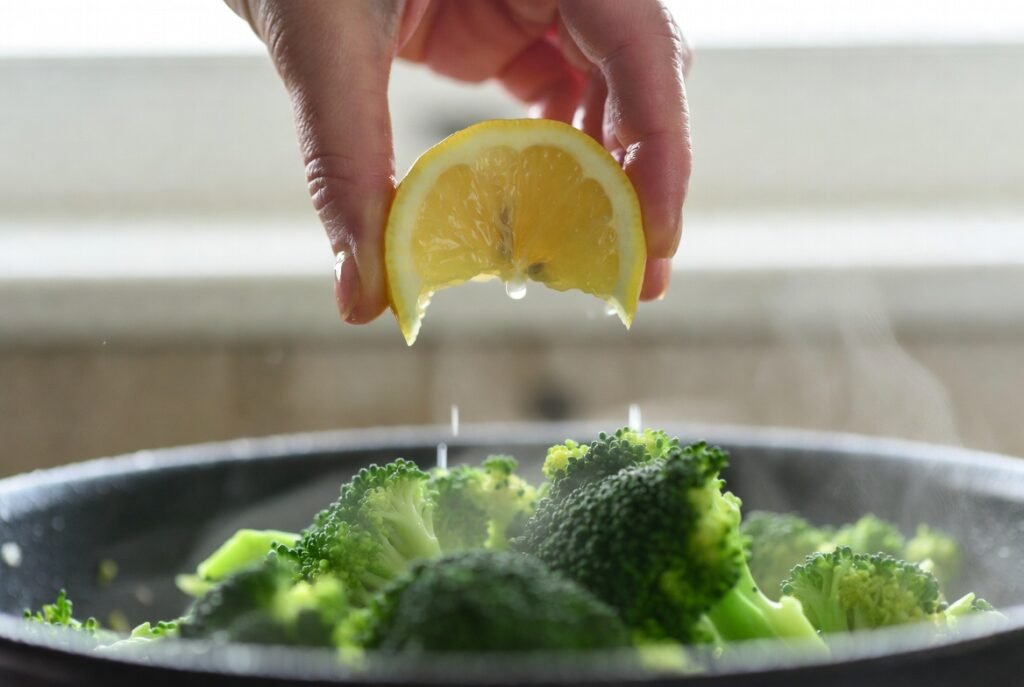
A squeeze of lemon or a splash of vinegar lightens the flavour. Chefs never really abused the acidity and only lightly used it to enhance flavour while not taking away from the vegetable base.
Serve Immediately
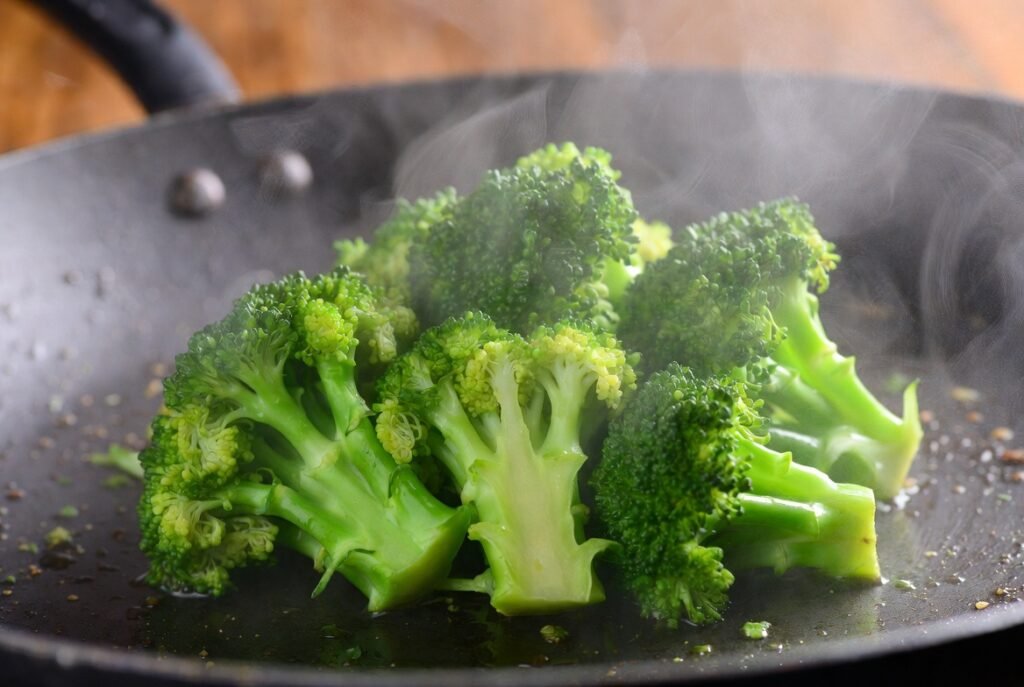
Sitting broccoli becomes unattractive. It is cooked by chefs right out of the pan or steamer. New heat maintains the texture, colour and flavour and the difference between mediocre and delightful.
