
Passport stamps have been traditionally little souvenirs of cross-border travel to many travelers. The stamp hitting on the page made the sound that used to be associated with the adventure and movement. Nevertheless, the global travel systems are evolving due to the development of technology. Airports and border services are becoming digital to enhance efficiency, security and record-keeping. The modification is indicative of a larger trend of going paperless, and the change in experience and documentation of travel history.
Emerging Electronic Travel Records

Most countries have adopted the use of digital entry/exit systems that automatically record the information about travelers. In certain places, these electronic records substitute the stamping process that had to be done manually. Secure databases allow border agencies to get travel history within a short period of time.
Biometric Passport Control
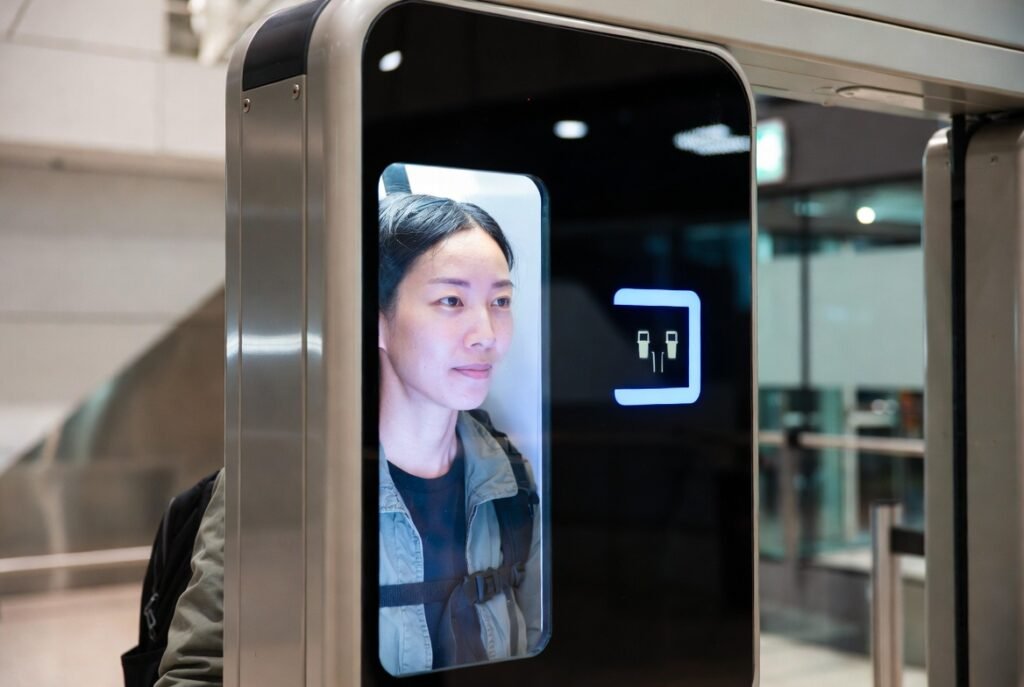
Increasingly, airports are using facial recognition and fingerprint scanning. These are identity verified systems that do not need to be physically stamped. Automated gates can check travelers in a short time and keep the information in the electronic form.
Faster Airport Processing
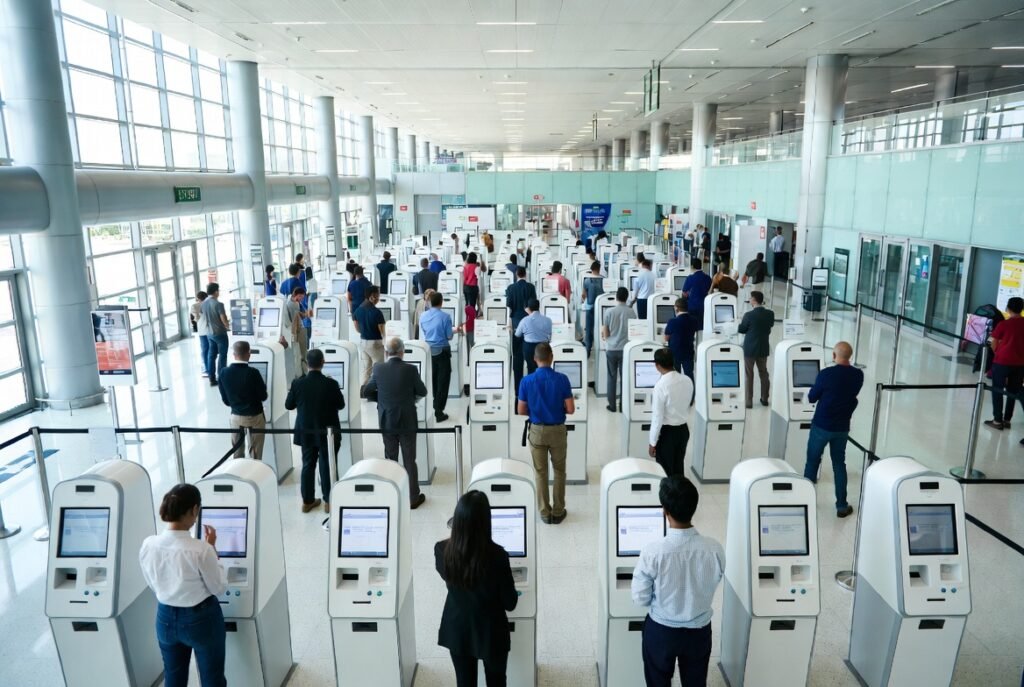
The digital systems are used to reduce queues at the immigration checkpoints. Pre-screening tools and automated kiosks provide greater efficiency in crossing borders by the travelers. Elimination of manual stamping processes accelerates the process.
Improved Data Accuracy

The electronic records eliminate errors which are likely to be made when recording by hand or stamping. Records are also recorded on digital logs where exact dates and places are kept and it could help in visa restrictions or travel records.
Environmental Considerations
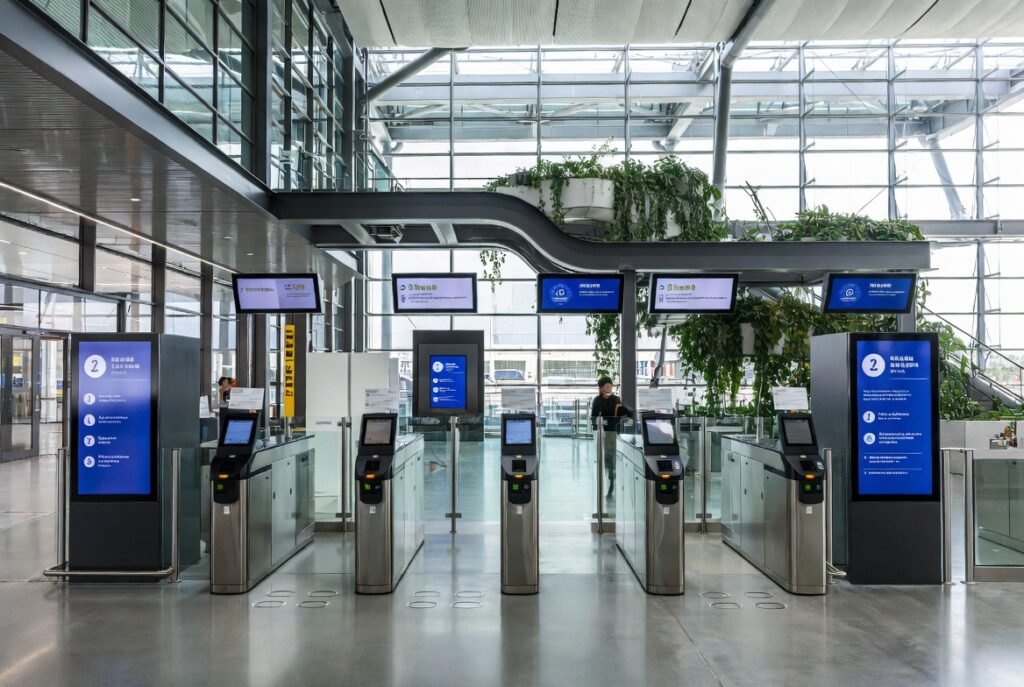
Eliminating paper forms and physical processing steps are in line with the larger sustainability objectives. The digital systems reduce use of printed materials and record keeping. These cuts are small individually but when they are summed up across millions of travelers they bring about more resource-efficient border operations.
Integration With E-Visas

The electronic visa systems are compatible with records of electronic entries. Travelers submit an online application, and it is approved, and it is attached to their passport. This form of integration lowers the physical stamping and paperwork.
Security Enhancements
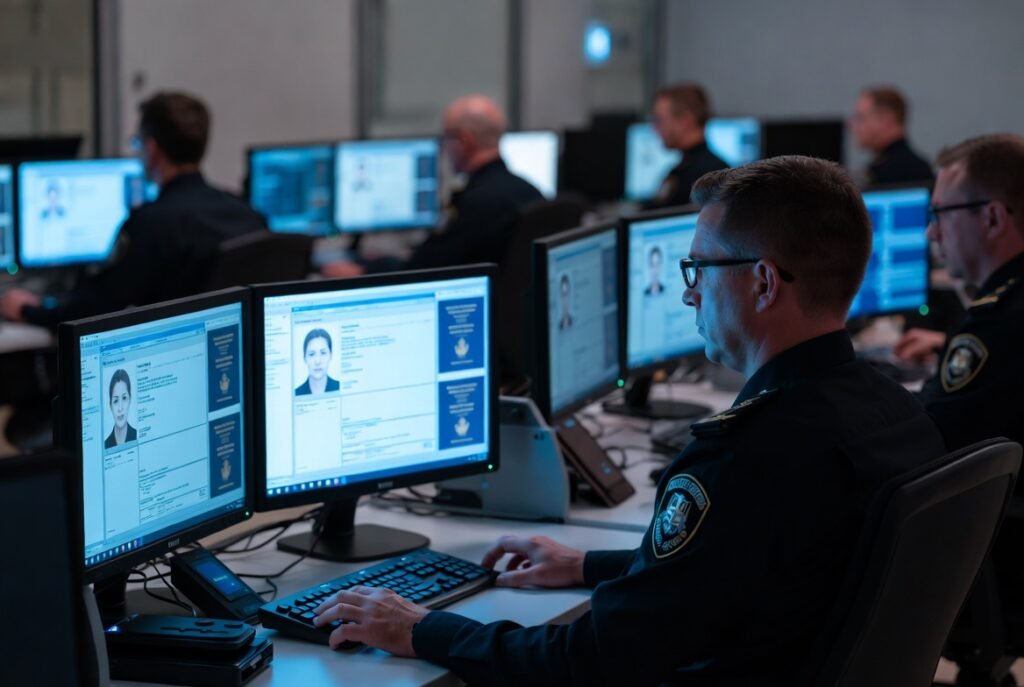
With digital tracking systems, anomalies are detected quicker than when it is done manually. The exchange of data among agencies in real-time assists in intensified surveillance. Technology ensures safety even though the necessity of visible stamps as evidence of entry is decreased.
Changing Travel Traditions

Although previously stamps were used as personal travelling souvenirs, the digital travel history is now an electronic store. A few of the travelers continue to appreciate the physical markings, yet the processes are changing to an official.
Regional Differences
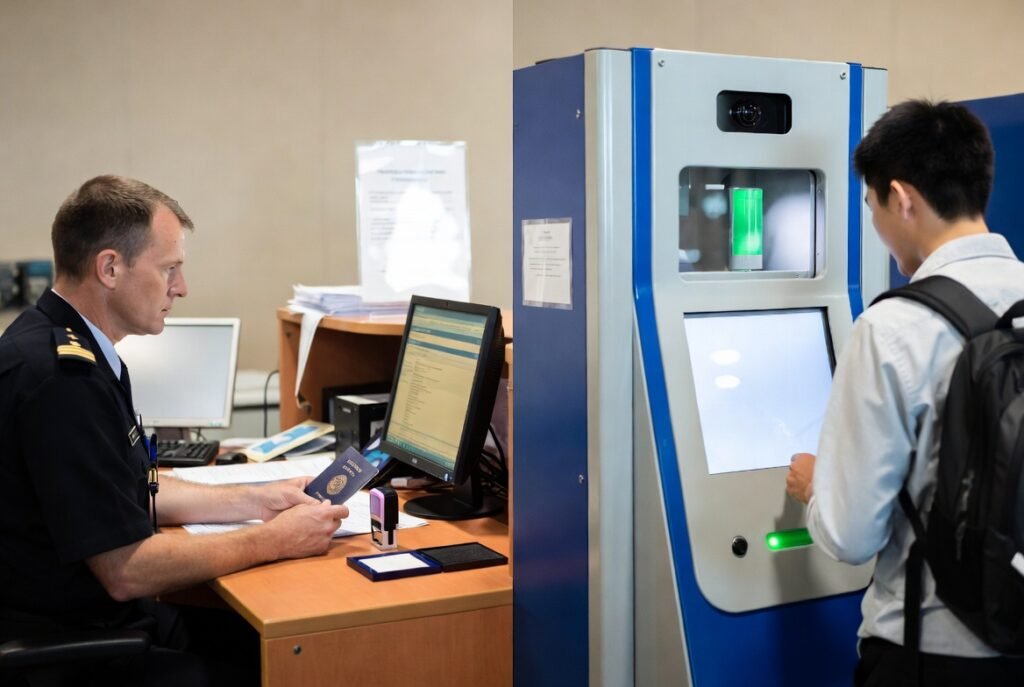
Digital systems have not been embraced equally in all countries. There are those who continue to use stamps on a weekly basis and there are those who hardly do so. Depending on the location and infrastructure, travelers can have a combination of the two approaches.
Future of Border Crossings

Fully digital border management might become increasing with the ongoing technological progress. Systems that are concerned with speed, accuracy, and security are defining the approach of countries to international movement.
